Introduction to Shishapangma Shishapangma, standing at an impressive height of 8,027 meters (26,335 feet), is recognized as the 14th highest mountain in the world. Located within the majestic Himalayas, it holds a unique distinction as the only 8,000-meter peak that is entirely situated within the borders of Tibet. This mountain not only boasts a significant...Read More
Introduction to Bomi: A Gem in Tibet Situated in southeastern Tibet, Bomi is a hidden gem that captures the essence of natural beauty and cultural richness. Nestled at the convergence of the majestic Nyenchen Tanglha and Himalaya mountain ranges, this captivating town is often referred to as the ‘Swiss Alps of Tibet’ due to its...Read More
Introduction Trisong Detsen, the 38th monarch of the Tibetan Empire, played a crucial role in unifying Tibet and advancing Tibetan Buddhism. His reign is remembered for significant contributions to the spread of Buddhist teachings, the establishment of monasteries, and the transformation of Tibetan society into a Buddhist kingdom. However, historical discrepancies in Chinese records have...Read More
The Origins of Millet Cultivation in Asia The historical beginnings of millet cultivation in Asia can be traced back to the fertile regions surrounding the Yellow River Valley in China, where archaeological findings indicate that this essential grain has been cultivated for approximately 10,000 years. Millet, particularly foxtail millet and broomcorn millet, emerged as a...Read More
Introduction to the Epic of King Gesar The Epic of King Gesar is a monumental work in the realm of Tibetan literature, holding a place of profound importance within its rich cultural heritage. As one of the longest epic poems in the world, it has captivated audiences for centuries with its enthralling narratives and vivid...Read More
Historical Context: The Era of King Songtsen Gampo The 7th century was a transformative period in the history of Tibet, predominantly marked by the reign of King Songtsen Gampo. This era established a significant political and cultural framework for the region, as Songtsen Gampo undertook ambitious initiatives aimed at unifying Tibet under a singular rule....Read More
The Birth of Polo in Central Asia The origins of polo can be traced back to Central Asia, specifically around the 6th century BCE. During this period, the region was characterized by a rich tapestry of cultures and societies that fostered the development of various forms of entertainment and sport. Polo emerged as a demonstration...Read More
Buddhism is a profound spiritual tradition with roots that reach deep into the history of human civilization. Among its many practices, the act of prostration stands out as a deeply symbolic and physically engaging ritual. On the roads to Lhasa—one of the most revered holy cities in Tibetan Buddhism—devotees undertake long, arduous pilgrimages that are...Read More
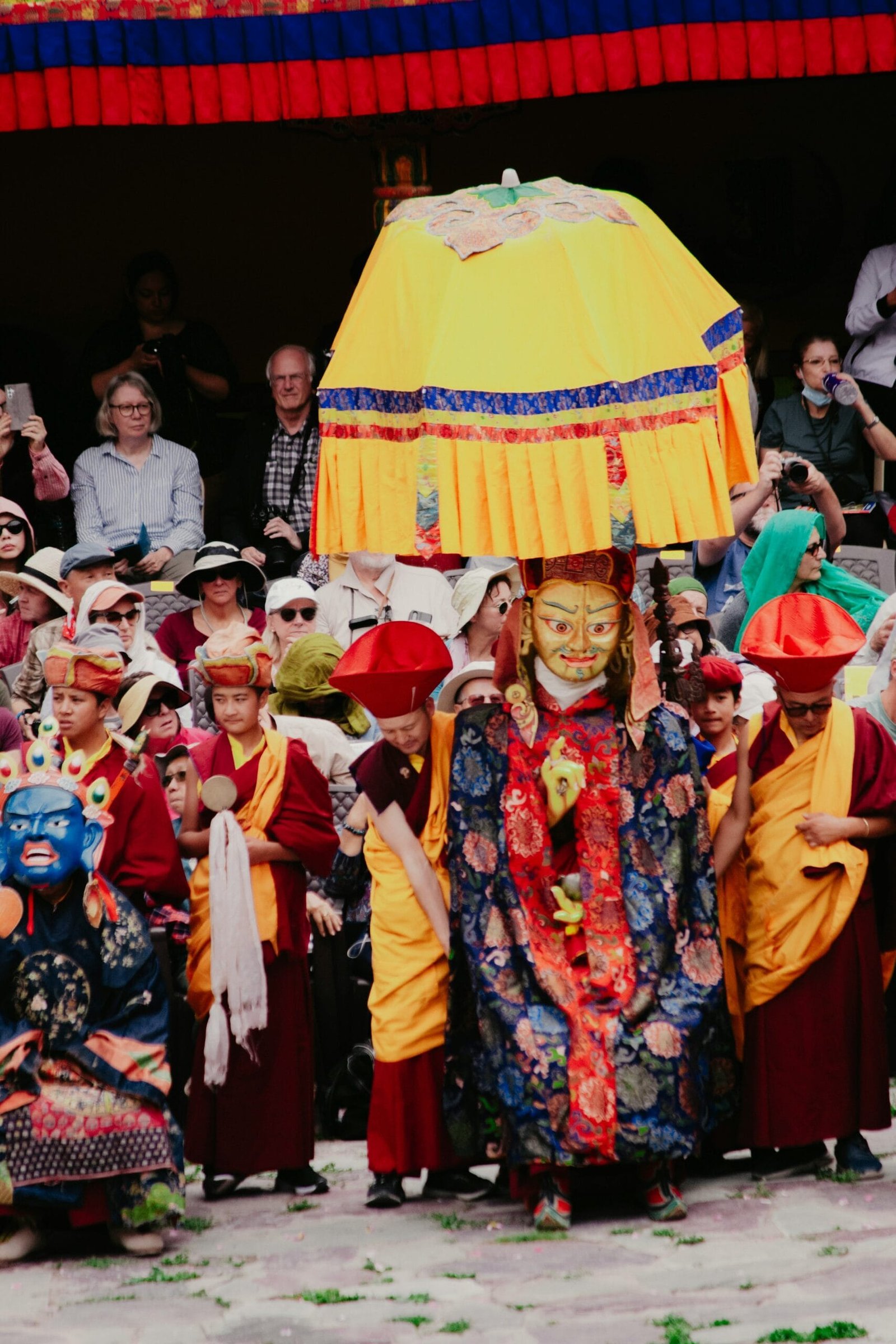
Introduction to Guru Rinpoche Guru Rinpoche, also revered as Padmasambhava, holds a pivotal position in the realm of Tibetan Buddhism. Recognized as the “Second Buddha,” his teachings and contributions have profoundly influenced the spiritual evolution of the region. His life and actions established the foundations for the dissemination of Buddhism throughout Tibet, making him a...Read More
Introduction to Samye Monastery Samye Monastery, widely recognized as the first Buddhist monastery in Tibet, holds a pivotal role in the historical and spiritual landscape of the region. Established in the late 8th century during the reign of King Trisong Detsen, the monastery was founded around 775 CE in the Yarlung Valley, near the banks...Read More