Introduction to Tibetan Livestock The significance of livestock in Tibetan culture and agriculture cannot be overstated. In the high-altitude environment of Tibet, where the landscape is characterized by vast grasslands and rugged terrain, pastoralism serves as the backbone of the local economy. Animal husbandry is not only a means of sustenance but also an intrinsic...Read More
Introduction to Tibetan Pastoral Life The pastoral lifestyle in Tibet presents a unique cultural framework shaped significantly by the geographical features and climatic conditions of the region. At elevations often exceeding 4,000 meters, the Tibetan Plateau is home to a resilient population whose daily lives are intricately woven with livestock. The significance of animals in...Read More
The Significance of Tibet’s Railway Network The railway network in Tibet represents a crucial advancement in infrastructure that has fundamentally transformed the region’s connectivity and accessibility. For many years, Tibet was characterized by its geographical isolation, which posed significant challenges for both its residents and potential visitors. The introduction of railway services has bridged this...Read More
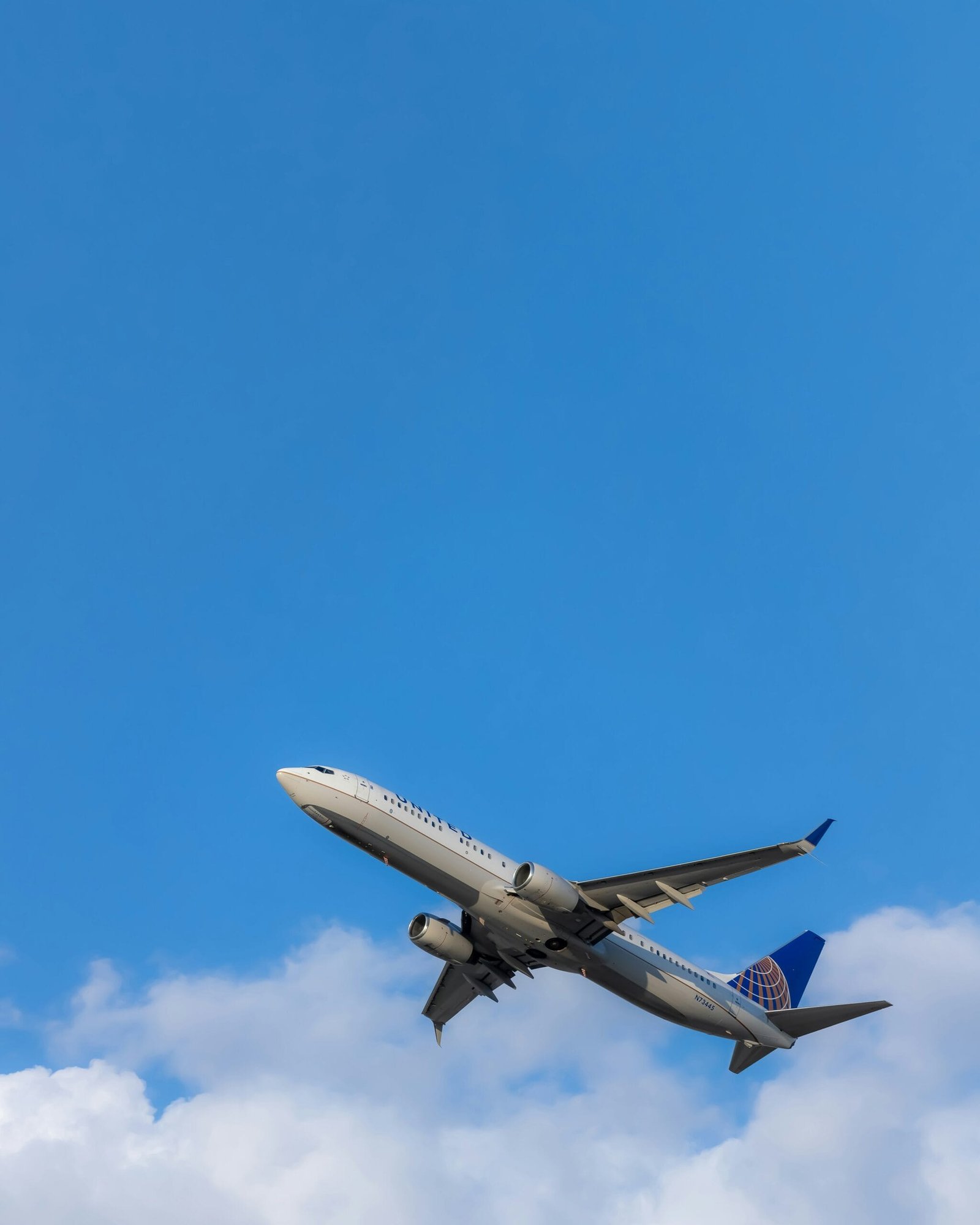
Operational Airports in Tibet Tibet, known for its breathtaking landscapes and unique culture, is served by eight operational airports that play a pivotal role in enhancing air travel within the region. The principal airport is Lhasa Gonggar International Airport, located just 64 kilometers southeast of Lhasa, the administrative capital of Tibet. Opened in 1965, this...Read More
Historical Context: Pre-1950s Transport in Tibet Before the 1950s, the transport system in Tibet was characterized by its reliance on traditional methods that had evolved over centuries, given the challenging geography and harsh climate of the region. The rugged terrains, including mountains, high plateaus, and deep valleys, necessitated a mode of transport that suited the...Read More
Introduction to Tibet’s Geography Tibet, often recognized for its majestic landscapes and profound cultural heritage, is situated on the Qinghai-Tibet Plateau, which is renowned for being the highest and one of the largest plateaus in the world. This region, characterized by its vast expanse, boasts an average elevation of over 4,500 meters (14,800 feet) above...Read More
Understanding Tibet’s Unique Climate Tibet, known as the “Roof of the World,” is characterized by its remarkable high-altitude environment, which plays a pivotal role in shaping its climate. The region’s elevation, averaging over 4,500 meters above sea level, results in a range of distinctive climatic conditions that differ significantly from those of lower altitude areas....Read More
Introduction to Han-Tibetan Interactions The interactions between Han Chinese and Tibetan peoples have played a significant role in shaping the cultural, political, and social landscapes of East Asia. The historical ties between these two distinct yet interconnected civilizations can be traced back to ancient times, particularly from the Qin-Han to the Tang era. During this...Read More
Introduction to the Tibetan Empire The Tibetan Empire, established during the Tubo Dynasty, represents a pivotal era in Tibetan history marked by territorial expansion and administrative consolidation. Spanning from the 7th to the 9th centuries, the empire emerged under the leadership of the Yarlung kings, particularly King Songtsen Gampo, who is recognized as a foundational...Read More
Introduction: The Role of Place Names in Tibetan History Place names, or toponyms, serve as more than mere geographical markers; they are integral to the cultural and historical identity of a region. In the context of the Tibetan Empire, which thrived from the 7th to the 9th centuries, place names provide valuable insights into the...Read More