Background of Lhasang Khan Lhasang Khan emerged from a distinguished lineage that traced its roots back to Gushri Khan, a pivotal figure in Tibetan history. Gushri Khan, the leader of the Khoshut Mongols, significantly influenced Tibet’s political landscape during the 17th century. His victory over the rival factions and the previous ruling powers helped establish...Read More
Early Life and Education Ngawang Tsultrim was born in 1721 in Tibet, during a period characterized by the encroaching influence of the Qing dynasty over the region. This historical backdrop played a significant role in shaping his early life and future endeavors. From his infancy, he was recognized as an incarnate lama, a status that...Read More
Introduction: Understanding Tibetan Official Seals Tibetan official seals stand as pivotal artifacts that encapsulate the complex intertwining of governmental authority and religious significance within Tibetan culture. Historically, these seals have served not just as instruments of bureaucratic function, but also as powerful symbols of the spiritual and administrative legitimacy of governance in Tibet. Their origins...Read More
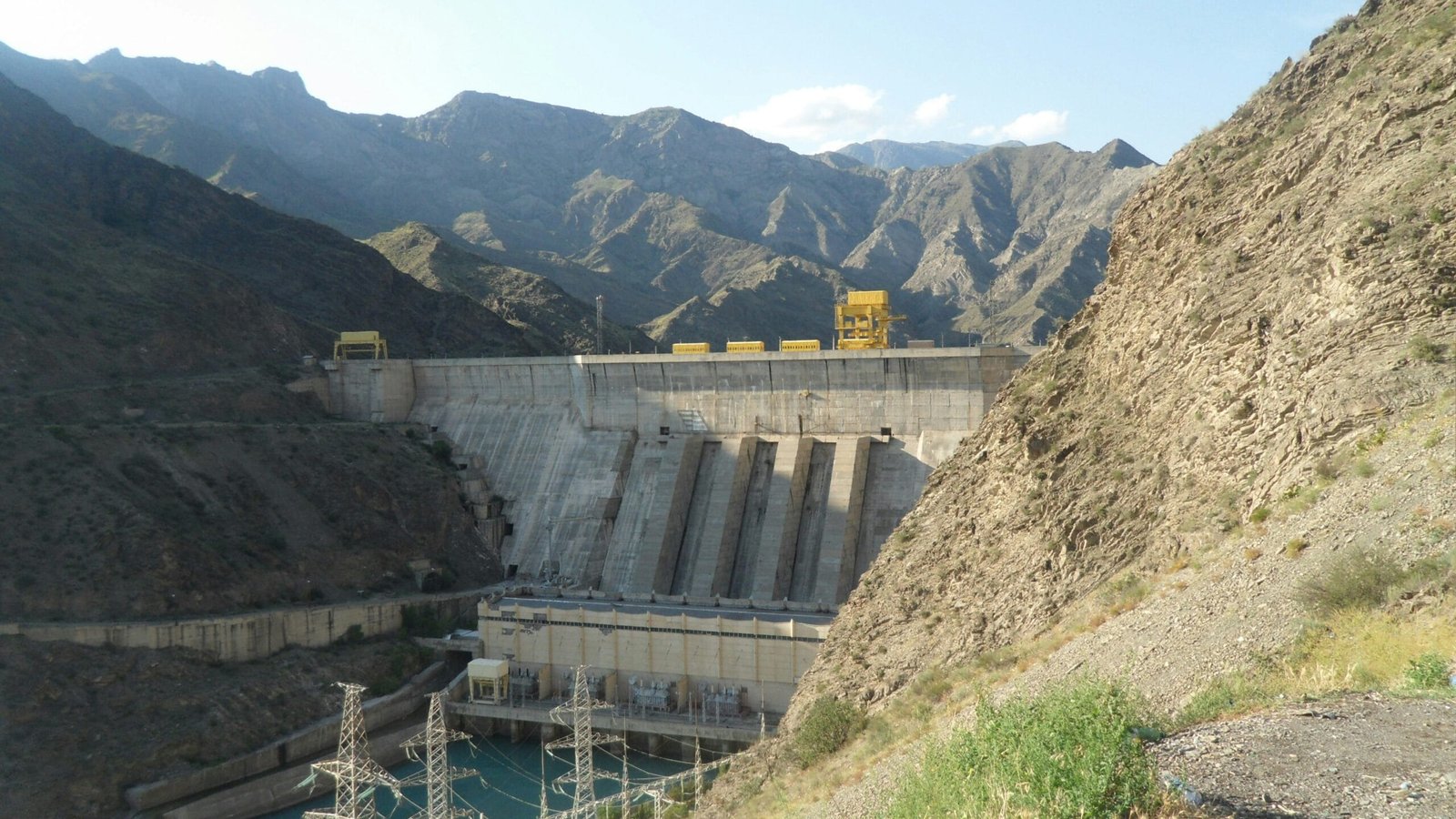
Leadership and Vision Behind the Project The development of the Dokde Hydroelectric Power Plant represents a collaborative effort marked by the leadership and vision of various Tibetan leaders and British experts, whose combined efforts significantly contributed to this landmark project. Central to the initiative were key figures such as Ringang Rinzin Dorje, Kibuwa Wangdu Norbu,...Read More
Introduction to Flying to Tibet Tibet, often referred to as the “Roof of the World,” is renowned for its stunning landscapes, which feature majestic mountains, vast plateaus, and serene lakes. This region, which is home to the iconic Mount Everest, offers travelers breathtaking vistas that have captivated adventurers and seekers of tranquility alike. Beyond its...Read More
Introduction to Labor Songs in Tibetan Culture Labor songs hold a significant place in Tibetan culture, reflecting the profound relationship between the community and the natural environment. These songs are traditionally sung during collective work, such as farming, herding, and various communal activities, fostering a spirit of cooperation and motivation among workers. The melodic elements...Read More
Introduction to Tibetan Medicinal Herbs Tibetan medicinal herbs have a long-standing tradition deeply rooted in the region’s unique culture and environment. This practice reflects the harmonious relationship that the Tibetan people maintain with their natural surroundings, utilizing the extraordinary flora found in the high-altitude ecosystems of the Himalayas and Tibetan Plateau. Among the diverse range...Read More
The Culinary Landscape of Tibet Tibet, known for its breathtaking landscapes and high-altitude terrains, is home to a distinctive culinary scene that mirrors its geographical and climatic conditions. Situated on the Tibetan Plateau, at an elevation exceeding 4,000 meters, the region presents unique challenges when it comes to food production. The harsh, cold winters and...Read More
The Impact of Climate on Agriculture in Tibet The unique geographical and climatic conditions of Tibet present significant challenges to agricultural practices. Situated at a high altitude, often exceeding 3,500 meters above sea level, Tibet experiences extreme cold temperatures, which can hinder the growth of many traditional crops. The short growing season, limited to a...Read More
Introduction to Grains in Tibet Tibet, with its distinctive geography and challenging climate, has cultivated a rich agricultural heritage that prominently features various grains. Among the most significant grains grown in the region, barley, wheat, and rice stand out as staples that have shaped the culinary landscape of Tibetan society. The topography of Tibet is...Read More