The Ultimate Guide to Mount K2: Conqueror of the Savage Mountain
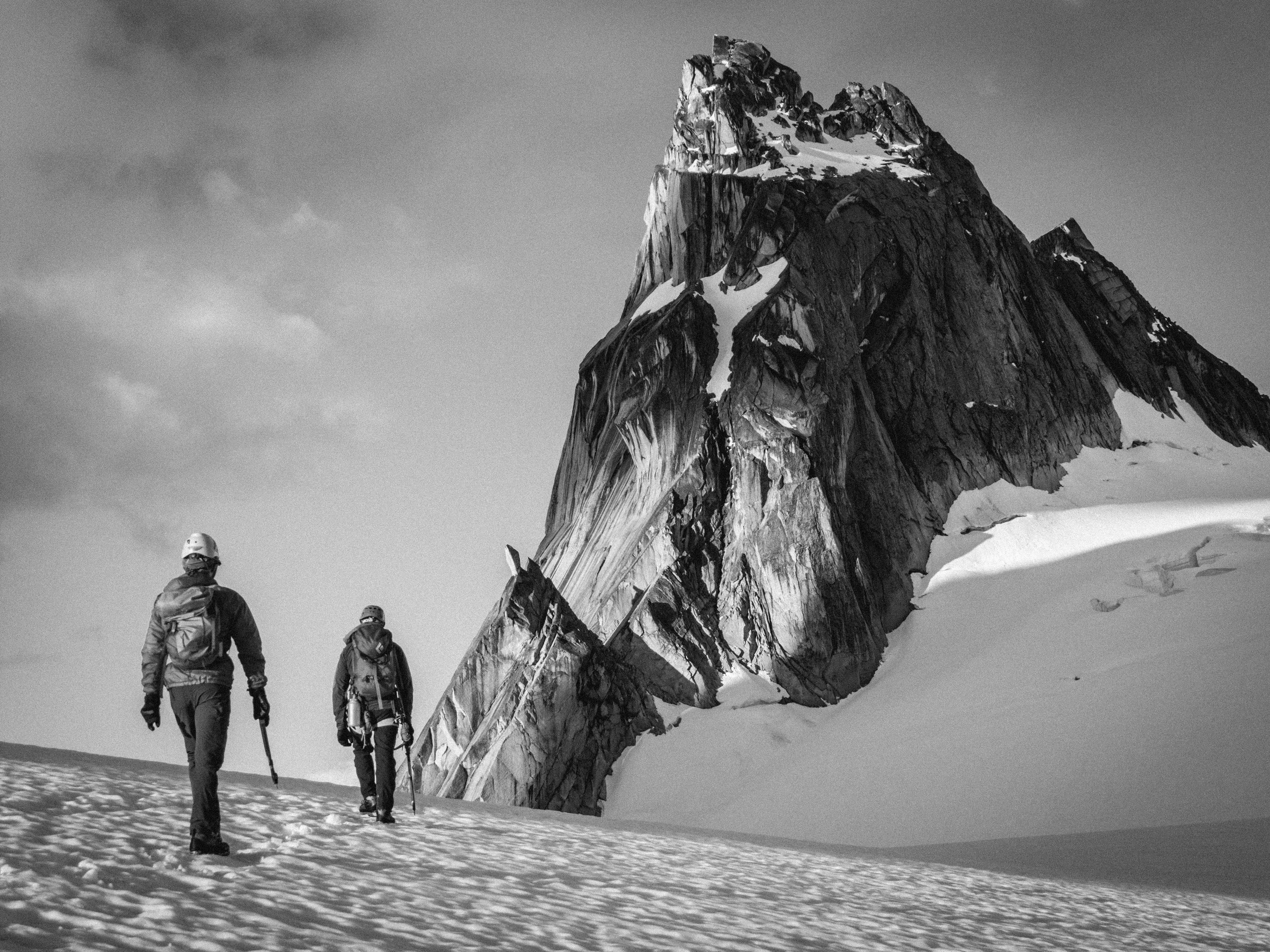
Introduction to Mount K2 Mount K2, (乔戈里) standing at an impressive height of 8,611 meters (28,251 feet), is renowned as the second-highest mountain in the world, following Mount Everest. Commonly referred to as Mount…

Exploring the Majestic Mount Everest: The Roof of the World
Introduction to Mount Everest Mount Everest, famously recognized as the highest mountain on Earth, holds significant cultural and geographical importance, referred to as Sagarmatha in Nepal and Qomolangma in Tibet. Standing at an impressive…

The Lifeblood of Asia: Rivers Originating in Tibet
Introduction to Tibetan Rivers The landscape of Tibet is characterized by its towering mountains and vast plateaus, making it a unique geographic region that serves as a crucial watershed for many of Asia’s most…
The Karnali River: Origin and Significance in the Ganges River System
The Origin of the Karnali River The Karnali River, an essential tributary within the Ganges river system, finds its origins in a region renowned for its spiritual and geographical significance. Awash with cultural heritage,…

Exploring Yamdrok Lake: The Turquoise Jewel of the Tibetan Plateau
Location and Geography of Yamdrok Lake Yamdrok Lake, one of the most breathtaking natural wonders of the Tibetan Plateau, is situated in the Shannan Prefecture of Tibet, approximately 70 kilometers (43 miles) southwest of…

Exploring the Interconnected Schools of Tibetan Buddhism
Foundational Principles in Tibetan Buddhism Tibetan Buddhism, with its rich tapestry of teachings and traditions, is underpinned by essential Buddhist principles that are foundational across all its schools. At the heart of these principles…