1917 Armed Conflict Along the Sino-Tibetan Border
The armed conflict between Chinese and Tibetan forces erupted once again along the de facto Sino-Tibetan border established in 1912, as tensions escalated in the Riwoche (Leiwuch’i) region, located 40 miles from Chamdo. Although…

Dolma Nangtso River: A Sacred and Ecologically Vital Waterway in Tibet
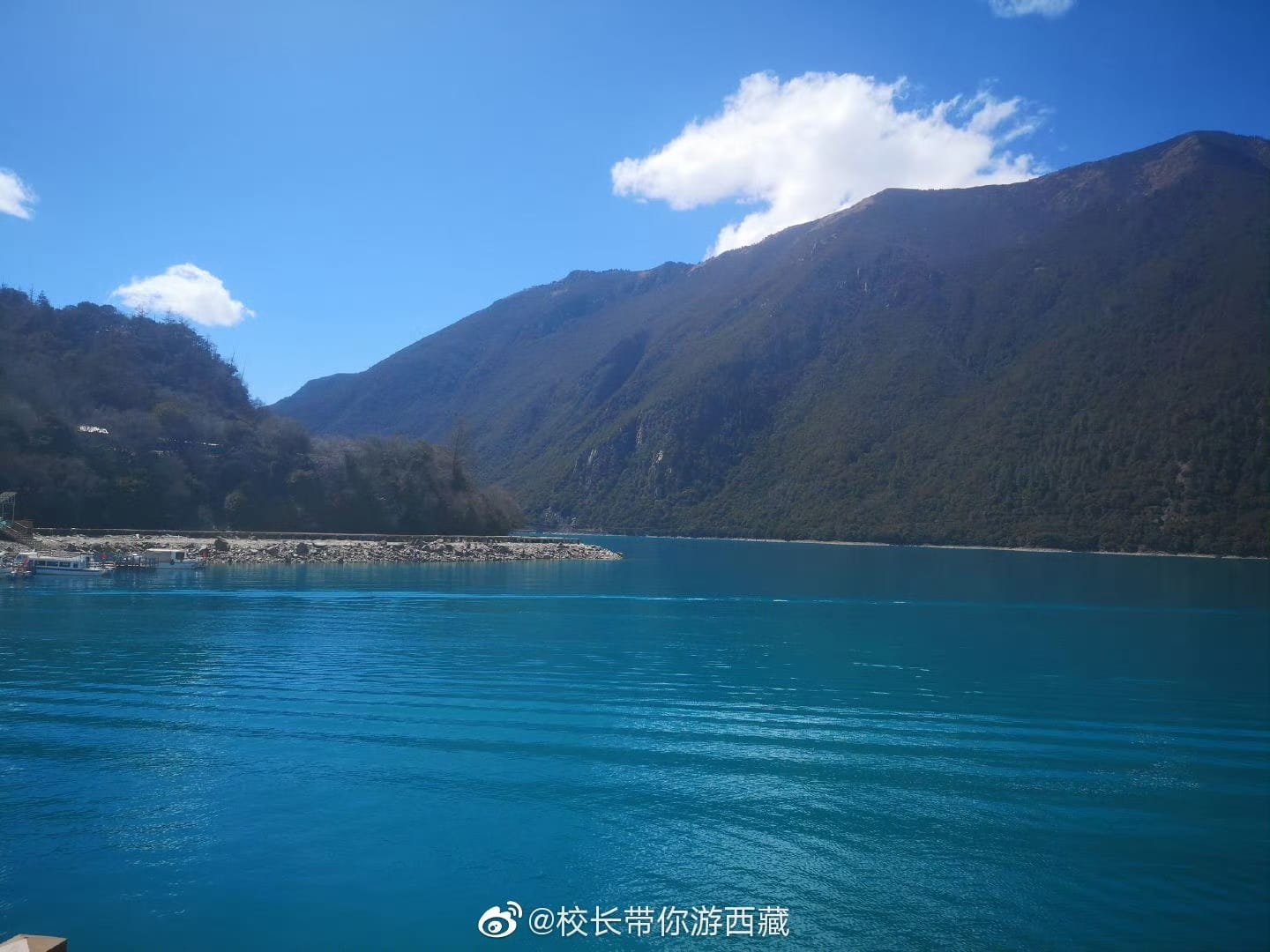
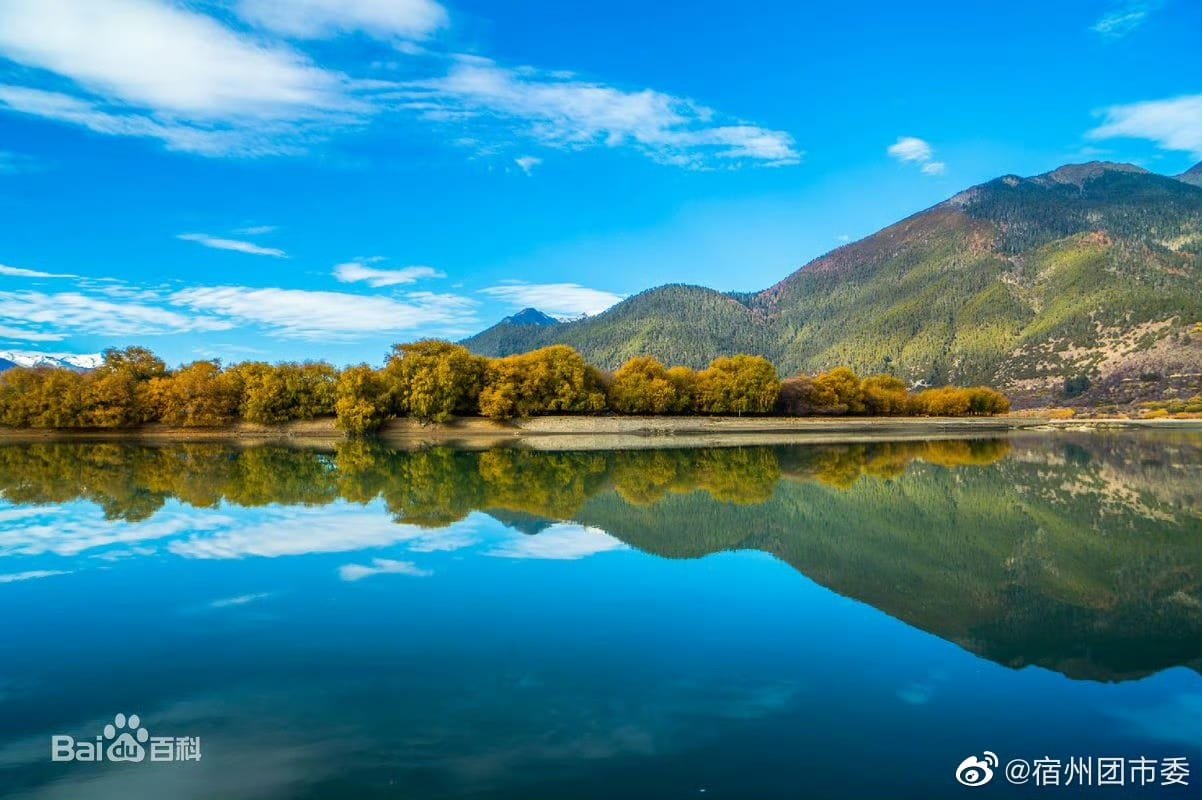
The Dolma Nangtso River (卓玛朗措曲), meaning “Mother Tara’s Superior Lake River,” is a sacred waterway flowing through Lhorong County, Tibet, west of the county seat. As a tributary of the Gyalmo Ngulchu (Salween River),…

Yangchu River: The “Stone Slab River” of Dingqing
Introduction to Yangchu River: A Lifeline of Tibetan Nomadic Culture The Yangchu River (羊曲), also known as “Yangmu Yong” (羊木涌), meaning “Stone Slab River,” is a crucial waterway originating in Dingqing County (སྟེང་ཆེན་རྫོང), Tibet.…
Tachu River (Daqu) – The Lifeline of Dingqing, Tibet
Introduction to Tachu River The Tachu River (Daqu, 打曲, རྟ་ཆུ་), also known as the “Horse River,” flows through Dingqing County (丁青县, སྟེང་ཆེན་རྫོང་།) in eastern Tibet, playing a vital role in the region’s pastoral economy…

The Nujiang River: Tibet’s Second Largest Waterway
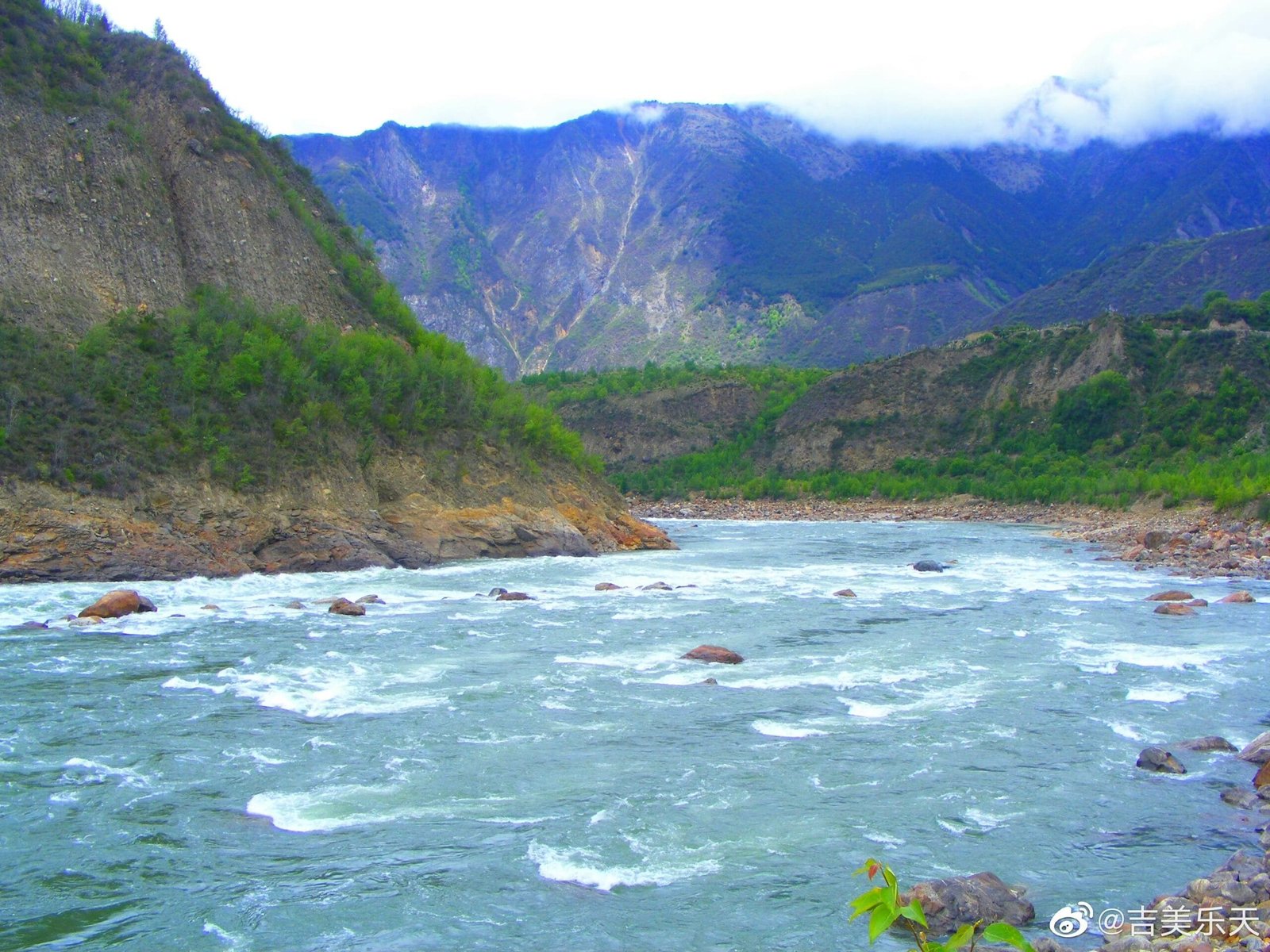
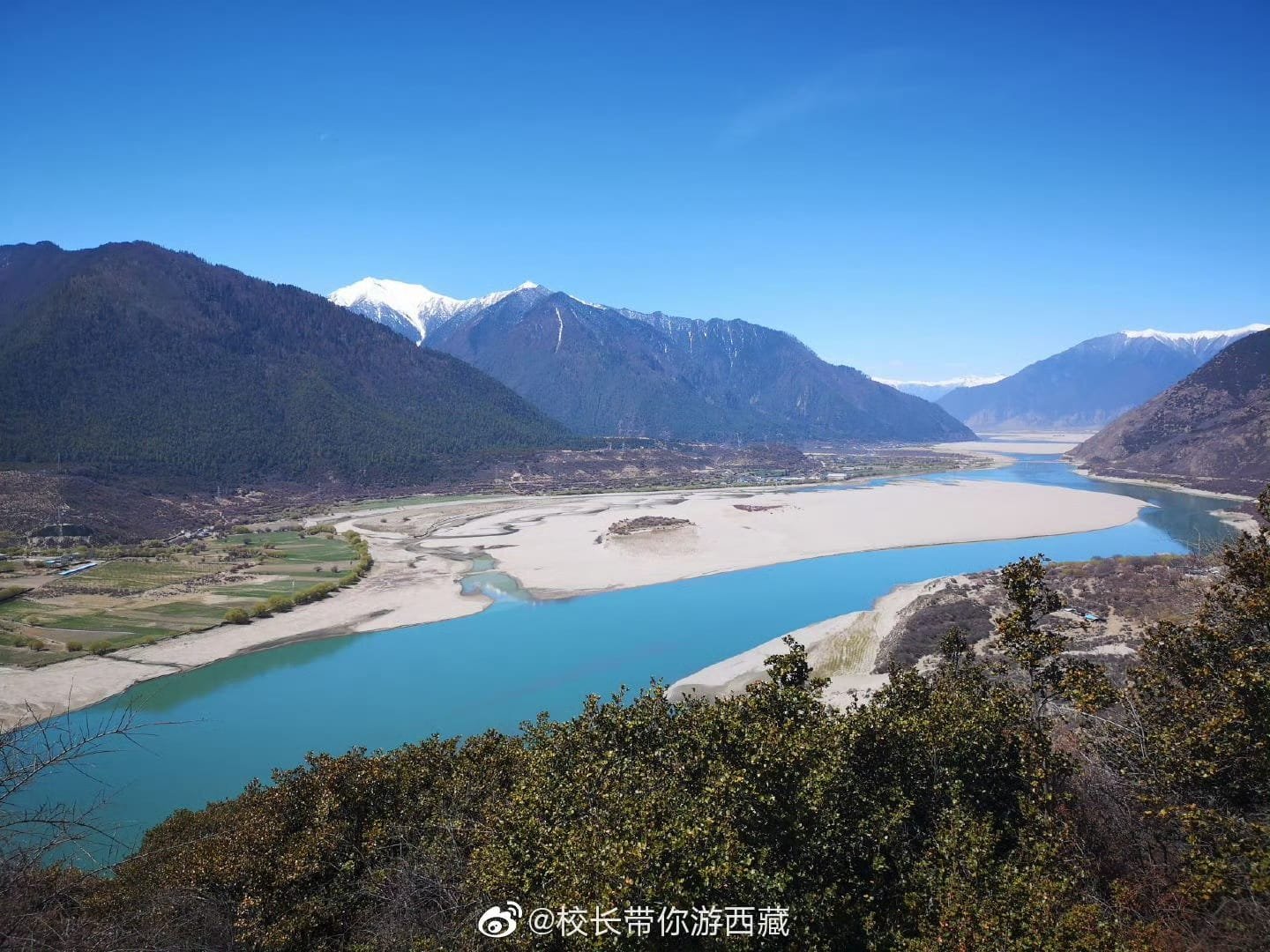
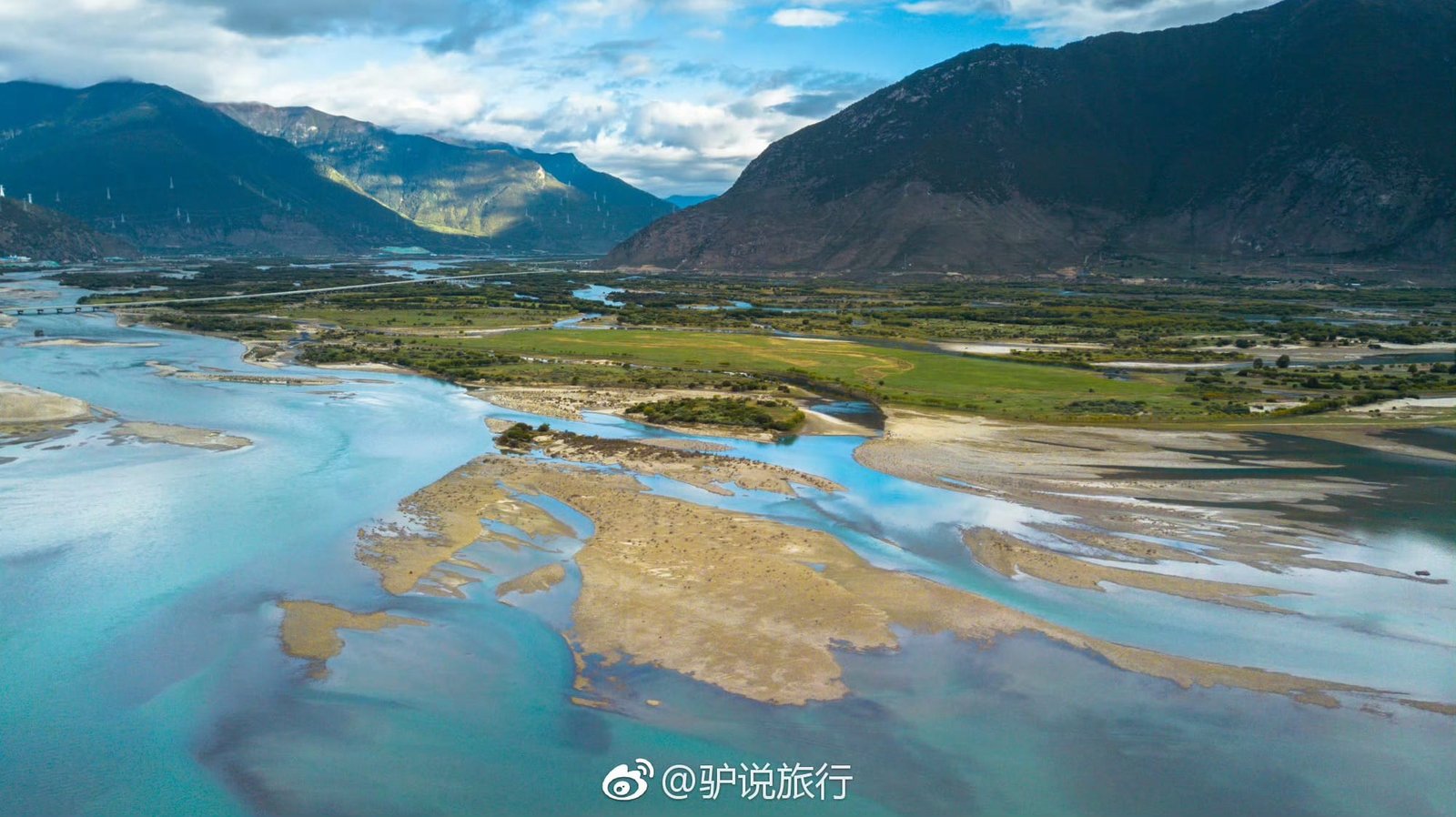
Introduction to the Nujiang River The Nujiang River (怒江), also known as Gyalmo Ngulchu (རྒྱལ་མོ་རྔུལ་ཆུ།) in Standard Tibetan, is one of the most significant rivers in Tibet and southwestern China. As Tibet’s second-largest river,…

Exploring the Yuchu River (Yuqu): Tibe Shining River way Treasure
Introduction to the Yuchu River (Yuqu) The Yuchu River (玉曲), གཡུ་ཆུ། also known as Yuqu, translates to “Shining River” in Tibetan. Flowing through Zogang County in Tibet’s Chamdo region, this pristine waterway plays a…