Exploring the Linguistic Diversity of Buddhist Resources
Introduction to Buddhist Languages The significance of language in Buddhism extends beyond mere communication; it plays a pivotal role in preserving and disseminating the teachings attributed to the Buddha. Since its inception, Buddhism has…
The Tibetan Empire in the 8th Century: A Historical Overview
The Rise of the Tibetan Empire The 8th century marked a transformative period for Tibet, ushering in the rise of the Tibetan Empire, which became a significant power in Central Asia. The empire’s origins…
Exploring Historical and Cultural Relations Between Tibet and Vietnam
The Influence of Buddhism: A Common Thread Buddhism serves as a significant thread intertwining the cultural and spiritual landscapes of both Tibet and Vietnam. The development of Vietnamese Buddhism is deeply rooted in the…
Historical References to Vietnam in Classical Tibetan Texts
Understanding the Historical Context In classical Tibetan texts, the name of Vietnam is not widely recognized as it lacks a specific designation. Rather, it is likely referred to using broader regional terminology. Various terms…
Exploring Historical References to Thailand in Classical Tibetan Texts
The Name “Siam” in Tibetan Literature In classical Tibetan texts, Thailand is often referred to as “Siam” (སི་ཡམ་, si-yam). This designation traces back to the historical kingdom of Siam, a term used by various…
Exploring the Historical Significance of Indonesia in Tibetan Buddhist Texts
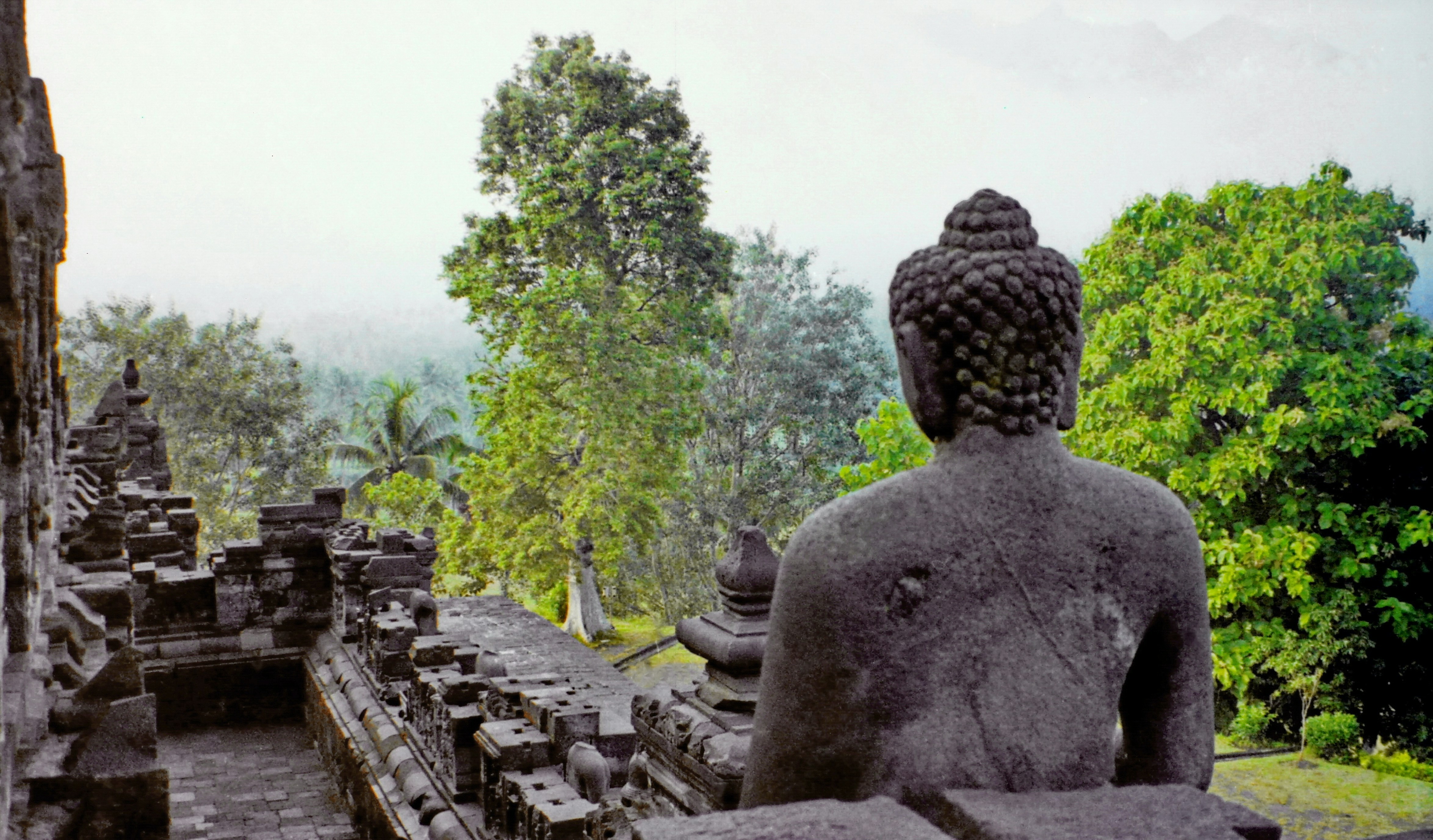
Indonesia: The Island of Clarity In classical Tibetan texts, Indonesia is often referred to as dvangs ba’i gling (དབངས་བའི་གླིང་), translating to the island of clarity or the pure land island. This designation highlights Indonesia’s…