The Tibetan Wolf: A Glimpse into the Life of the Himalayan Wolf
Introduction to the Tibetan Wolf The Tibetan wolf, scientifically recognized as Canis lupus chanco, is classified as a subspecies of the gray wolf, which is known for its adaptability and resilience in various ecosystems.…

Adaptations of Spiders in High-Altitude Environments: The Mystery of Snow Spiders
Introduction to Spiders at High Altitudes Spiders demonstrate remarkable adaptability, allowing them to inhabit a wide range of environments, including high-altitude regions. These unique ecosystems, typically characterized by extreme temperatures, diminished oxygen levels, and…

The Rise and Fall of the Tibetan Antelope: A Population Overview
Introduction to the Tibetan Antelope The Tibetan antelope, scientifically known as Pantholops hodgsonii, stands as a remarkable symbol of the Tibetan Plateau ecosystem. Classified within the Bovidae family, this unique ungulate has adapted exceptionally…

Wildlife and Conservation on the Tibetan Plateau: An In-Depth Analysis
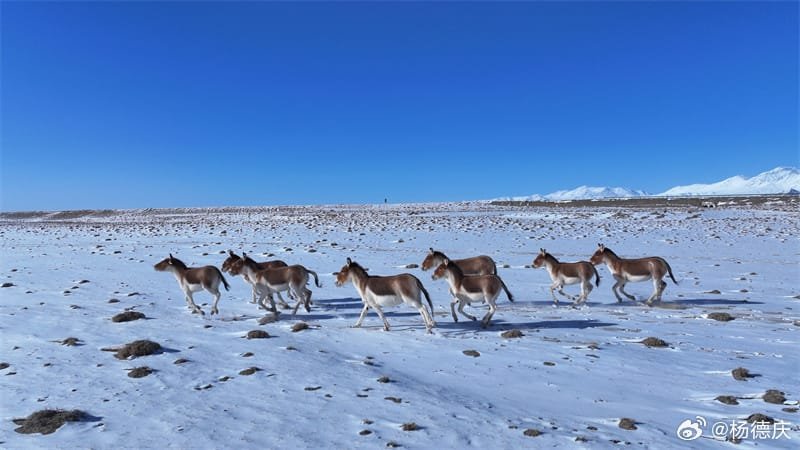
The Tibetan Plateau, often referred to as the “Roof of the World,” is one of the most unique and ecologically diverse regions on Earth. Its vast expanse, which spans across the Tibetan Autonomous Region…
Wildlife of the Tibetan Plateau: Species and Conservation Efforts
Introduction to the Tibetan Plateau’s Ecosystem The Tibetan Plateau, often referred to as the “Roof of the World,” is the highest and most expansive plateau globally, situated at an average altitude exceeding 4,500 meters.…

The Unique Architectural Styles of Tibetan Monasteries: A Comparative Analysis
Introduction to Tibetan Monasteries Tibetan monasteries, or ‘gompas,’ hold a pivotal role in the cultural and spiritual landscape of Tibetan Buddhism. These monasteries not only serve as communities for monks and nuns but also…