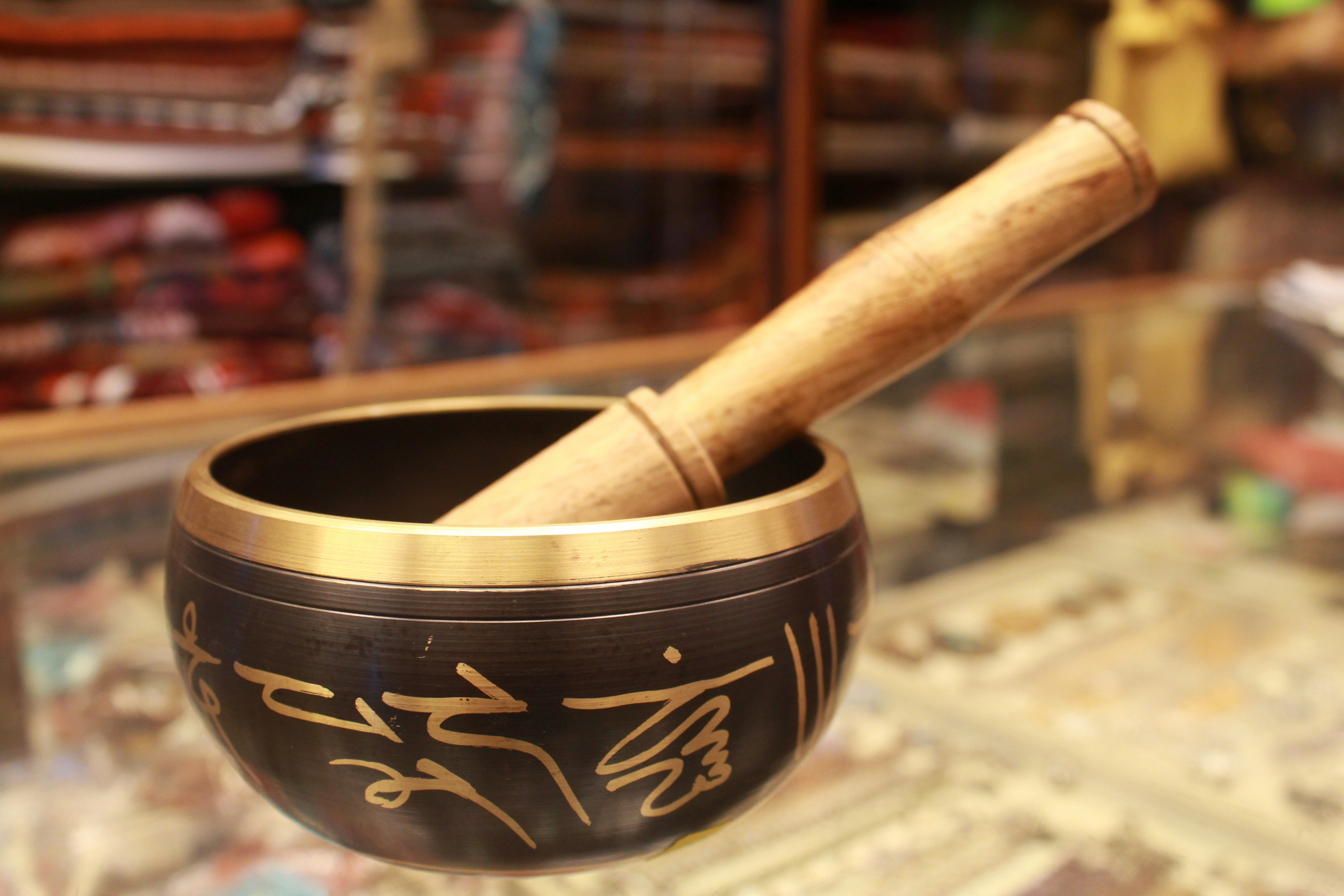
Tibetan Singing Bowls: Healing Through Sound
Origins and History Tibetan singing bowls, recognized for their unique sound and healing properties, possess a rich and enigmatic history that dates back at least 2,500 years. These instruments originated in the Himalayan region,…

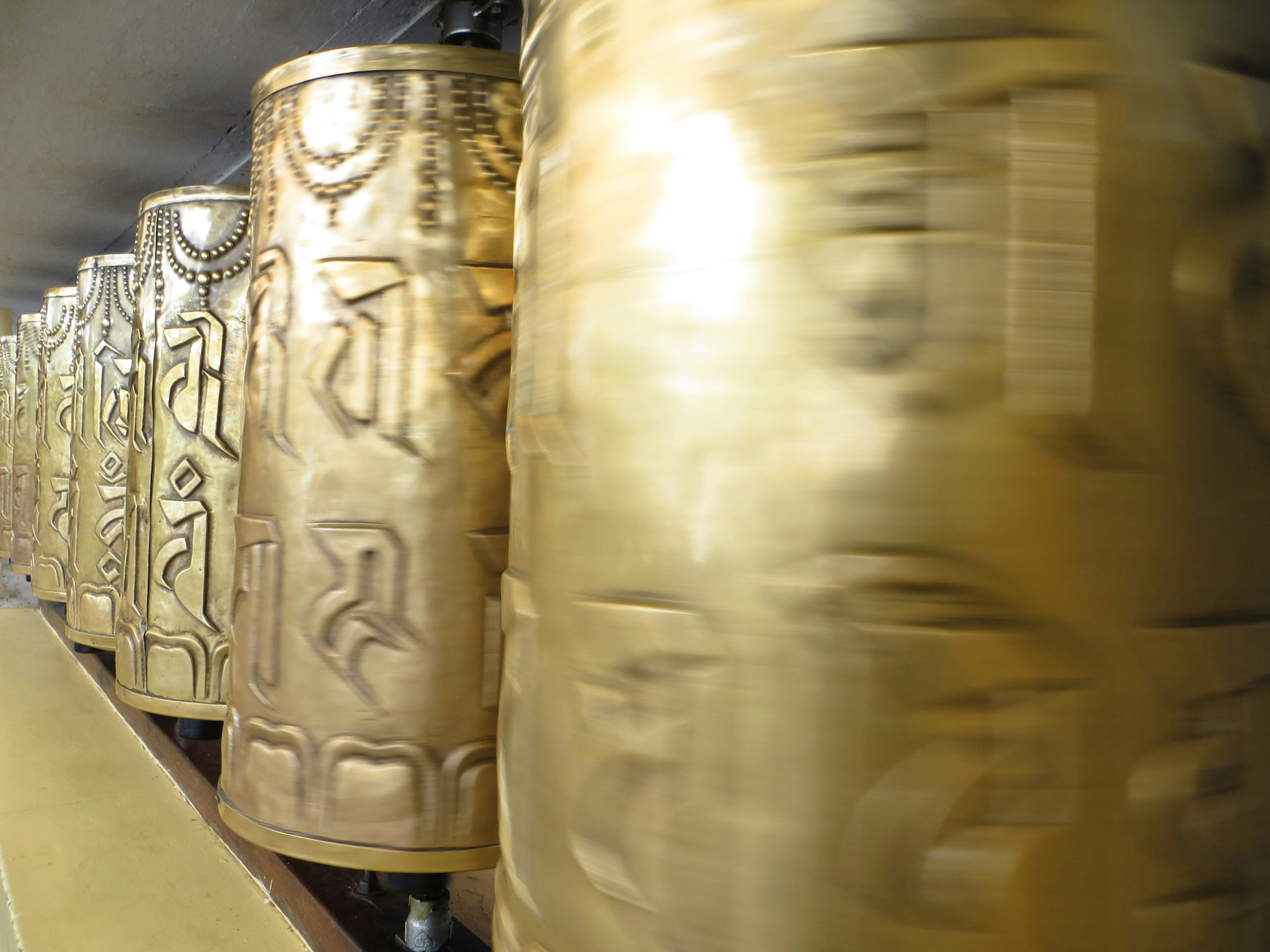
Tibetan Prayer Wheels: Turning Prayers into Motion
What is a Tibetan Prayer Wheel? A Tibetan prayer wheel, known as a khor lo, is a traditional device used in Tibetan Buddhism to facilitate the recitation of mantras and prayers. The fundamental structure…

Tibetan Sand Mandalas: The Sacred Art of Impermanence
What is a Sand Mandala? A sand mandala is an intricate design created from colored grains of sand, serving as a representation of the universe in Tibetan Buddhism. The term “mandala” originates from the…

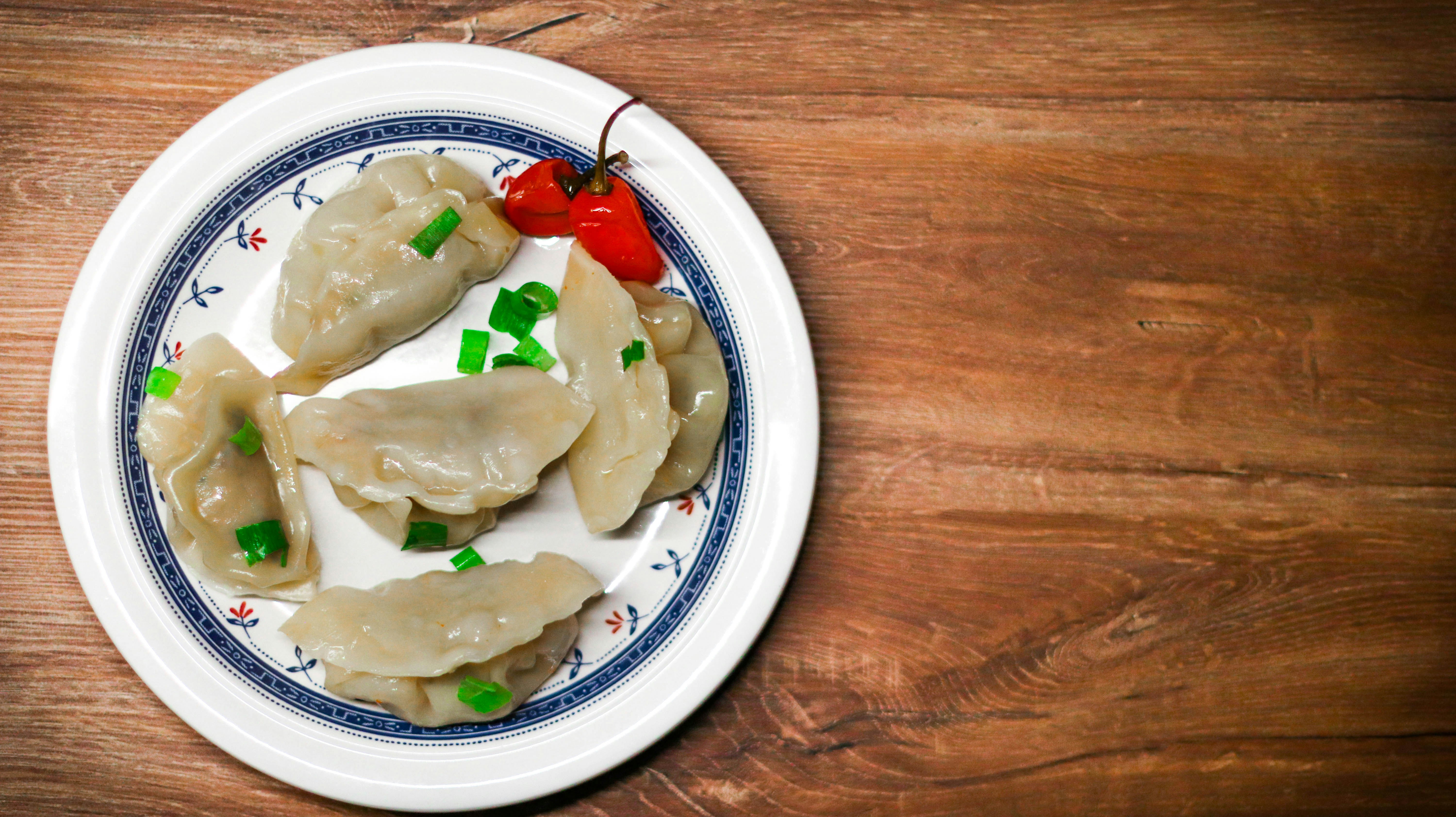
The Beloved Momo: A Culinary Journey Through Himalayan Dumplings
Introduction to Momos: Origins and Cultural Significance Momus, a dish often characterized by its delightful combination of a thin dough wrapper and a savory filling, holds significant historical and cultural importance in the Himalayan…

Why Tibet Train Tickets Cost More Than Official Prices
Understanding the Popularity of Tibet Tibet, often referred to as the “Roof of the World,” captivates the imagination of numerous travelers with its stunning natural beauty, vibrant culture, and deep spiritual history. The region…

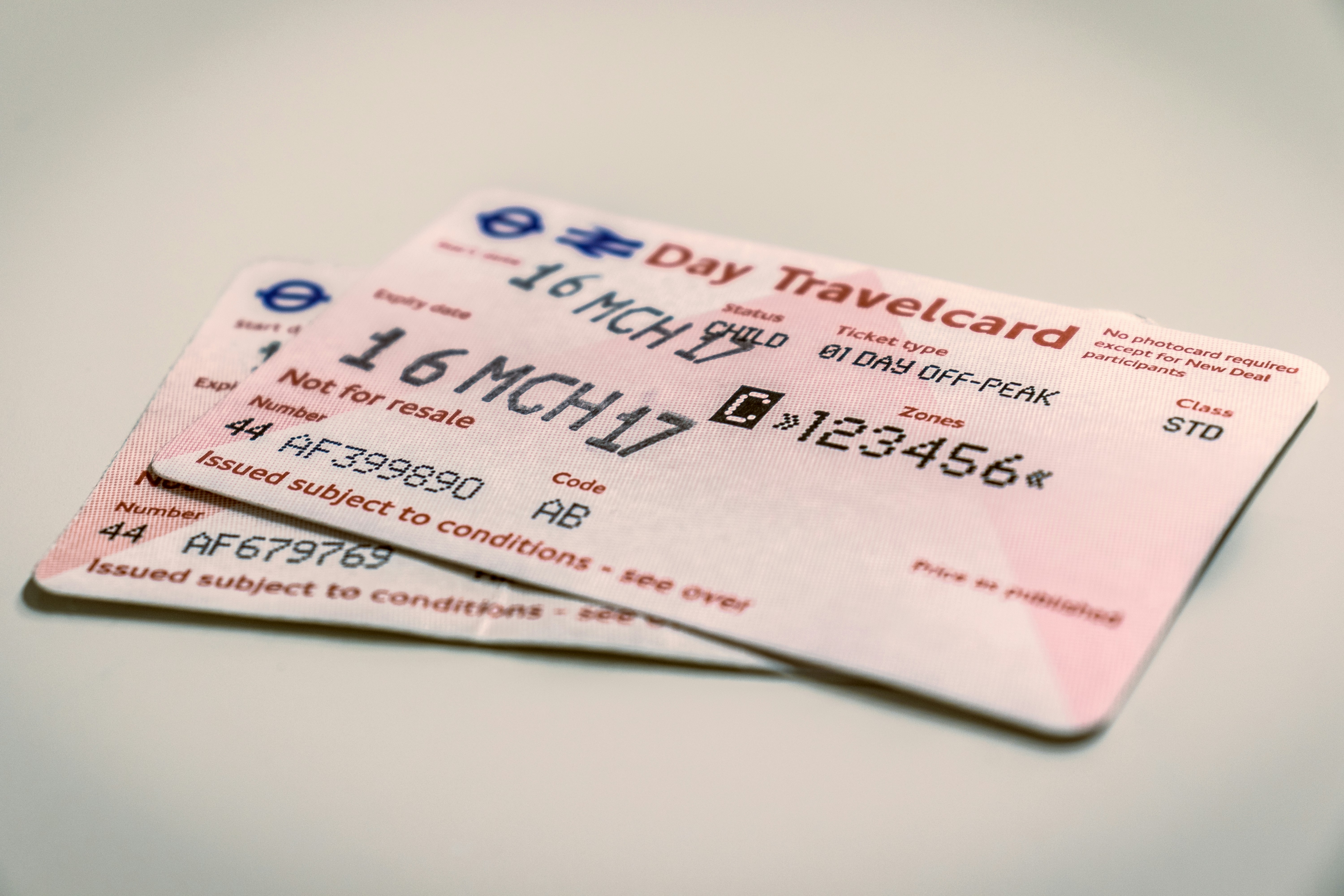
How to Collect Your Tibet Train Tickets After Booking
Understanding the Ticket Collection Process After successfully booking your Tibet train tickets, it becomes imperative to familiarize yourself with the ticket collection process. Foreign travelers, unlike Chinese citizens, cannot utilize self-service kiosks to retrieve…