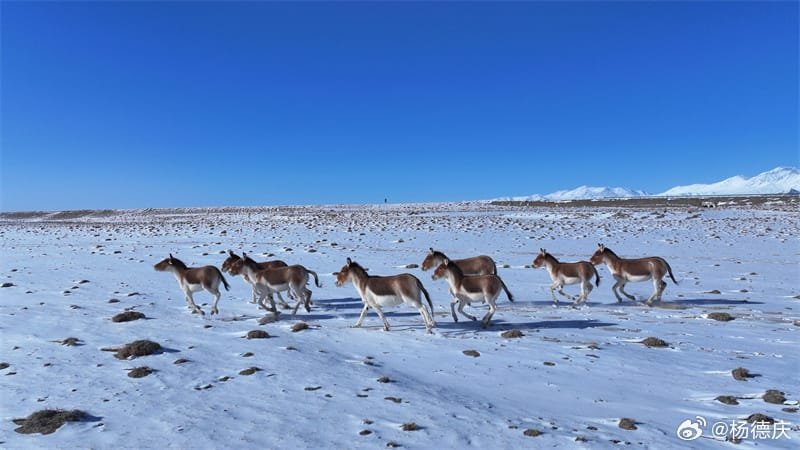
Introduction to the Tibetan Antelope The Tibetan antelope, scientifically known as Pantholops hodgsonii, stands as a remarkable symbol of the Tibetan Plateau ecosystem. Classified within the Bovidae family, this unique ungulate has adapted exceptionally well to its high-altitude habitat, where it thrives at elevations ranging from 3,000 to 5,500 meters. Known locally as chiru, the...Read More
The Tibetan Plateau, often referred to as the “Roof of the World,” is one of the most unique and ecologically diverse regions on Earth. Its vast expanse, which spans across the Tibetan Autonomous Region (TAR), parts of Qinghai, Sichuan, and other neighboring provinces of China, encompasses a broad range of habitats and climates, from alpine...Read More
Introduction to the Tibetan Plateau’s Ecosystem The Tibetan Plateau, often referred to as the “Roof of the World,” is the highest and most expansive plateau globally, situated at an average altitude exceeding 4,500 meters. This remarkable elevation significantly impacts its climate and ecosystem, creating distinct environmental conditions that support a unique array of wildlife. The...Read More
Introduction to Tibetan Monasteries Tibetan monasteries, or ‘gompas,’ hold a pivotal role in the cultural and spiritual landscape of Tibetan Buddhism. These monasteries not only serve as communities for monks and nuns but also function as vital centers for the preservation and dissemination of Buddhist teachings. Historically, the origins of Tibetan monastic architecture can be...Read More
Introduction to Tibetan Monasteries and Buddhism Tibetan monasteries serve as pivotal institutions within the framework of Tibetan Buddhism, a spiritual practice that intertwines beliefs, rituals, and communal life. These monasteries, often set against stunning mountain landscapes, are more than mere architectural marvels; they are sacred spaces where the teachings of the Buddha are preserved, practiced,...Read More
Introduction to Tibetan Monasteries Tibetan monasteries, known as gompas, are prominent features of the landscape in the Tibetan Plateau, characterized by their unique architectural style and deep-rooted cultural significance. Historically, these monastic structures emerged as important centers of Buddhism, particularly after the arrival of this spiritual tradition in Tibet during the 7th century. Over time,...Read More
What is Tsampa? Tsampa is a traditional Tibetan food made primarily from roasted barley flour. It serves as a fundamental component in the Tibetan diet, reflecting the unique agricultural practices and cultural values of the region. Barley, a hardy grain well-adapted to the high-altitude climate of Tibet, grows abundantly in the region, making it a...Read More
A Brief History of Momos Momos, the delightful dumplings that have captured taste buds around the world, find their origins deeply rooted in Tibetan cuisine. Historians trace the inception of this cherished dish back to the ancient Tibetans, who crafted these dumplings as a portable and nourishing meal, suitable for their nomadic lifestyle. These early...Read More
Introduction to Thukpa Thukpa is a traditional noodle soup that holds a cherished place in Tibetan cuisine. Originating from Tibet, this nourishing dish has transcended geographical boundaries to become a beloved staple in various Himalayan regions, including Nepal and parts of northern India. The context of Thukpa extends beyond mere sustenance; it represents the rich...Read More
Introduction to Tibetan Cuisine Tibetan cuisine is a rich tapestry of flavors and textures that reflects the unique culture and environment of the Tibetan Plateau, often referred to as the “Roof of the World.” It is shaped by the high-altitude geography, which presents both challenges and opportunities in food preparation and consumption. The harsh climate...Read More