The Tibetan Lynx: The Stealthy Hunter The Tibetan Lynx (Lynx lynx isabella), a captivating feline native to the Tibetan Plateau, showcases several characteristics that exemplify its unique adaptation to a high-altitude environment. This medium-sized cat is distinguished by its tufted ears, which not only contribute to its acute hearing but also add to its striking...Read More
Tibetan Snowcock: Masters of the High Altitude The Tibetan Snowcock (Tetraogallus tibetanus) is a remarkable bird species endemic to the high-altitude regions of the Tibetan Plateau. Characterized by its medium size, this avian marvel has a distinctive plumage that echoes the shades of its rugged surroundings. The Tibetan Snowcock features a combination of brown, gray,...Read More
Physical Characteristics of the Tibetan Fox The Tibetan fox (Vulpes ferrilata), a remarkable inhabitant of the Tibetan Plateau, exhibits several physical characteristics that distinguish it from other fox species. This medium-sized canid typically measures between 60 to 70 centimeters in body length, with an additional tail length of around 30 centimeters. Weighing between 5 to...Read More
Introduction to Tibet’s Unique Wildlife Tibet, often referred to as the “Roof of the World,” boasts a rich tapestry of wildlife that has uniquely adapted to thrive in its high-altitude environments. This region, characterized by its rugged mountains and vast plateaus, presents formidable challenges to survival, including extreme temperatures, thin air, and limited food resources....Read More
Introduction to Tibet’s Unique Ecology Tibet is a region renowned for its dramatic landscapes and unparalleled ecological significance. Situated on the Tibetan Plateau, the highest and largest plateau on Earth, it boasts an elevation that averages over 4,500 meters (14,800 feet) above sea level. This high-altitude environment presents unique challenges, including harsh weather conditions, reduced...Read More
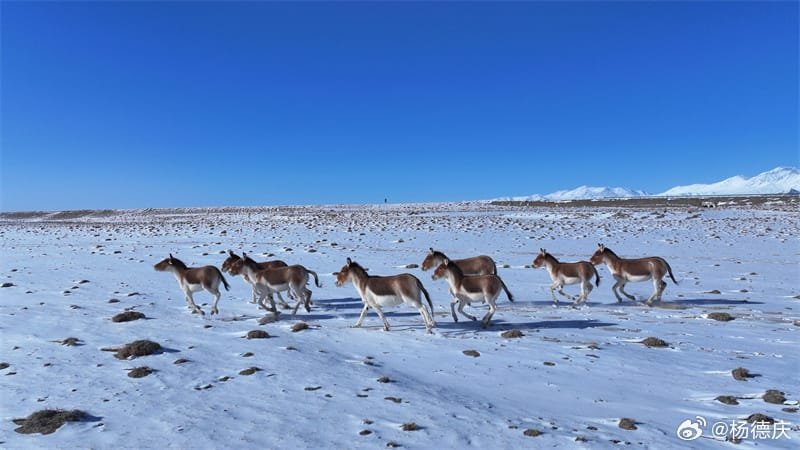
Distribution and Habitat The Tibetan wild ass, commonly referred to as the kiang, predominantly inhabits the vast expanses of the Tibetan Plateau. This unique region encompasses parts of several countries, including China, India, Nepal, and Pakistan. Within this geographical range, kiangs have a significant presence across various provinces in China, particularly in the Tibet Autonomous...Read More
Characteristics of the Tibetan Fox The Tibetan fox (Vulpes ferrilata) is a remarkable species, well-adapted to the rugged and extreme environment of the high Tibetan plateau. This animal typically measures between 18 to 24 inches in length, with an additional tail length of about 12 to 16 inches. Weighing between 5 to 10 pounds, the...Read More
Introduction to the Tibetan Wolf The Tibetan wolf, scientifically recognized as Canis lupus chanco, is classified as a subspecies of the gray wolf, which is known for its adaptability and resilience in various ecosystems. This particular subspecies has evolved to thrive in the harsh and rugged terrains of the Himalayan mountains and the expansive Tibetan...Read More
The Tibetan Plateau, often referred to as the “Roof of the World,” is one of the most unique and ecologically diverse regions on Earth. Its vast expanse, which spans across the Tibetan Autonomous Region (TAR), parts of Qinghai, Sichuan, and other neighboring provinces of China, encompasses a broad range of habitats and climates, from alpine...Read More
Introduction A recent survey conducted by the Nagqu Forestry and Grassland Bureau in collaboration with the Shanshui Nature Conservation Center has revealed that Tibet’s Nagqu region is a vital habitat for snow leopards. The study identified a total of 126 individual snow leopards, highlighting the region’s critical role in the conservation of this elusive big...Read More