Getting to Lhasa Traveling to Lhasa, the capital of Tibet, is an exciting journey that offers a unique experience. There are two primary modes of transportation for reaching this remarkable city: air travel and train travel. Each option provides travelers with distinct views and experiences, making the journey to Lhasa an integral part of the...Read More
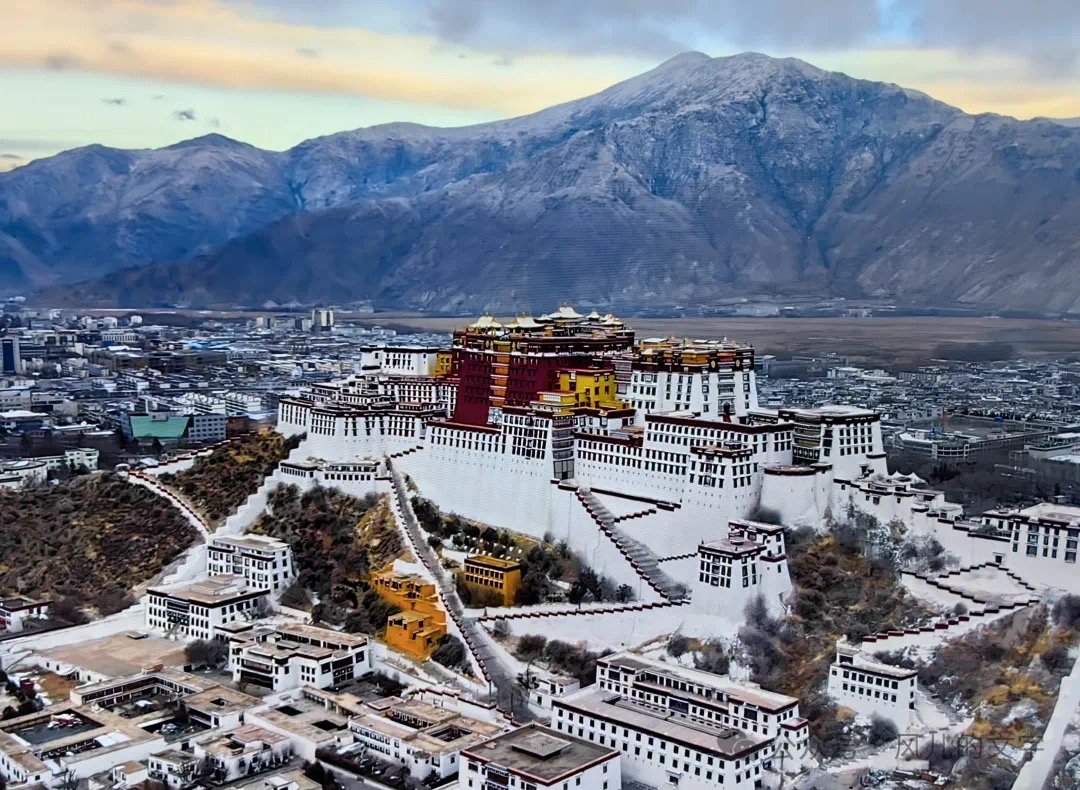
Potala Palace: A Glimpse into Tibetan History The Potala Palace, perched majestically on Marpo Ri hill, is an emblematic symbol of Tibetan culture and identity, attracting visitors from all corners of the globe. This architectural marvel served as the winter residence of the Dalai Lamas for several centuries and has become a prominent highlight in...Read More
Introduction to Lhasa: The City of Sunlight Lhasa, the capital of the Tibet Autonomous Region, stands as a beacon of culture and spirituality, drawing travelers from all corners of the globe. Nestled at an impressive altitude of 3,650 meters (11,975 feet) above sea level, this historic city is not only the administrative center of Tibet...Read More
The Essence of a Spiritual Quest A spiritual quest is often initiated by the intrinsic desire for growth and transformation. Individuals embark on these journeys for a multitude of reasons, driven by a longing for a deeper connection with the divine, a pursuit of enlightenment, or the need for purification of the soul. At its...Read More
Understanding Altitude Sickness Altitude sickness, also known as acute mountain sickness (AMS), is a condition that can affect travelers ascending to high altitudes, such as those undertaking the Kailash pilgrimage. This phenomenon occurs when the body struggles to acclimatize to lower oxygen levels at higher elevations. The physiological changes that transpire during this process can...Read More
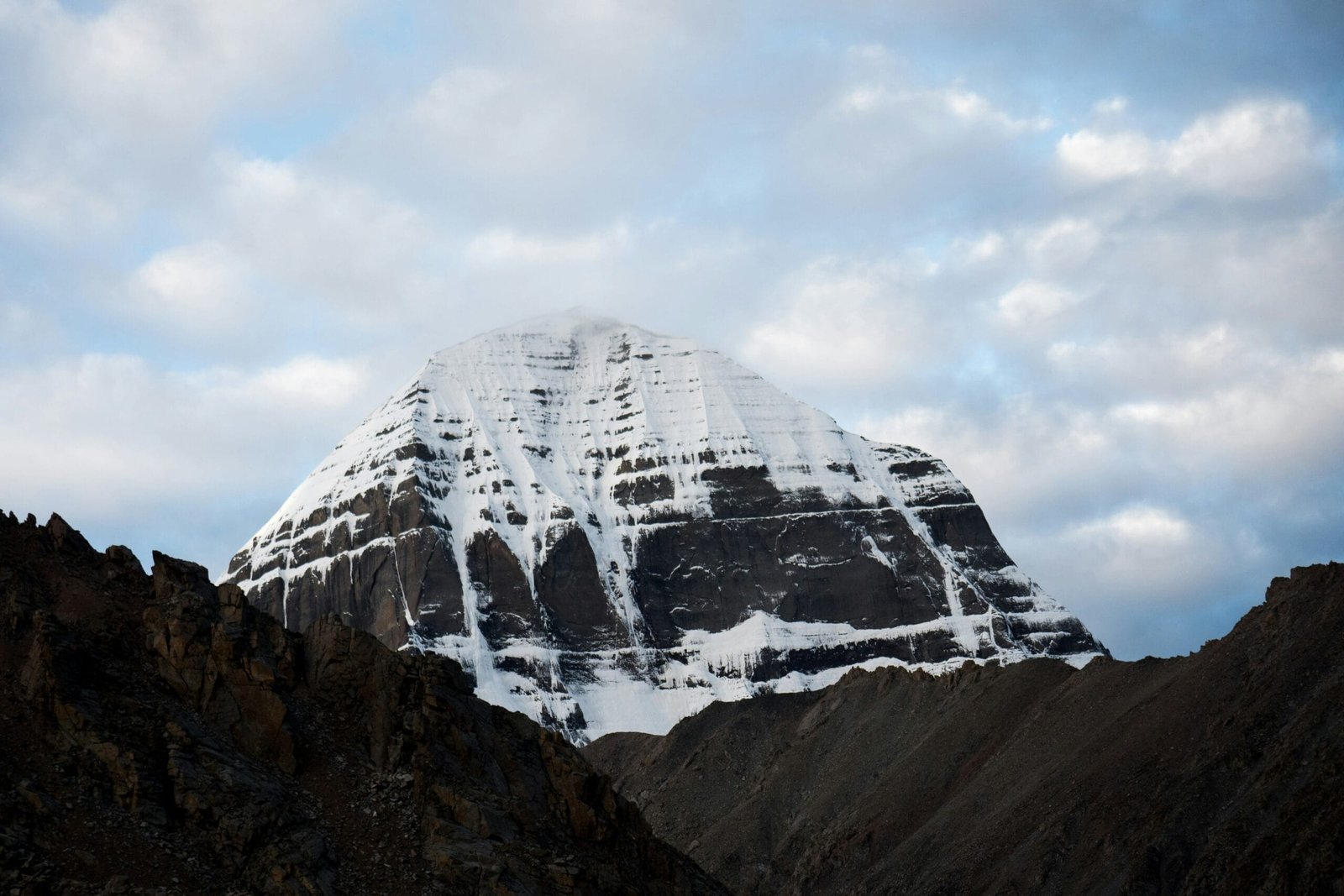
The Spiritual Significance of Mount Kailash Mount Kailash, towering at an elevation of 6,638 meters in the Tibetan Autonomous Region of China, holds profound spiritual significance across multiple religions, namely Hinduism, Buddhism, Jainism, and Bon. For many devotees, this mountain is not merely a physical location, but rather a divine embodiment of sacredness. In the...Read More
Understanding the Climate and Seasons at Mount Kailash Mount Kailash, a revered pilgrimage site for Hindus, Buddhists, Jains, and Bon practitioners, experiences a unique climate that varies significantly from season to season. Understanding these seasonal changes is crucial for planning a successful pilgrimage, as the weather conditions can profoundly impact travel experiences. Winter, spanning from...Read More
Understanding the Mount Kailash Pilgrimage The Mount Kailash pilgrimage holds a significant place in the spiritual traditions of various religions, particularly Hinduism, Buddhism, Jainism, and Bon. Revered as the abode of Lord Shiva in Hinduism, Mount Kailash is believed to be the source of four major rivers: the Indus, Sutlej, Brahmaputra, and Ghaghara. For Buddhists,...Read More
Overview of Mount Kailash and its Significance Mount Kailash, located in the southwestern part of Tibet, holds a prominent place in the hearts of many devotees and adventurers alike. Rising to an altitude of 6,638 meters, this peak is not only distinguished by its majestic beauty but also by its profound spiritual significance. Revered as...Read More
Introduction to Mount Kailash Mount Kailash, located in the Tibet Autonomous Region of China, presents both a formidable natural landscape and a profound spiritual significance. Rising majestically to an elevation of 6,638 meters (21,778 feet), this peak is often shrouded in awe and reverence, admired not only for its striking geography but also for its...Read More