The British Expeditions of the 1920s The 1920s marked a significant era in the history of mountaineering, particularly concerning the British expeditions to Mount Everest. Several factors motivated these ambitious undertakings, chief among them a desire to assert British prowess in the realm of exploration and adventure following the conclusion of World War I. The...Read More
Historical Context of the Northeast Ridge Route The Northeast Ridge Route on Mount Everest has a rich and complex history that reflects the evolution of high-altitude mountaineering. The first significant attempts to ascend this route began in the 1960s when the Chinese government opened Tibet to foreign climbers. The route gained particular attention in 1960...Read More
Introduction to Lhasa: The Jewel of Tibet Lhasa, often referred to as the jewel of Tibet, serves as the spiritual and cultural heart of this unique region. Nestled at an elevation of approximately 3,650 meters (11,975 feet), Lhasa is more than just a city; it is a symbol of Tibetan resilience and a hub for...Read More
Introduction to Lhasa’s Nightlife Lhasa, the capital of Tibet, is not only renowned for its breathtaking landscapes and rich historical significance but also boasts a vibrant nightlife that captivates both locals and visitors. As the sun sets over the Potala Palace, the city transforms into a lively hub where various cultural experiences come to life....Read More
The Rivers of Shigatse, Tibet Dalongpuqu (Dalongfuqu), meaning “Tiger Gorge Stream,” is a tributary of the Yarlung Tsangpo River located northeast of Shigatse. The riverbanks have excellent pastures where yaks, dzo (yak-cattle hybrids), and Tibetan sheep are herded. The river is home to schizothoracin fish. Zirerqu (Ziri’aqu), meaning “Seepage Dam River,” is a tributary of...Read More
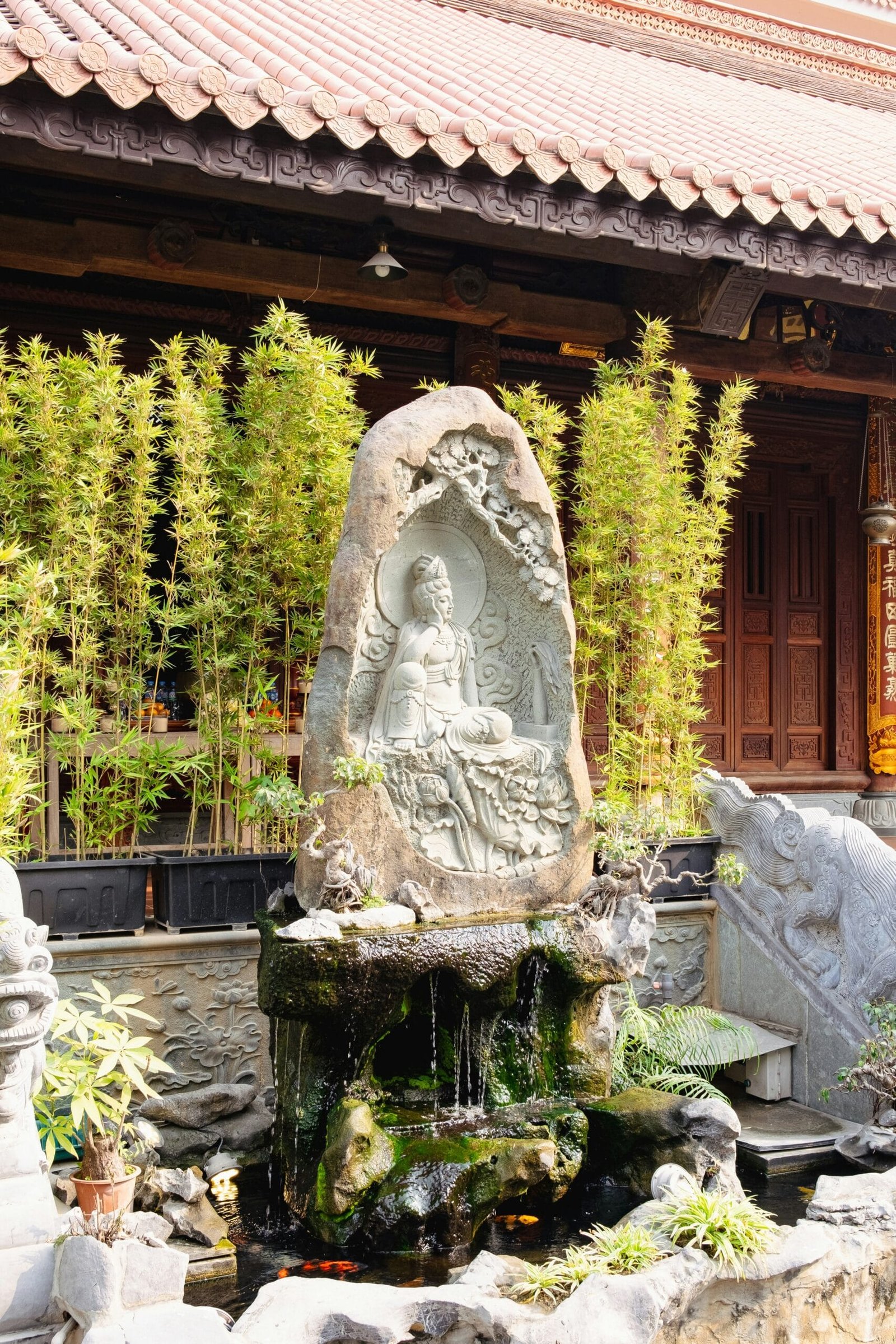
The Unique Style of Tibetan Buddhist Sculpture Tibetan Buddhist sculpture has evolved over centuries by absorbing and blending artistic influences from India, Nepal, Kashmir, and China. This fusion has resulted in a distinct sculptural tradition with diverse forms, intricate craftsmanship, and unique regional characteristics. These sculptures vividly depict the evolution of Tibetan Buddhism, reflecting its...Read More
Masks, called “Ba” in Tibetan, can be categorized into three main types: Cham (ritual dance masks), hanging masks, and Tibetan opera masks. Cham Masks: These are religious masks worn during ritual dances that are intended to honor gods, drive away evil spirits, and prevent disasters. They are used in religious ceremonies to invoke blessings and...Read More
Who Was William Woodville Rockhill? William Woodville Rockhill was an influential American diplomat and scholar, renowned for his expertise in Tibetan studies and his significant contributions to the understanding of Tibetan culture and Buddhism. Born in 1854, Rockhill demonstrated an early affinity for languages, which he uniquely supplemented with his profound knowledge of Tibetan and...Read More
Understanding the Rainbow Body The concept of the rainbow body is a profound and intricate element within Tibetan Buddhism, particularly emphasized in the dzogchen tradition. The term ‘rainbow body’ refers to a state of high spiritual realization where a practitioner’s physical form is believed to transform into pure light, thereby transcending the physical realm. This...Read More
The Inception of Datsan Gunzechoinei The Datsan Gunzechoinei, established in 1909, stands as a significant landmark in the history of Buddhism within Imperial Russia. This temple owes its inception to the initiative of Agvan Dorzhiev, a Buryat Mongol who served as a close advisor to the 13th Dalai Lama. Dorzhiev’s passionate advocacy for Tibetan Buddhism...Read More