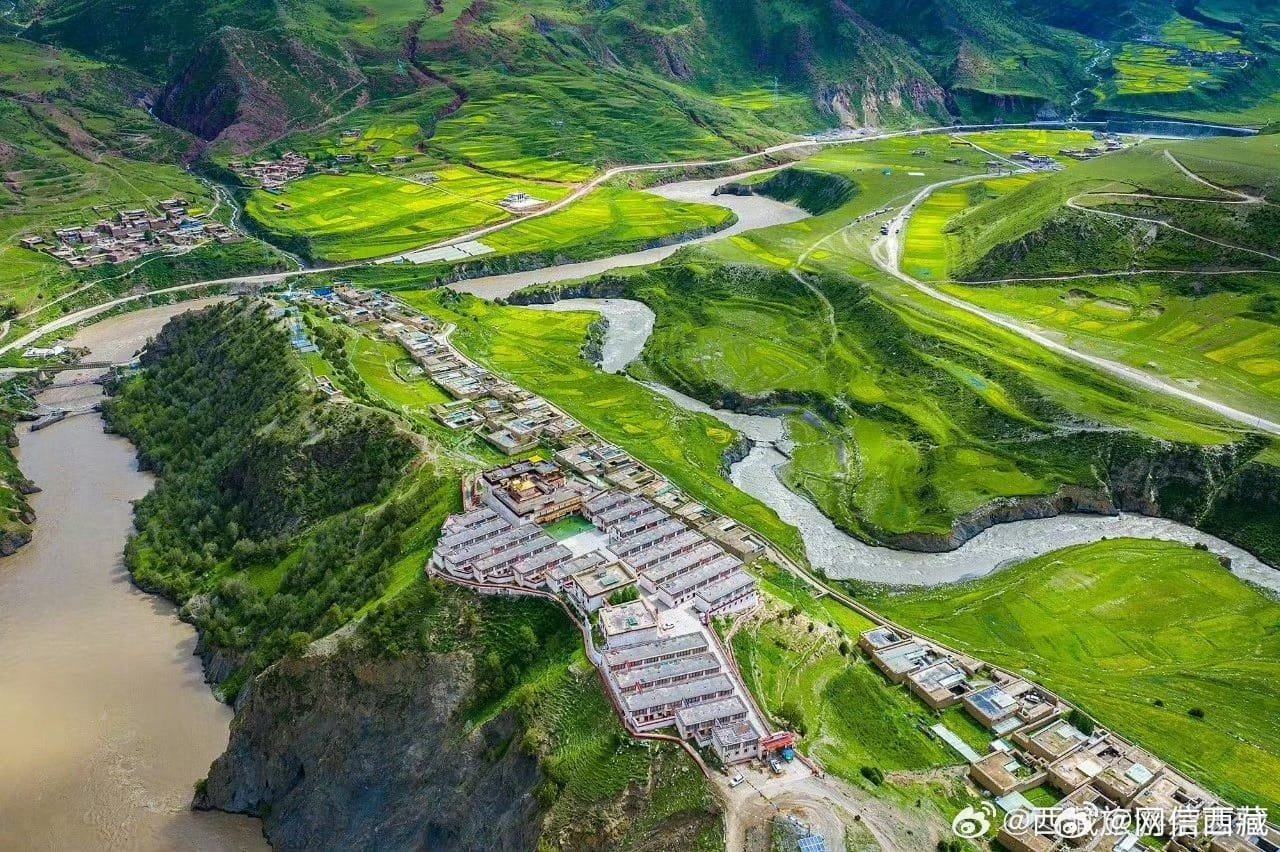
Overview of Sharchu River (Xiaqu) Sharchu (夏曲), meaning “Eastern River,” is a crucial waterway flowing through Bianba County, Tibet. The river gets its name due to its geographical position relative to Nubchu (努曲), the “Western River,” which runs parallel to it. As an essential part of the region’s ecosystem, Sharchu supports local agriculture, biodiversity, and...Read More
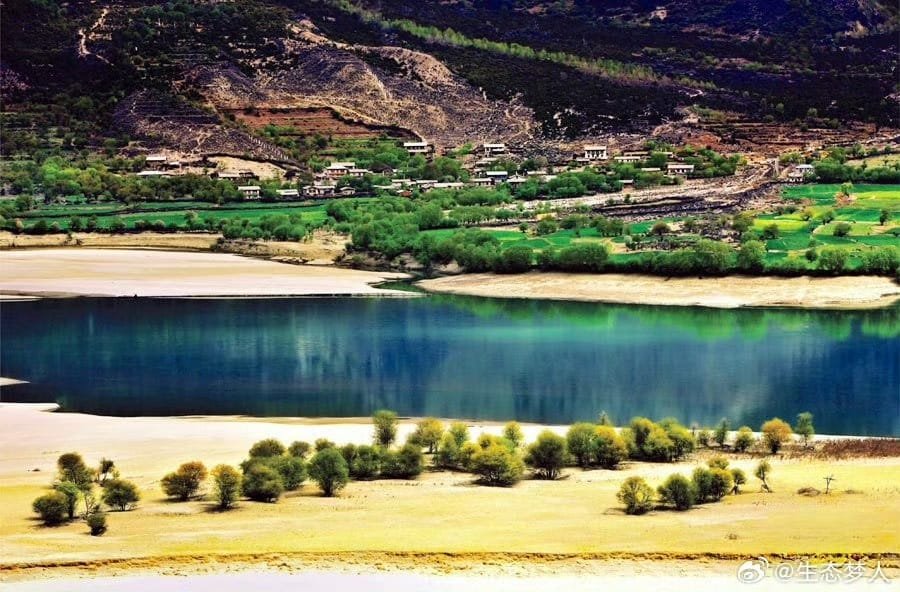
The Drichu River, also known as the Jinsha River, is one of the most significant watercourses in Tibet and China. Serving as the upper reaches of the Yangtze River, it is deeply intertwined with the geography, culture, and history of the Tibetan Plateau. In Tibetan, the Drichu (འབྲི་ཆུ་, ‘Bri Chu’) means “Water of the Female...Read More
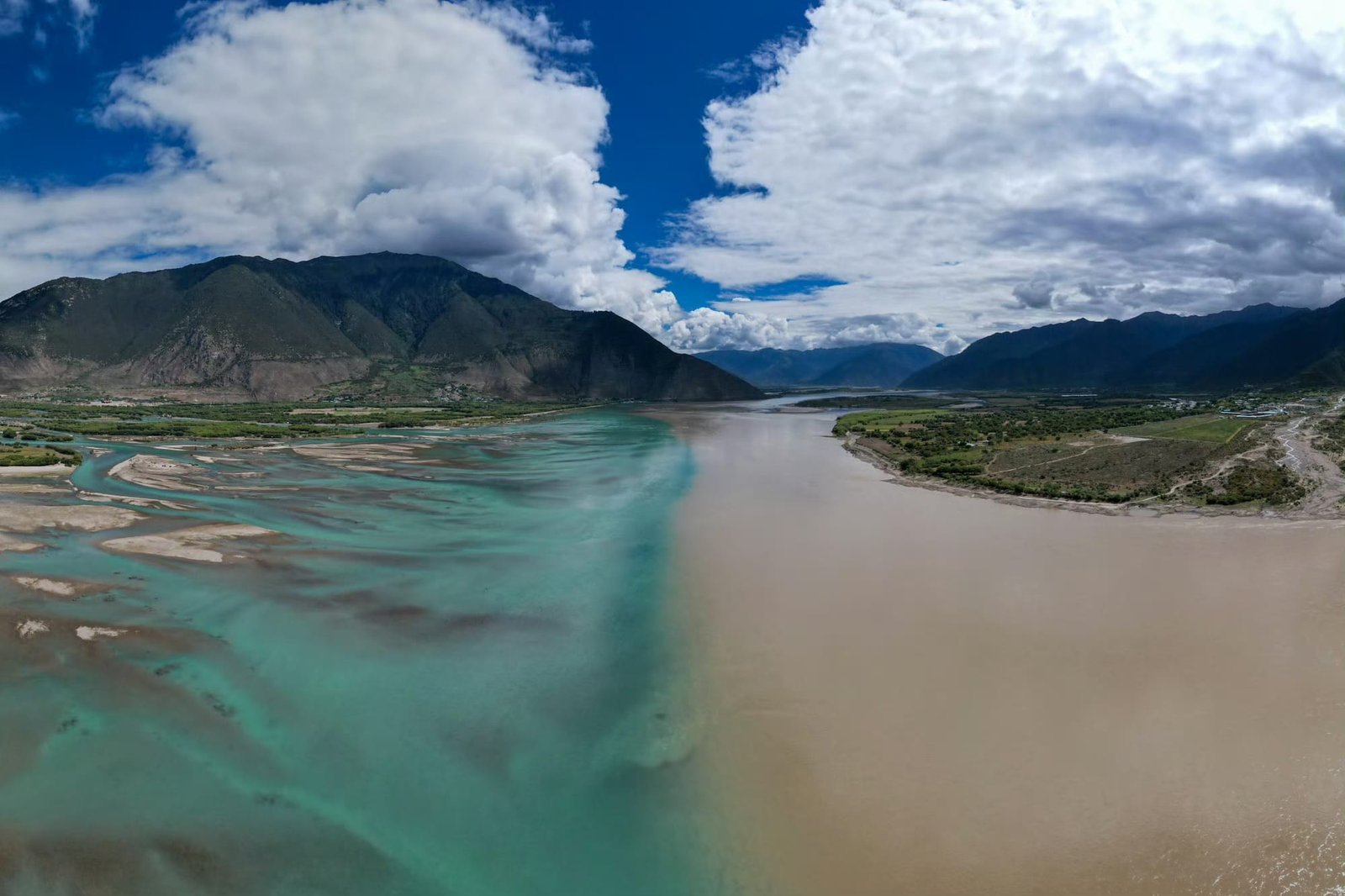
The Aichu River (埃曲), also known as “Ngêxi / རྔེ་གཤིས (额哎曲), meaning “River of Desire,” flows through Karuo District in Chamdo, Tibet. Situated east of the district center, this tributary of the Lancang River (Mekong River) plays a crucial role in sustaining the region’s agriculture, biodiversity, and local communities. A River of Fertile Lands and...Read More
The Tsochu River: A Lifeline of Chamdo’s Nomadic Culture and Ecology The Tsochu River (错曲)མཚོ་ཆུ་, meaning “Lake River,” flows through Karuo District in Chamdo, Tibet. Situated northeast of the district center, this pristine river plays a crucial role in sustaining Tibetan nomadic life, supporting local biodiversity, and enhancing the region’s natural beauty. A Vital River...Read More
Introduction to Ngom Chu (Angqu) Ngom Chu (formerly known as 昂曲 Angqu) translates to “Great Mighty River” or “Majestic River.” Flowing through Karuo District in Chamdo, Tibet, this pristine waterway originates in the northeastern highlands at an elevation of over 5,000 meters. It follows a north-south course before curving westward, eventually merging with the Requ...Read More