Category: Cultural Heritage

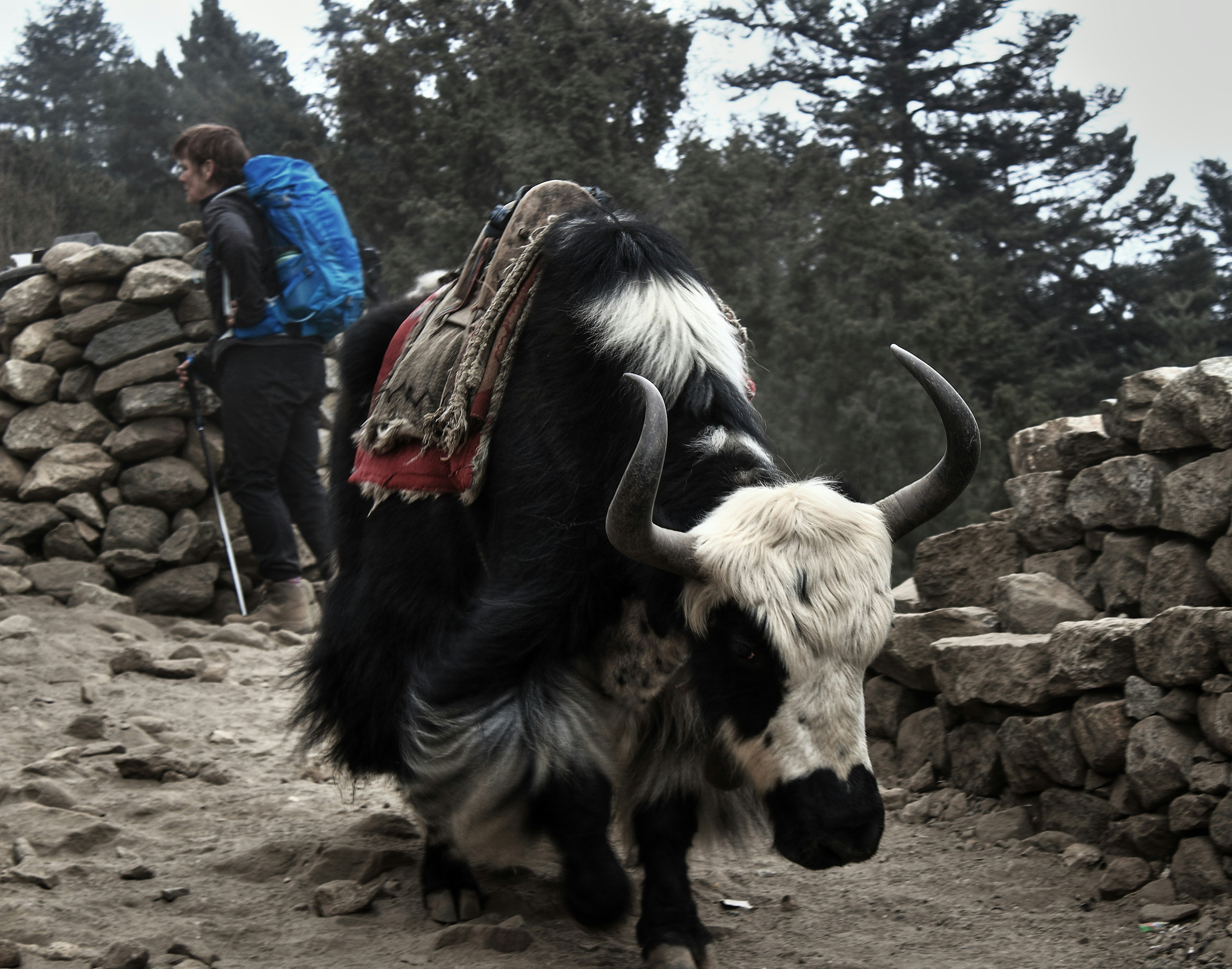
Yaks: Pillars of Tibetan Culture and Economy
Cultural Importance: A Symbol of Tibetan Identity Yaks hold a revered position in Tibetan culture, serving as more than mere livestock; they symbolize resilience and embody the deep connection between the Tibetan people and…

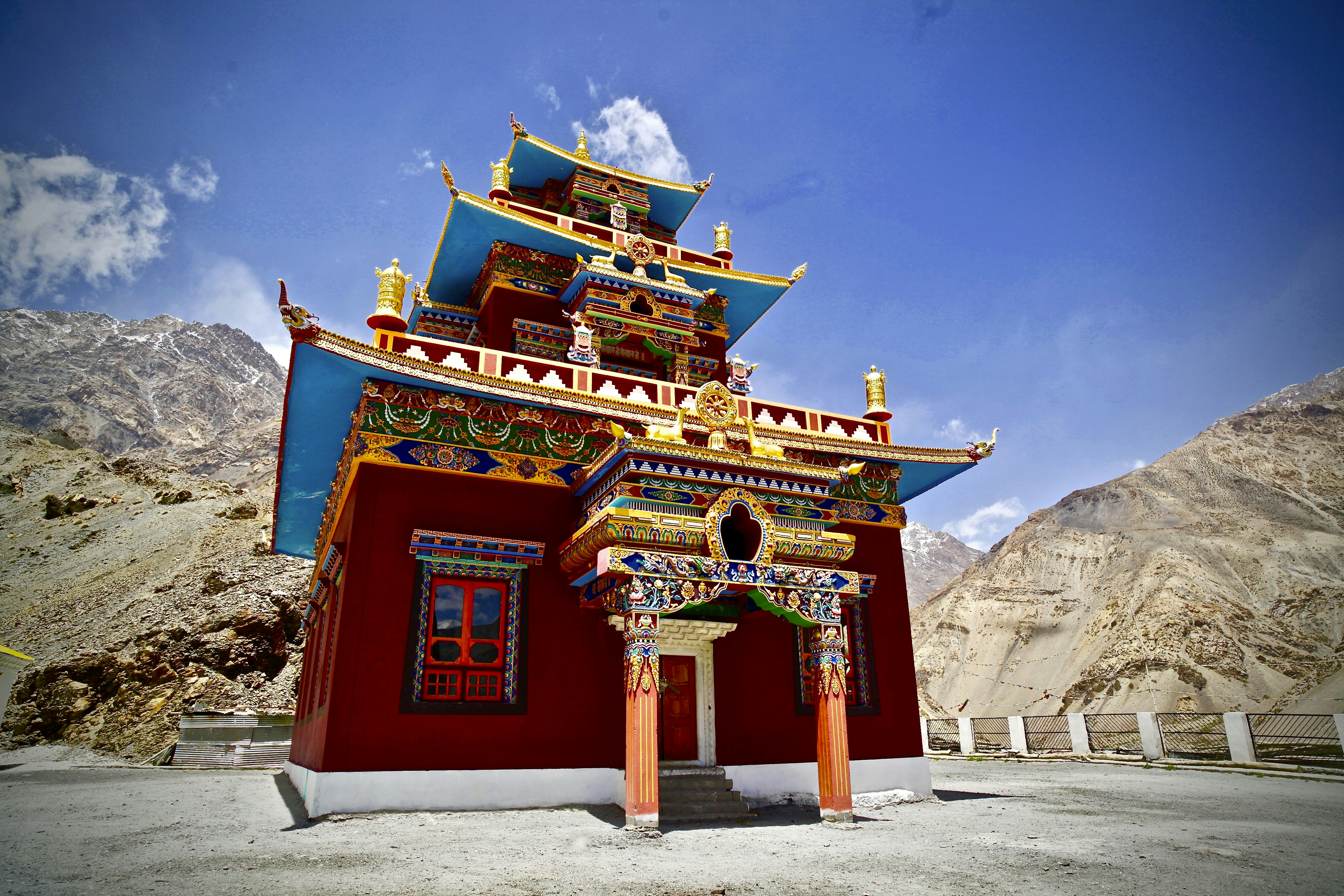
Tashilhunpo Monastery: A Pillar of Tibetan Buddhism
History of Tashilhunpo Monastery Tashilhunpo Monastery, founded in 1447 by the 1st Dalai Lama, Gyalwa Gedun Drupa, stands as a significant beacon of Tibetan Buddhism. This establishment marked an essential milestone in the spiritual…

The Legend of King Gesar: A Tibetan Epic Tale
Introduction to King Gesar The legend of King Gesar is an extraordinary epic that embodies the cultural essence of Tibet. Often regarded as one of the longest oral epics in the world, this tale…

Tibetan Buddhist Sculpture: A Reflection of Culture and History
The Unique Style of Tibetan Buddhist Sculpture Tibetan Buddhist sculpture has evolved over centuries by absorbing and blending artistic influences from India, Nepal, Kashmir, and China. This fusion has resulted in a distinct sculptural…
The Legacy of Tibetan Official Seals: Insights into Governmental and Religious Heritage
Introduction: Understanding Tibetan Official Seals Tibetan official seals stand as pivotal artifacts that encapsulate the complex intertwining of governmental authority and religious significance within Tibetan culture. Historically, these seals have served not just as…
Labor Songs: The Rhythms of Work in Tibetan Culture
Introduction to Labor Songs in Tibetan Culture Labor songs hold a significant place in Tibetan culture, reflecting the profound relationship between the community and the natural environment. These songs are traditionally sung during collective…