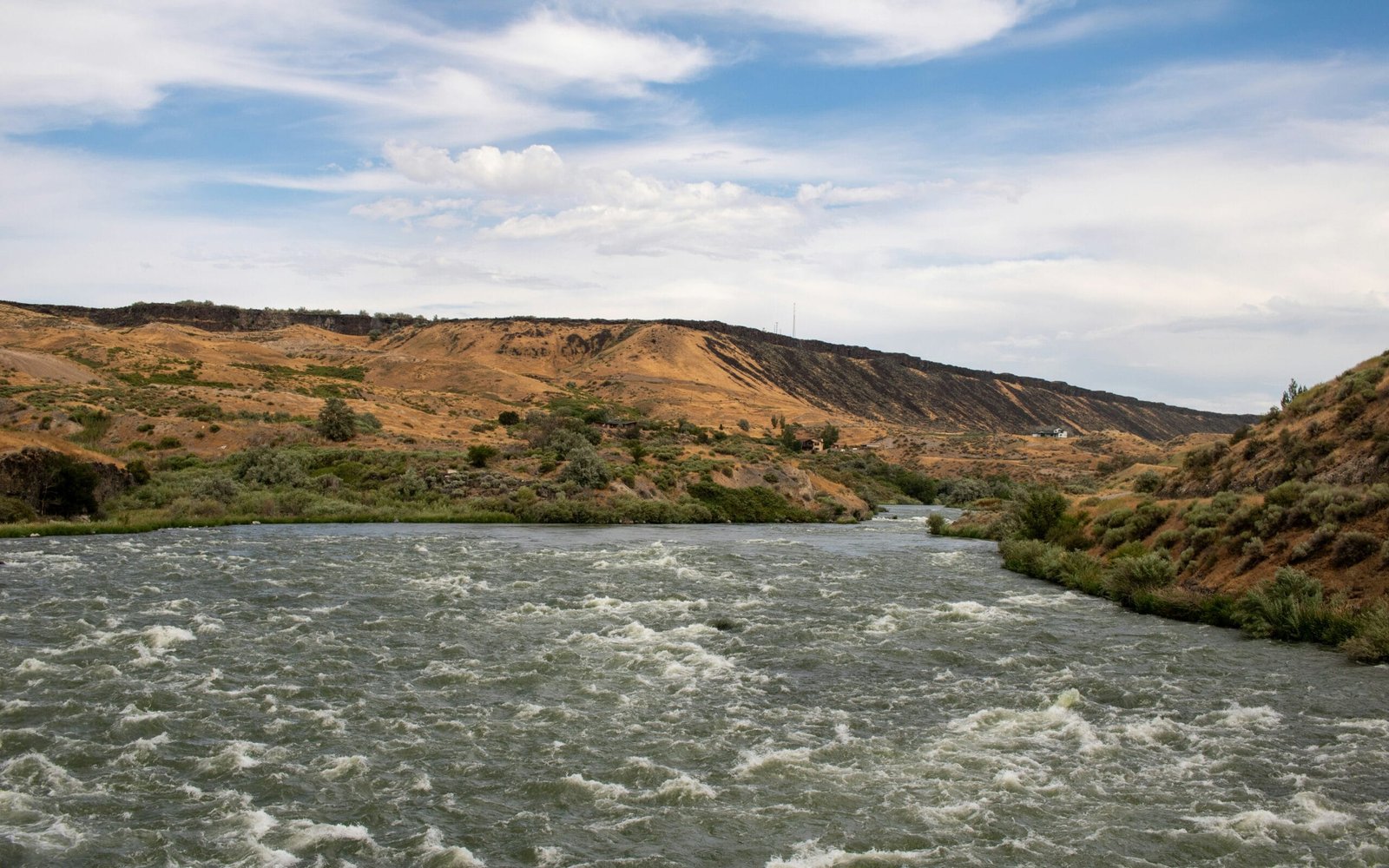
Introduction to the Yarlung Tsangpo Grand Canyon The Yarlung Tsangpo Grand Canyon, often regarded as one of the deepest and longest canyons in the world, is a striking natural wonder located in the Tibet Autonomous Region of China. Stretching approximately 506 kilometers, this scenic canyon is carved by the mighty Yarlung Tsangpo River, which flows...Read More
Introduction to the Nyingchi Peach Blossom Festival The Nyingchi Peach Blossom Festival is a vibrant celebration that occurs annually in Nyingchi, a picturesque region of Tibet, typically from late March to early April. Coinciding with the blooming of peach trees, this festival offers a unique opportunity to witness the breathtaking beauty of nature while embracing...Read More
Introduction to the Nyingchi Peach Blossom Festival The Nyingchi Peach Blossom Festival is a vibrant and culturally significant event celebrated annually in the Nyingchi region of Tibet, attracting both locals and tourists from around the world. This festival typically takes place in early April, marking the arrival of spring and the blossoming of the peach...Read More
Introduction to the Nyingchi Peach Blossom Festival The Nyingchi Peach Blossom Festival is a vibrant celebration held annually in Nyingchi, Tibet, typically from late March to early April. This beautiful festival marks the onset of spring, showcasing the enchanting beauty of peach blossoms that adorn the region. Visitors from around the world come to experience...Read More
Understanding Losar: The Significance of the Tibetan New Year Losar, the Tibetan New Year, holds profound significance within Tibetan culture, serving as a time of renewal, reflection, and community. Its origins can be traced back to ancient agricultural practices, primarily linked to the lunar calendar. Historically, Losar marks the end of winter and the beginning...Read More
The Historical Roots of Shoton Festival The Shoton Festival, also known as the Yogurt Festival, boasts a rich heritage that reflects the spiritual and cultural evolution of Tibet. Its origins can be traced back to ancient Tibetan traditions where it was primarily a religious observance. Initially, the festival was celebrated to commemorate the end of...Read More
Introduction to Saga Dawa The Saga Dawa festival, a significant event in Tibetan Buddhism, holds great importance in the spiritual lives of practitioners. Celebrated on the full moon day of the fourth month in the Tibetan lunar calendar, this festival marks three pivotal events in the life of Buddha Sakyamuni: his birth, enlightenment, and parinirvana,...Read More
The Climate of Lhasa: An Overview Lhasa, the administrative capital of Tibet, is situated at an impressive altitude of approximately 3,650 meters (11,975 feet) above sea level. This unique elevation profoundly influences the city’s climate, resulting in a high-altitude environment marked by distinct seasonal variations. The climate is primarily characterized by its dry, cold winters...Read More
Introduction to Tibetan Festivals Tibetan festivals hold profound significance within the rich tapestry of Tibetan culture, illustrating the interplay of spiritual beliefs and traditional practices. These celebrations serve not only as occasions for joy and communal gathering but also as vital expressions of cultural identity. They foster a sense of belonging and unity among the...Read More
Photography Spots in Lhasa Lhasa, the capital city of Tibet, is renowned for its breathtaking vistas and rich cultural heritage, making it an ideal location for photography enthusiasts. Among the most iconic sites is the Potala Palace, a UNESCO World Heritage site that stands majestically against the backdrop of the Himalayan mountains. Its distinctive architecture...Read More