Historical Background and Origins of Ganden Ngamchoe The Ganden Ngamchoe Festival, a prominent event in Tibetan Buddhism, traces its roots back to the 15th century. This festival is primarily dedicated to commemorating the life and teachings of Je Tsongkhapa, the esteemed founder of the Gelug school of Tibetan Buddhism. His passing in 1419 marked a...Read More
Historical Background of Ongkor Festival The Ongkor Festival holds significant historical and cultural importance within Tibetan communities, tracing its roots back to the ancient Bon religion. It is believed that the festival originated as a ritualistic observance aimed at ensuring bountiful harvests, a vital concern for agrarian societies. During the Bon period, which predates the...Read More
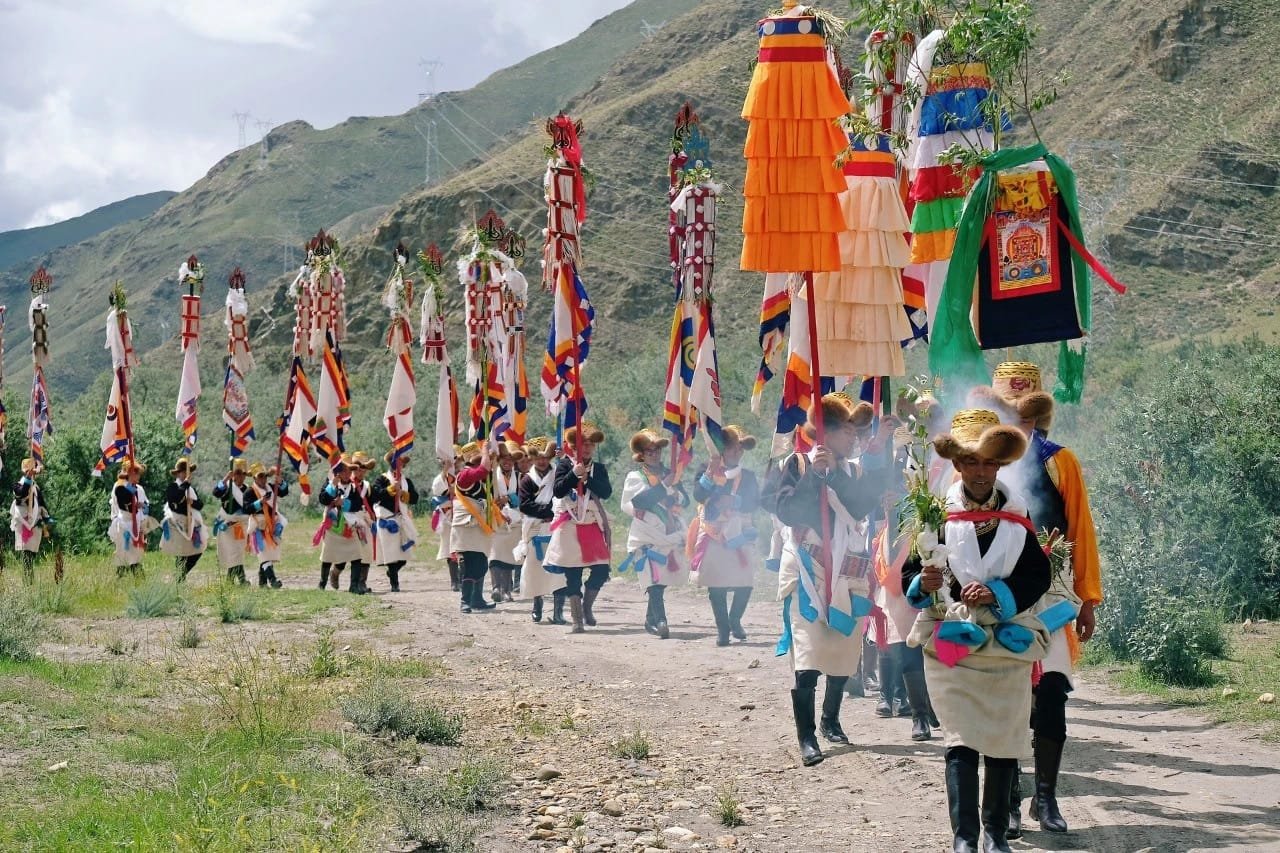
Cultural and Spiritual Significance of Karma Dunba The Karma Dunba festival holds profound cultural and spiritual significance within Tibetan society, serving as both a religious observance and a communal celebration. Central to this festival is the veneration of the Yarlung Tsangpo River, often referred to as the ‘cradle of Tibetan civilization.’ This river is not...Read More
Introduction to the Ganden Thangka Unveiling Festival The Ganden Thangka Unveiling Festival is a significant religious event that plays an integral role in the spiritual fabric of Tibetan Buddhism. Typically held at the Ganden Monastery, located near Lhasa, this festival celebrates both the artistic and the cultural heritage of Tibetan practices. The festival often coincides...Read More
Understanding the Significance of Saga Dawa The Saga Dawa festival holds profound spiritual significance in Tibetan culture, marking a pivotal time of reflection and celebration within the Buddhist calendar. This festival is particularly notable for commemorating the key events in the life of the Buddha—his birth, enlightenment, and parinirvana (passing away). For practitioners of Tibetan...Read More
Introduction to Shoton Festival The Shoton Festival, commonly referred to as the Yogurt Festival, stands as a hallmark of Tibetan culture, embodying the rich traditions and vibrant celebrations characteristic of this region. Originating in the 11th century, the festival has its roots in the practice of Tibetan monks who would partake in yogurt at the...Read More
Understanding Losar: The Significance of the Tibetan New Year Losar, the Tibetan New Year, holds profound significance within Tibetan culture, serving as a time of renewal, reflection, and community. Its origins can be traced back to ancient agricultural practices, primarily linked to the lunar calendar. Historically, Losar marks the end of winter and the beginning...Read More
The Historical Roots of Shoton Festival The Shoton Festival, also known as the Yogurt Festival, boasts a rich heritage that reflects the spiritual and cultural evolution of Tibet. Its origins can be traced back to ancient Tibetan traditions where it was primarily a religious observance. Initially, the festival was celebrated to commemorate the end of...Read More