Introduction to Mount Lhotse Mount Lhotse stands as an emblem of natural grandeur, recognized as the fourth-highest mountain globally, with an impressive elevation of 8,516 meters (27,940 feet). Situated in the Himalayas, specifically within the Mahalangur Himal range, Lhotse’s importance transcends mere altitude; it is an integral part of the majestic Himalayan landscape that captures...Read More
Overview of Kangchenjunga Kangchenjunga, towering at an impressive 8,586 meters (28,169 feet), is distinguished as the third-highest mountain in the world. This majestic peak, located in the eastern Himalayas, holds a prominent place in the hearts of mountaineers and nature enthusiasts alike. Its geographical significance is profound, as it straddles the border between Nepal and...Read More
Introduction to Mount K2 Mount K2, (乔戈里) standing at an impressive height of 8,611 meters (28,251 feet), is renowned as the second-highest mountain in the world, following Mount Everest. Commonly referred to as Mount Godwin-Austen or Chogori, this majestic peak is located in the Karakoram mountain range, straddling the boundary between Pakistan and China. Its...Read More
Introduction to Mount Everest Mount Everest, famously recognized as the highest mountain on Earth, holds significant cultural and geographical importance, referred to as Sagarmatha in Nepal and Qomolangma in Tibet. Standing at an impressive elevation of 8,848.86 meters (29,031.7 feet) above sea level, Mount Everest draws the attention of climbers, researchers, and adventurers worldwide, eager...Read More
Introduction to Tibetan Rivers The landscape of Tibet is characterized by its towering mountains and vast plateaus, making it a unique geographic region that serves as a crucial watershed for many of Asia’s most significant rivers. Known as the “Roof of the World,” Tibet is recognized as the source of numerous rivers, including the Indus,...Read More
The Origin of the Karnali River The Karnali River, an essential tributary within the Ganges river system, finds its origins in a region renowned for its spiritual and geographical significance. Awash with cultural heritage, the river begins its journey from the pristine landscapes surrounding Lake Manasarovar and the majestic Mount Kailash, both situated in Western...Read More
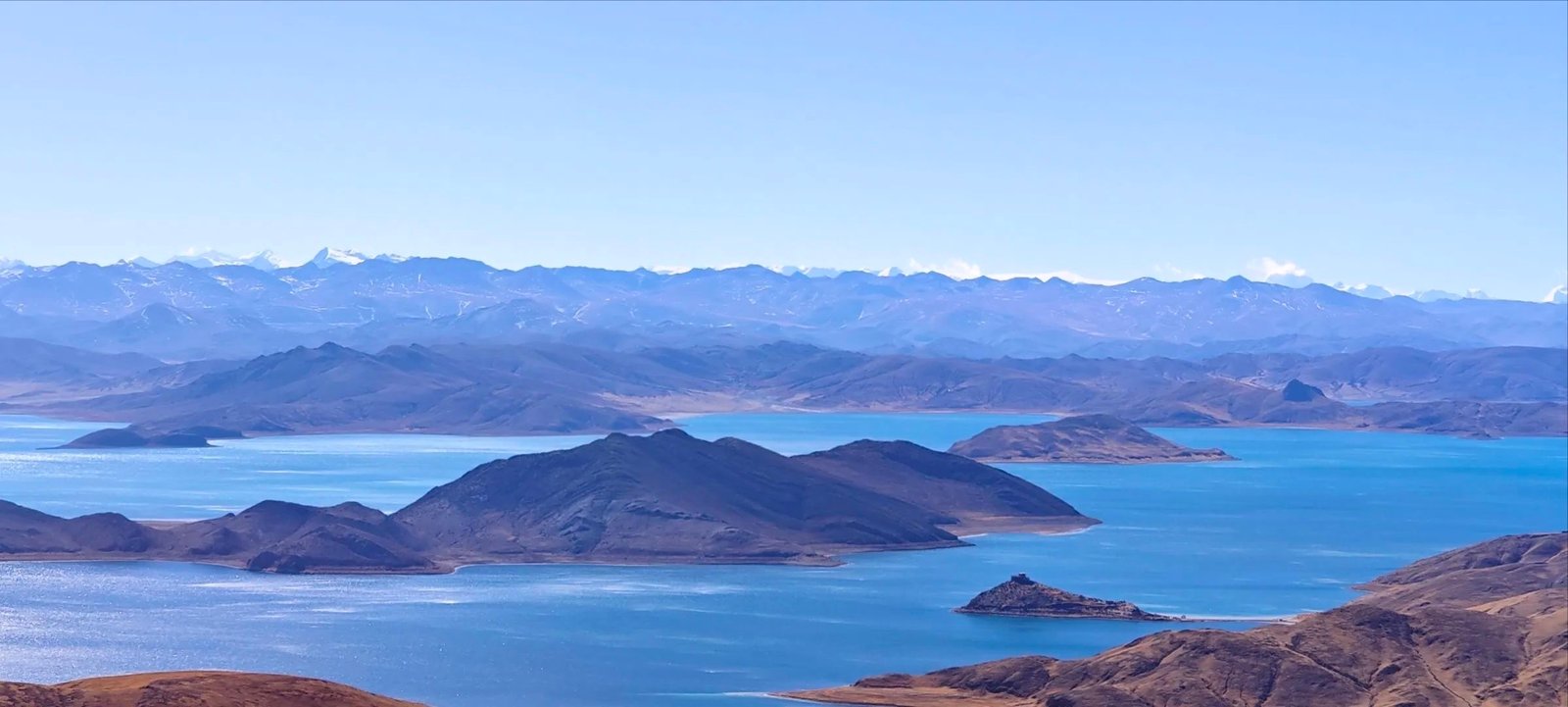
Location and Geography of Yamdrok Lake Yamdrok Lake, one of the most breathtaking natural wonders of the Tibetan Plateau, is situated in the Shannan Prefecture of Tibet, approximately 70 kilometers (43 miles) southwest of Lhasa, the capital city of the Tibetan Autonomous Region. This lake is positioned at an impressive altitude of about 4,441 meters...Read More
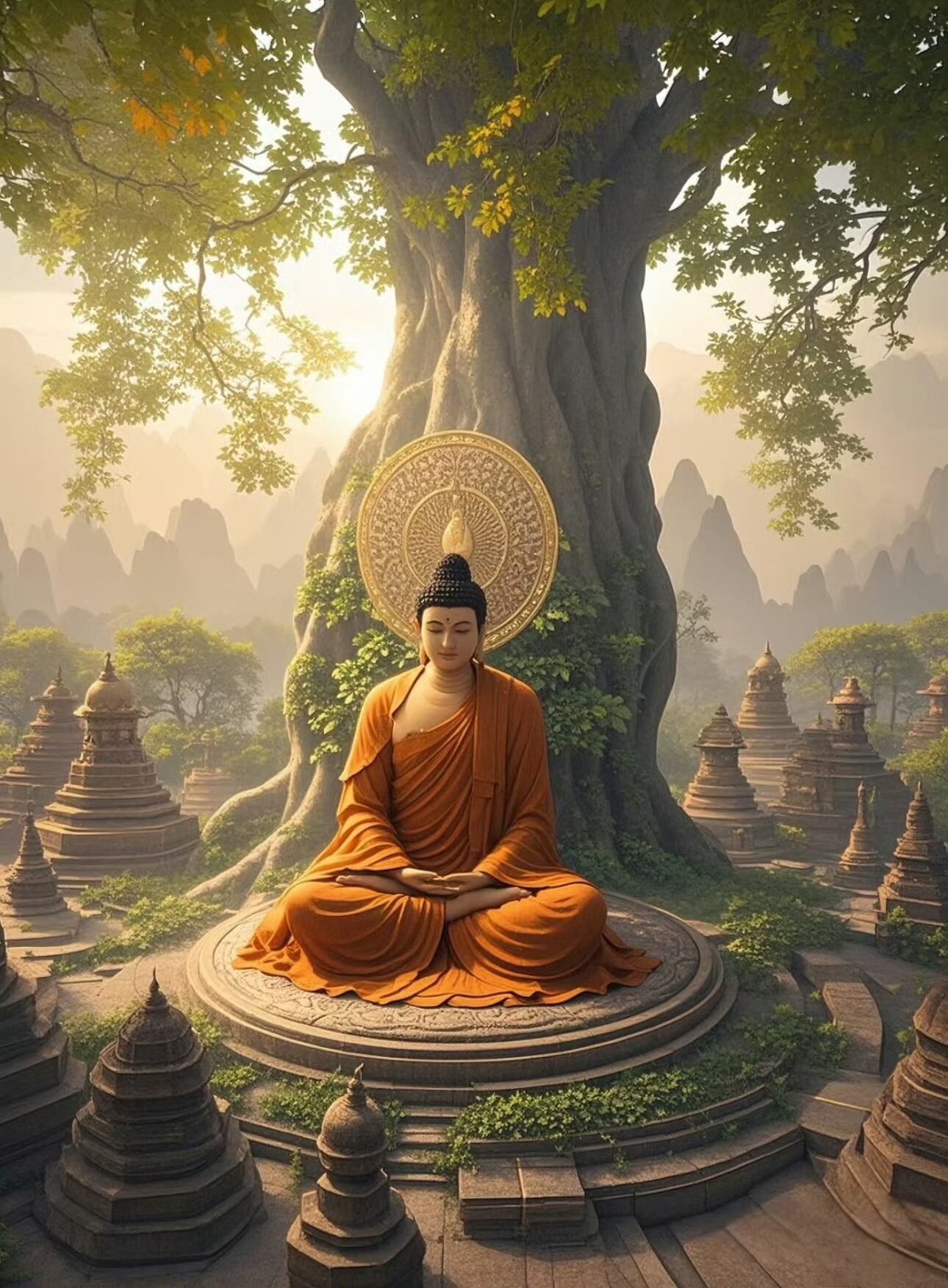
Foundational Principles in Tibetan Buddhism Tibetan Buddhism, with its rich tapestry of teachings and traditions, is underpinned by essential Buddhist principles that are foundational across all its schools. At the heart of these principles lie the Four Noble Truths, which serve as the cornerstone of Buddhist philosophy. The first truth acknowledges the presence of suffering,...Read More
Origins of the Gelug Tradition The Gelug tradition, also known as the New Kadam, emerged in the early 15th century under the visionary guidance of Je Tsongkhapa, who formally established this influential school in 1409 CE. Rooted in the rich tapestry of Tibetan Buddhism, the Gelug school arose as a significant reform movement, responding to...Read More
The Origins of Sakya: A Historical Perspective The Sakya tradition of Tibetan Buddhism was established in 1073 CE by Khön Könchok Gyalpo, marking a significant moment in the history of Tibetan religious practice. The term “Sakya” literally translates to “pale earth,” a reference to the distinctive color of the soil in the region where the...Read More