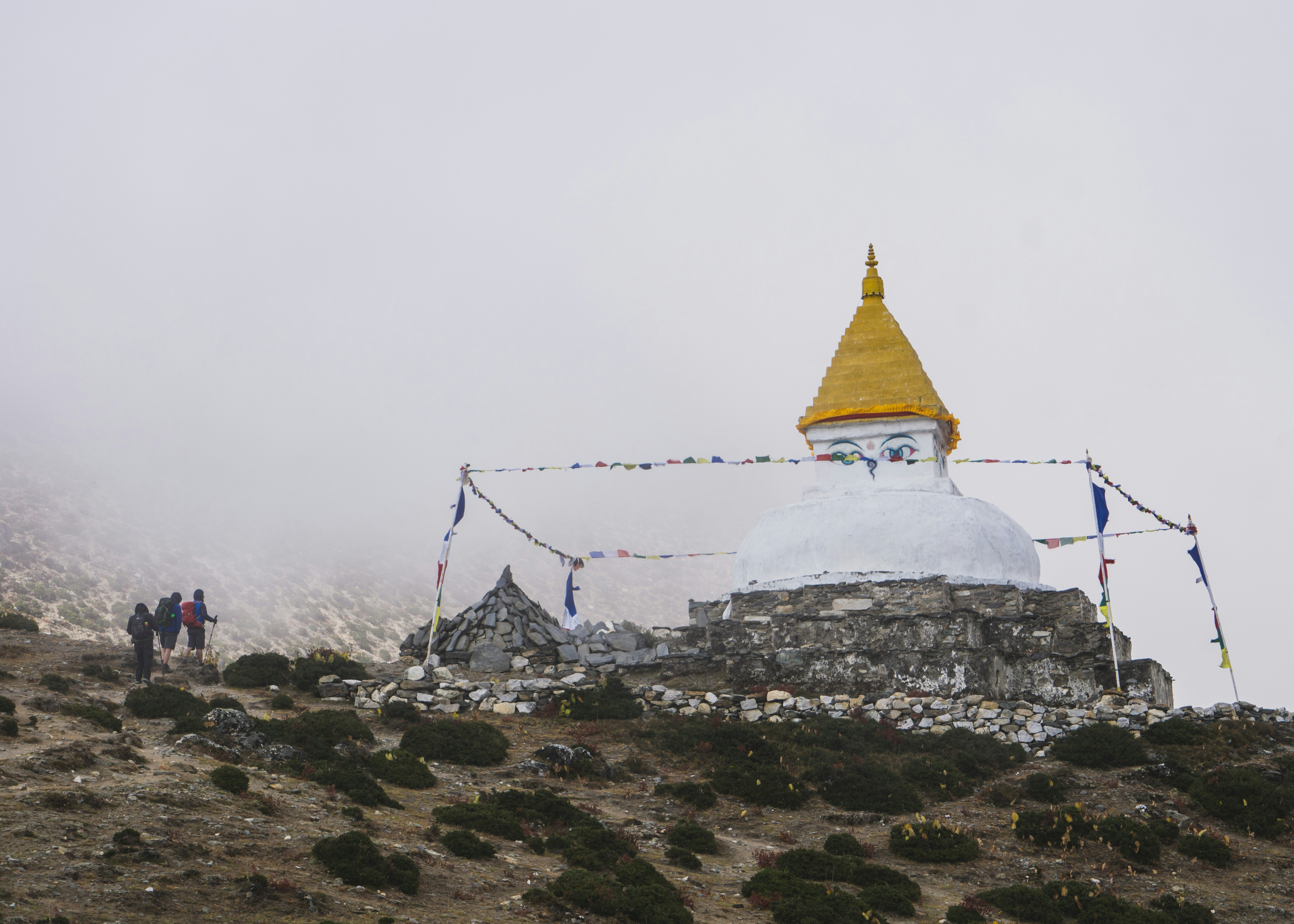
Introduction to Mount Kailash and Its Significance
Mount Kailash, standing majestically at an elevation of 6,638 meters (21,778 feet) in the Tibetan region of Ngari, is often recognized as one of the most sacred mountains in the world. Its distinctive, pyramid-like shape and stark white snow-capped peaks lend it an ethereal quality, making it a notable landmark in the Transhimalaya mountain range. This mountain is not merely a geographical entity; it holds profound spiritual significance across several religions, including Hinduism, Buddhism, Jainism, and the ancient Bon religion.
For Hindus, Mount Kailash is believed to be the abode of Lord Shiva, a primary deity who embodies both destruction and regeneration. It is said that those who pilgrimage to this sacred mountain have their sins absolved and can attain liberation, or moksha, from the cycle of birth and rebirth. Similarly, Buddhists regard the mountain as a sacred site, considering it a manifestation of the cosmic axis where human consciousness resonates with the universe. Jainism views Mount Kailash as the site where the first Tirthankara, Rishabhanatha, attained liberation, further solidifying the mountain’s importance within spiritual contexts.
The mountain also plays a vital role in Bon tradition, representing the center of the universe. Legends and myths surrounding Mount Kailash add to its allure, with narratives that explain its creation and the divine presence associated with it. Pilgrims undertake the act of circumambulating the mountain, known as ‘Kora,’ which encompasses a challenging 52-kilometer trek that is often completed in three days. This ritual is viewed as an essential aspect of devotion, providing the opportunity for spiritual reflection and connection.
Thus, Mount Kailash stands as a confluence of faith, geography, and personal journey, making it an enduring and revered pilgrimage destination for countless individuals seeking spiritual enlightenment.
Preparing for the Pilgrimage: Essentials and Considerations
Embarking on the pilgrimage around Mount Kailash is a profound spiritual and physical challenge that requires careful preparation. Before setting off, potential pilgrims should consider both physical and mental readiness. Regular cardiovascular training, such as hiking or walking, can immensely benefit one’s endurance, as the journey spans approximately 52 kilometers (32 miles) and often involves steep ascents and descents. It is also vital to engage in strength training, focusing on the legs and core, to build the necessary strength for this demanding trek.
Acclimatization is crucial given Mount Kailash’s altitude, which stands at around 6,638 meters (21,778 feet). Pilgrims should plan for gradual altitude exposure, spending several days in the region before starting the trek. Symptoms of altitude sickness, such as headaches and nausea, can be severe, necessitating a listening ear to one’s body. Engaging in light exercise and staying hydrated can help ease the body into its new environment.
In terms of packing, the essentials include appropriate clothing—layers that can accommodate fluctuating temperatures—sturdy trekking shoes, and protective gear for both sun and rain. Carefully chosen food items that are lightweight and nutritious, such as energy bars and dried fruits, can provide necessary sustenance on the trail. Personal items, including a first aid kit, water purification tablets, and a reusable water bottle, are also critical for maintaining well-being throughout the journey.
The best seasons for undertaking this sacred pilgrimage are late spring to early autumn, as the weather conditions are typically milder and drier. The average duration of the trek ranges from 10 to 15 days, depending on the chosen route and one’s pace. Finally, prospective pilgrims must ensure they are aware of any required permits or regulations to avoid setbacks on their sacred undertaking.
The Trekking Experience: Route, Highlights, and Challenges
The pilgrimage around Mount Kailash, known as the Kora, is not only a spiritual journey but also a physically demanding trek that attracts thousands of pilgrims and trekkers each year. Spanning approximately 52 kilometers, the circular route encapsulates some of the most remarkable highlights of the region, including Lake Manasarovar, a sacred body of water revered in Hinduism and Buddhism. The journey typically begins from Saga, where pilgrims make their way to the base of the mountain, continuing through stunning landscapes that showcase the stark beauty of the Tibetan plateau.
Along the Kora, several significant landmarks punctuate the experience. Key sites include the Drirapuk Monastery, known for its captivating views of the north face of Mount Kailash, and the Zhulopuk Monastery, where many pilgrims stop to rest and reflect. These monasteries serve as havens for contemplation, offering spaces for prayer and spiritual connection amidst the rigors of the trek. The juxtaposition of serene religious sites against the rugged terrain enhances the overall pilgrimage experience.
However, the trek is not without its challenges. Trekking at high altitudes can lead to altitude sickness, which affects many pilgrims. Symptoms may include headaches, nausea, and fatigue, making acclimatization essential. Pilgrims are advised to pace themselves, taking time to adjust to the changing altitude. Additionally, the unpredictable weather conditions in the region can further complicate the trek, with sudden rain or snow potentially affecting visibility and mobility.
Daily routines during the Kora involve early rises for prayer and meditation, followed by the physically taxing journey that may last several hours each day. This combination of physical exertion and spiritual devotion encapsulates the essence of the pilgrimage, making the trek around Mount Kailash a profound and transformative experience for all who undertake it.
Reflections and Spiritual Growth from the Pilgrimage
The pilgrimage around Mount Kailash represents not merely a physical journey but a profound exploration of one’s inner self and spirituality. As travelers embark on this sacred trek, they often find a unique opportunity for reflection and personal growth. Many pilgrims report experiencing a deep sense of inner peace, as the majestic landscapes and serene environment encourage contemplation and mindfulness. The act of walking the kora, a traditional circumambulation of the mountain, becomes a meditative practice that facilitates spiritual awakening and renewal.
Throughout the journey, pilgrims encounter moments that resonate deeply with their personal beliefs and experiences. Anecdotes highlight how individuals have faced physical challenges that mirrored their emotional and spiritual struggles. For instance, a traveler may confront fatigue and self-doubt during the trek, only to emerge with a newfound strength and clarity. This mirror effect serves as a catalyst for transformation, often leading participants to reassess their lives and priorities upon completion of the pilgrimage.
The communal aspect of the pilgrimage also contributes significantly to its impact on spiritual growth. Pilgrims from diverse backgrounds and faiths come together, united by a shared purpose. This camaraderie fosters a supportive environment where individuals can exchange stories, offer encouragement, and share moments of vulnerability. Many find that the bonds created during this journey are as meaningful as the pilgrimage itself, reinforcing a sense of belonging and shared spirituality that transcends cultural differences.
Moreover, from the ethereal landscapes surrounding Mount Kailash to the profound rituals performed along the way, every aspect of the pilgrimage serves to heighten the spiritual experience. The journey not only strengthens one’s connection to faith but also enhances appreciation for the broader experience of life. Ultimately, pilgrimage is a transformative journey, where travelers leave behind the old and emerge renewed, ready to embrace the world with a deeper understanding of themselves and their spirituality.
Leave a Reply