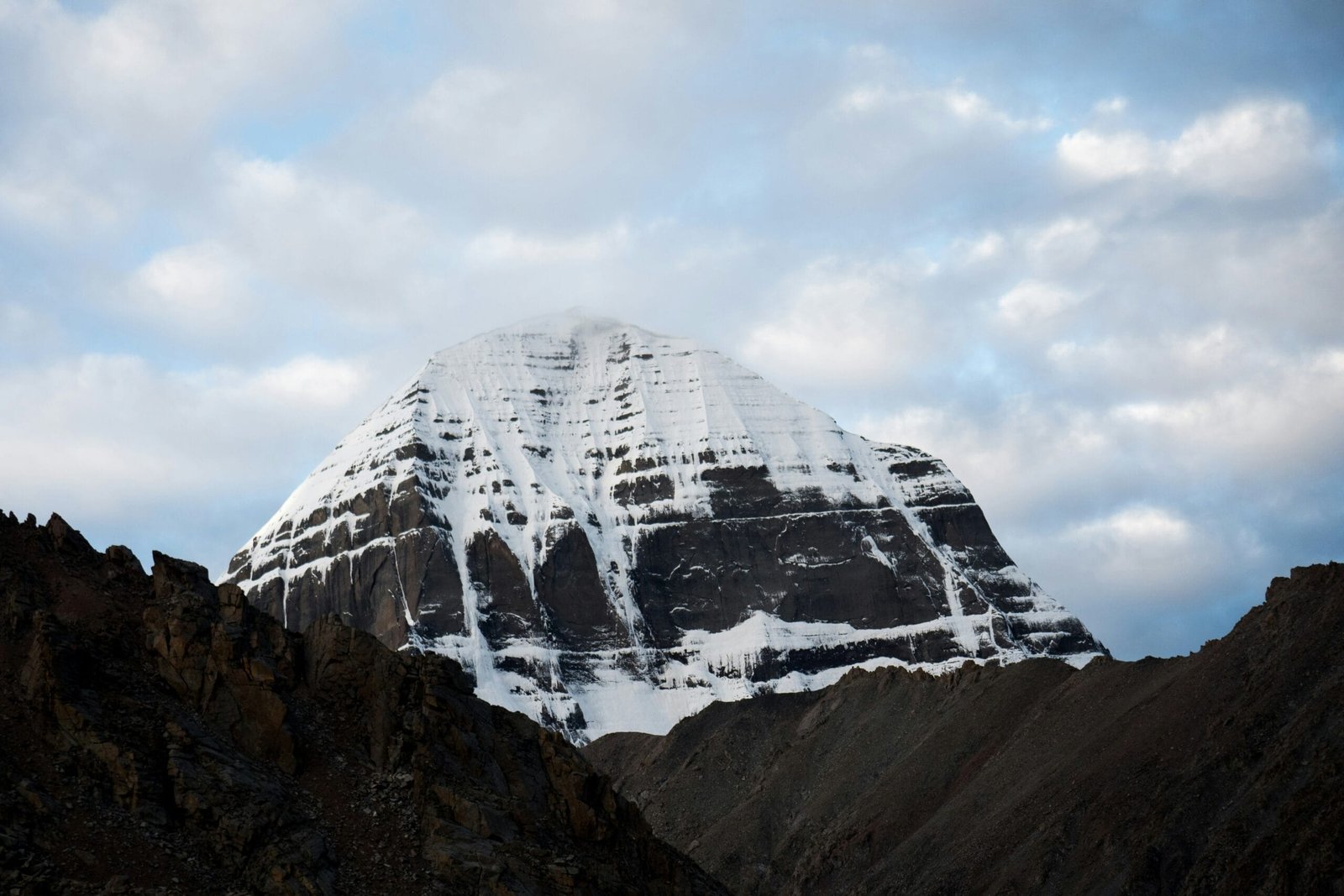
Understanding the Climate and Seasons at Mount Kailash
Mount Kailash, a revered pilgrimage site for Hindus, Buddhists, Jains, and Bon practitioners, experiences a unique climate that varies significantly from season to season. Understanding these seasonal changes is crucial for planning a successful pilgrimage, as the weather conditions can profoundly impact travel experiences.
Winter, spanning from November to March, brings harsh and frigid temperatures to Mount Kailash. During this period, the average temperature often drops below freezing, making it extremely challenging for pilgrims. Heavy snowfall can occur, particularly in December and January, leading to treacherous trekking conditions. The trails are often covered with thick layers of snow and ice, limiting accessibility and necessitating specialized gear. Thus, while the majestic landscape may be striking in its winter disguise, this season is generally not advisable for travel.
In contrast, the spring months of April and May present a stark shift in climate. Temperatures begin to rise, with daytime averages ranging from 10°C to 20°C, creating more favorable trekking conditions. However, early spring can still experience snow, and the paths may remain icy. By late May, the region is generally clear of significant snow, making it a popular choice for pilgrims embarking on their journey.
Summer, from June to August, offers the warmest conditions, with temperatures reaching up to 25°C. This is the prime pilgrimage season, as clear skies afford breathtaking views of the sacred mountain. Despite the warmth, travelers should be prepared for occasional rainstorms, particularly in July. The increased accessibility during this season makes it the most popular time for visitors, leading to a vibrant pilgrimage atmosphere.
As autumn approaches in September and October, temperatures begin to cool again, yet conditions remain favorable for travel. The autumn months can offer clear skies and stunning views, while the cooler temperatures serve as a reminder of the approaching winter, thus enabling a unique travel experience at Mount Kailash.
May to October: The Ideal Time for Pilgrimage
The months from May to October are widely recognized as the optimal period for undertaking a pilgrimage to Mount Kailash. During this time frame, the weather remains relatively mild, allowing pilgrims to navigate the region’s challenging terrain with greater ease. Temperatures gradually rise in May, reaching their peak during the summer months of June to August. Pilgrims can expect pleasant, clear skies, making their journey not only more comfortable but also more visually rewarding as the stunning landscapes of the Himalayas are on full display.
Accessibility significantly improves in these warmer months as well. The harsh winter conditions, characterized by heavy snowfall and freezing temperatures, can make the trails treacherous or completely impassable. By late spring, the melting snow reveals paths that had been otherwise hidden during the cold months. This increased accessibility is crucial for the many pilgrims who undertake the demanding Kora trek around Mount Kailash, a journey steeped in spiritual significance.
Furthermore, the summer months attract a larger community of fellow travelers, fostering a sense of camaraderie among pilgrims. The shared experience of undertaking such a meaningful journey provides both motivation and emotional support, which can be invaluable along the arduous trek. Pilgrims can take advantage of this social aspect by forming groups or joining guided tours, thereby enhancing their overall experience.
During these peak months, particularly from June to August, the surrounding flora flourishes, and the vibrant colors of the region add to its natural beauty. The combination of favorable weather, improved accessibility, and the opportunity to connect with fellow pilgrims makes the period from May to October an ideal time for a pilgrimage to Mount Kailash.
Avoiding the Risks of Winter Travel
Embarking on a pilgrimage to Mount Kailash during the winter months presents numerous challenges that can pose significant risks to travelers. Heavy snowfall is one of the primary concerns; it can obstruct roads, making access to the region difficult and sometimes impossible. Pilgrims may find themselves stranded due to snow accumulation, which can also hinder rescue efforts should an emergency arise. The harsh weather conditions prevalent during winter often include frigid temperatures that can plunge well below freezing, increasing the likelihood of frostbite and hypothermia for those unprepared for such extreme climates.
Additionally, the thin air at high altitudes compounds the issues associated with winter travel. The extreme cold can exacerbate symptoms of altitude sickness, which affects many travelers visiting Mount Kailash. Signs such as headaches, dizziness, and nausea are common at elevations above 3,000 meters. In winter, the physical toll of both altitude and temperature can become overwhelming, demanding a level of fitness and acclimatization that many pilgrims may not possess.
Planning is crucial for any pilgrimage, and this is especially true for those considering winter visits to Mount Kailash. It’s advisable for potential travelers to consider the inherent risks and challenges associated with winter, as these factors can diminish the experience and jeopardize safety. Choosing to visit during more temperate months—typically from late spring to early autumn—allows pilgrims to encounter the region’s breathtaking beauty while minimizing the threats posed by adverse weather conditions. The increased daylight and milder temperatures significantly improve the likelihood of a safe and successful journey.
Cultural and Spiritual Significance of the Pilgrimage Season
The pilgrimage to Mount Kailash holds profound cultural and spiritual significance for devotees from various traditions, particularly during the warmer months between May and October. This period coincides with the peak of the pilgrimage season, marked by favorable climatic conditions that facilitate travel to this sacred site. The choice of timing is key, as it aligns with favorable weather and aligns with several important religious festivals that enhance the overall experience of the journey.
Among the festivals that occur during these months are the Saga Dawa and the annual Kalachakra empowerments, which attract thousands of pilgrims. Saga Dawa, celebrated by Tibetan Buddhists, marks the birth, enlightenment, and parinirvana of Gautama Buddha. Pilgrims make their way to Mount Kailash in droves, engaging in kora—a circumambulation of the mountain—as a demonstration of reverence and devotion. This spiritual act is believed to cleanse one’s negative karma and brings profound blessings.
Additionally, many Hindu devotees consider the pilgrimage to be a journey of self-discovery and purification. They believe that reaching the summit of their spiritual aspirations culminates at Kailash, the abode of Lord Shiva. For followers, embarking on this pilgrimage signifies a deeper connection to their faith and a manifestation of their spirituality.
The pilgrimage season not only serves to fulfill spiritual aspirations but also strengthens community bonds among the participants. Pilgrims often travel in groups, sharing experiences and stories that enhance their journey. This cultural aspect fosters camaraderie and reinforces traditional practices, thus enriching the overall pilgrimage experience. It is this unique interplay between spirituality and culture that makes the pilgrimage season at Mount Kailash truly special, drawing individuals seeking peace, enlightenment, and community under the celestial peaks.
Leave a Reply