The Ancient Craft of Tibetan Papermaking: History, Materials, and Cultural Significance
Historical Background of Tibetan Papermaking The craft of papermaking in Tibet has a storied history that dates back to the 7th century. This ancient practice was introduced to the region when Princess Wencheng, a…

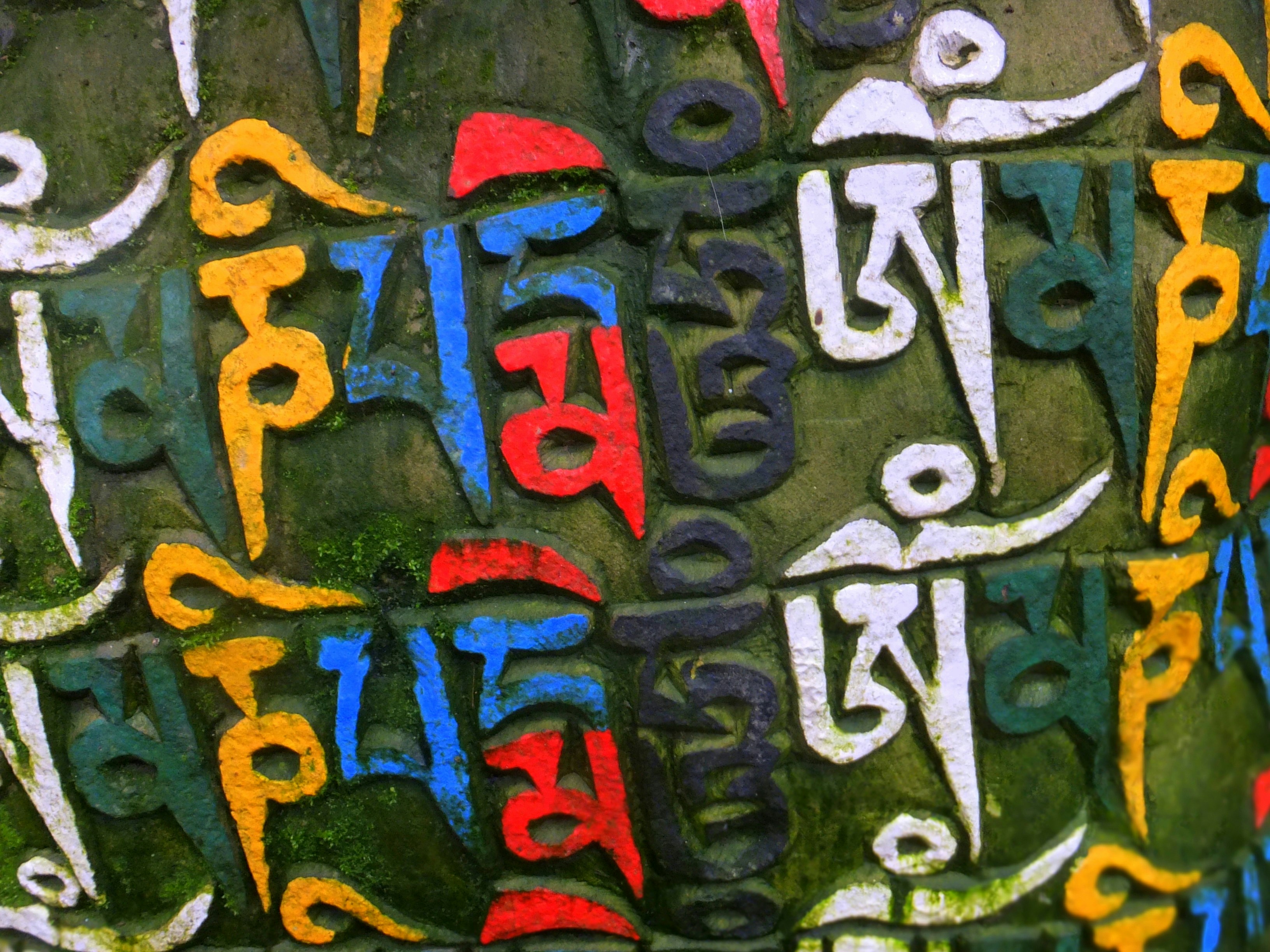
The Rich History and Cultural Significance of the Tibetan Script and Language
Origins of the Tibetan Script The Tibetan script, recognized as a crucial element of Tibetan culture and heritage, can trace its origins back to around 620 CE during the reign of King Songtsen Gampo.…

Trekking to Rongbuk Monastery: A Journey to the World’s Highest Monastery
Historical and Spiritual Significance of Rongbuk Monastery Rongbuk Monastery, established in 1902 by Lama Ngawang Tenzin Norbu, holds a prominent place in the pantheon of Tibetan Buddhism. Nestled at the foothills of Mount Everest,…
The Monlam Prayer Festival: A Celebration of Tibetan Buddhism
Historical Background of the Monlam Prayer Festival The Monlam Prayer Festival, known as the Great Prayer Festival, has its origins in the early 15th century, specifically 1409, when it was established by Je Tsongkhapa,…

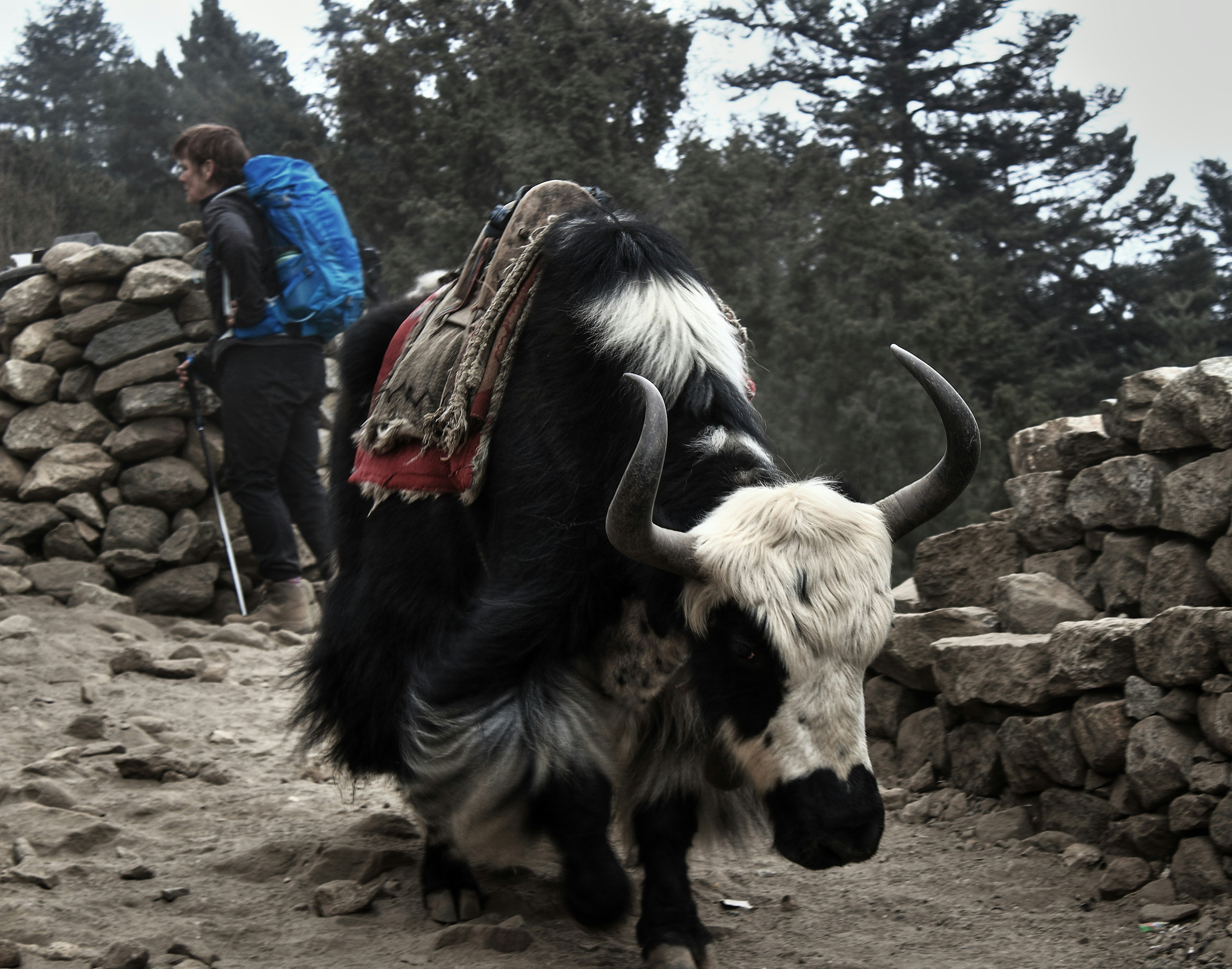
Yaks: Pillars of Tibetan Culture and Economy
Cultural Importance: A Symbol of Tibetan Identity Yaks hold a revered position in Tibetan culture, serving as more than mere livestock; they symbolize resilience and embody the deep connection between the Tibetan people and…
The Vibrant Cham Dance: A Sacred Tradition in Tibetan Buddhism
Origins and Significance of the Cham Dance The origins of the cham dance can be traced back to the 6th century, emerging as a unique cultural and religious expression within Tibetan Buddhism. It is…