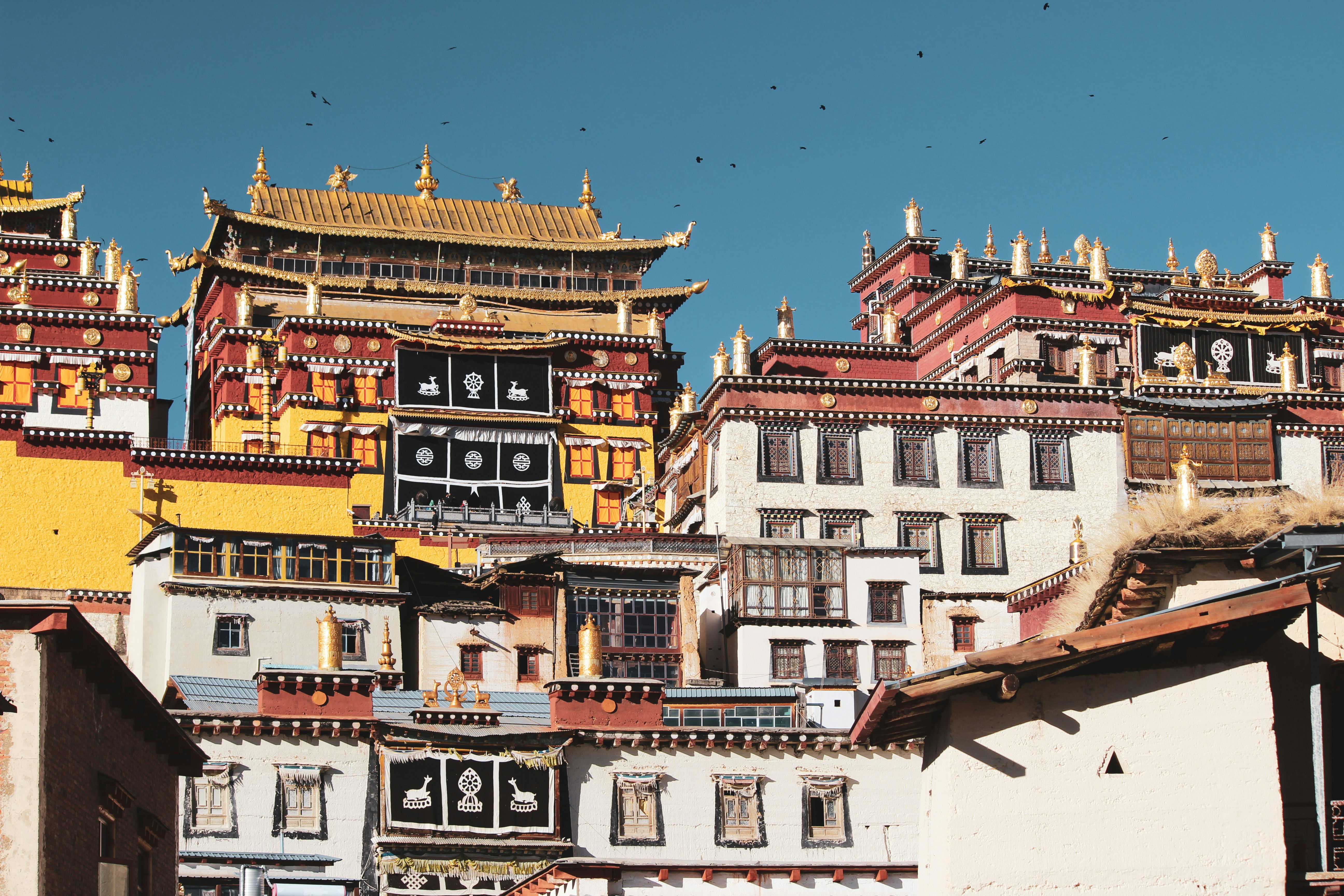
The Role of Buddhism in Tibetan Society and Culture
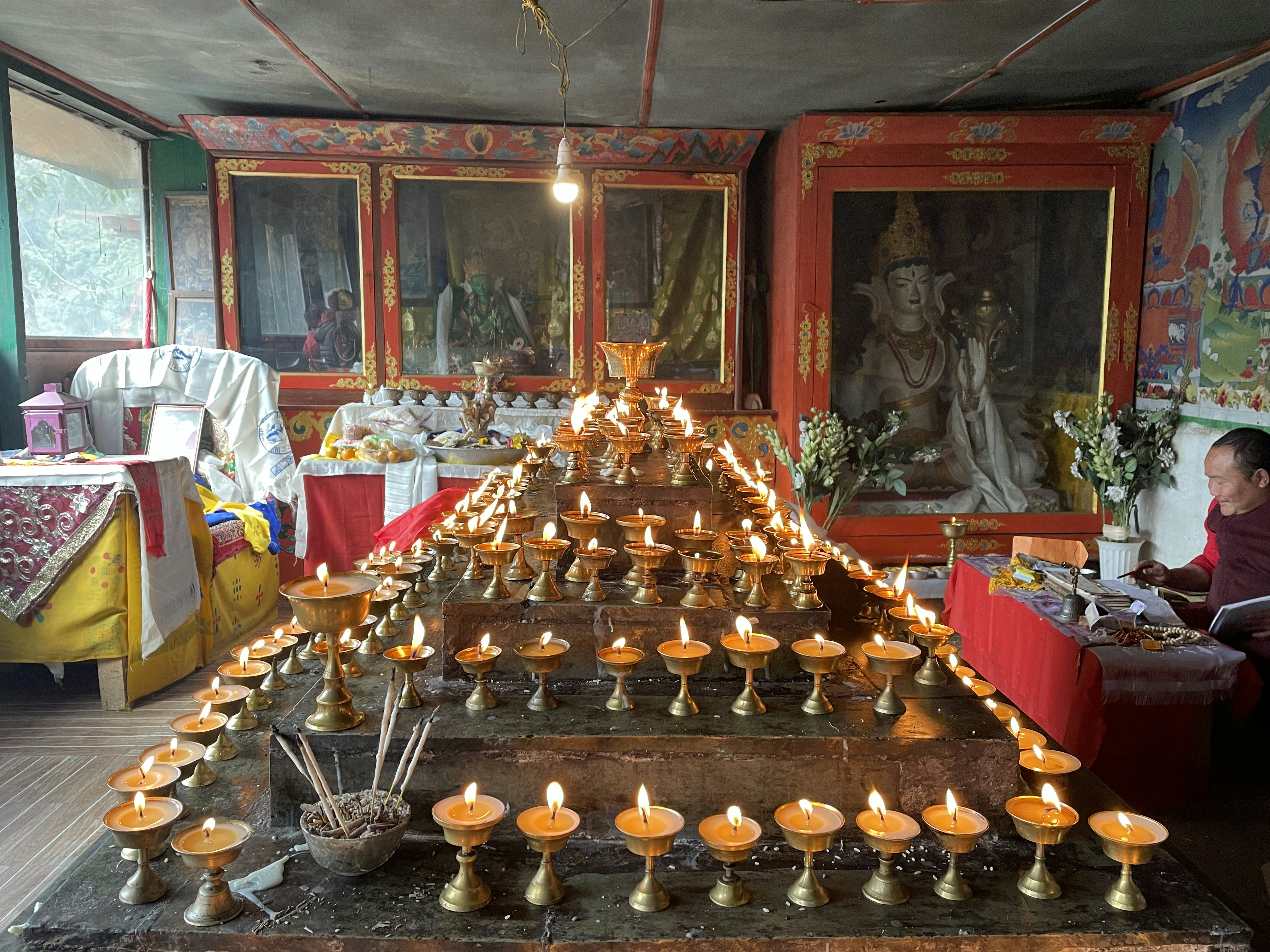
Historical Background of Buddhism in Tibet Buddhism’s introduction to Tibet has profound historical implications, tracing its roots back to India in the 7th century. The initial phase of this spiritual transmission can be attributed…
Himalayan Trekking: The Most Beautiful Routes in Tibet
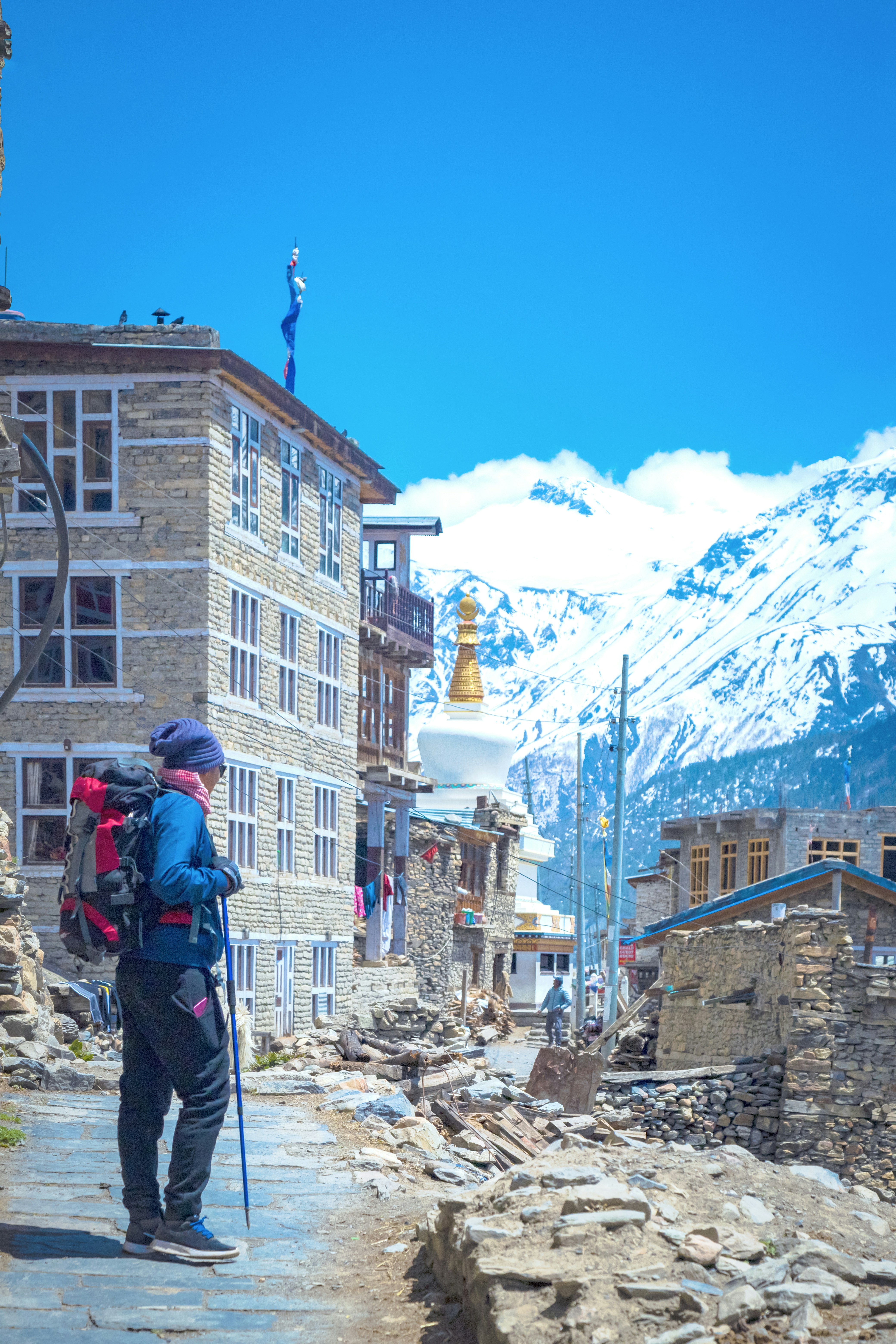
Introduction to Himalayan Trekking in Tibet Trekking in the Himalayan region of Tibet presents an unparalleled opportunity for adventurers and nature enthusiasts to immerse themselves in one of the most breathtaking landscapes in the…
The Saga Dawa Festival: Meaning and Celebrations in Tibet
Understanding the Significance of Saga Dawa The Saga Dawa festival holds profound spiritual significance in Tibetan culture, marking a pivotal time of reflection and celebration within the Buddhist calendar. This festival is particularly notable…
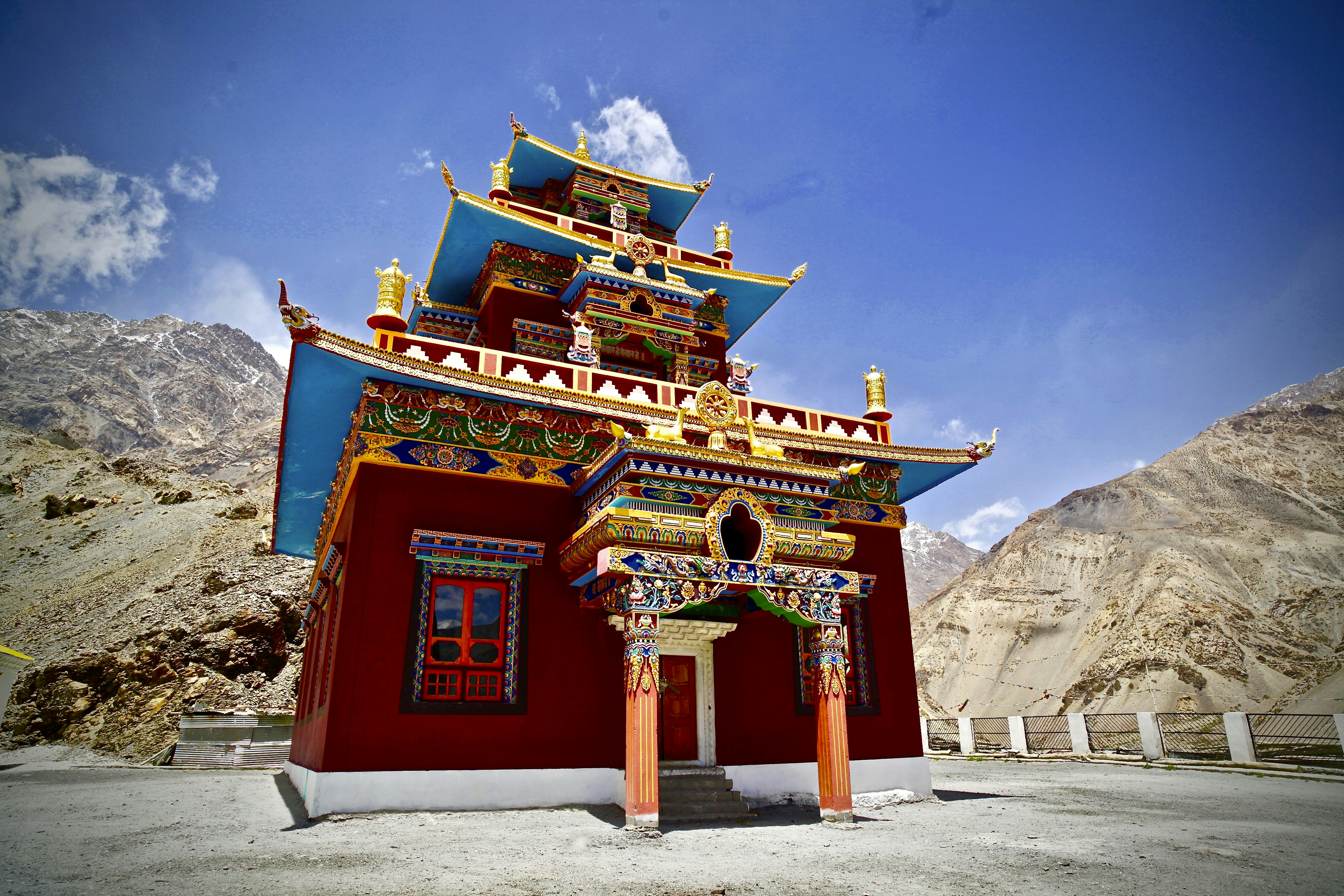
The Unique Architecture of Ramoche Temple: A Blend of Han and Tibetan Elements
Introduction to Ramoche Temple Ramoche Temple, regarded as one of Tibet’s earliest and most significant religious structures, was established during the Tubo period in the 7th century. This remarkable temple serves not only as…
The Yungdrung: Understanding the Sacred Symbol in Tibetan Buddhism and Its Misinterpretations
The Yungdrung Symbol: Origin and Meaning The Yungdrung symbol holds significant importance within Tibetan Buddhism and the Bön religion, representing concepts integral to these spiritual traditions. The term ‘yungdrung’ is derived from two components:…
Visiting the Potala Palace: History and Architecture of the Dalai Lama’s Seat
The Historical Significance of Potala Palace The Potala Palace, an iconic structure in Lhasa, Tibet, holds substantial historical significance that can be traced back to the 7th century. It was initially built by King…