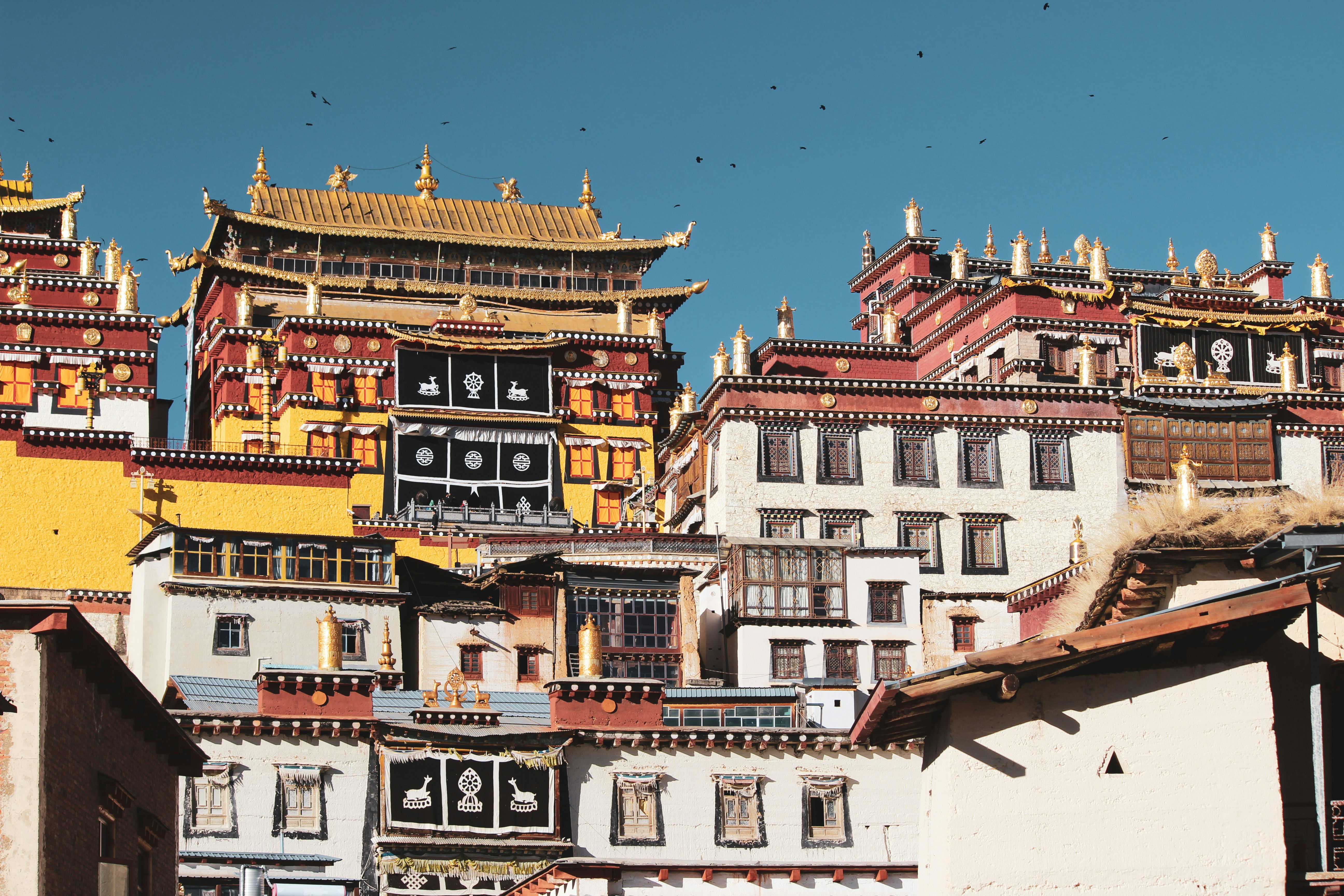
The Historical Significance of Potala Palace
The Potala Palace, an iconic structure in Lhasa, Tibet, holds substantial historical significance that can be traced back to the 7th century. It was initially built by King Songtsen Gampo, who was instrumental in the unification of Tibet and the introduction of Buddhism to the region. The palace served as a symbol of political power as well as a spiritual center, asserting itself as the winter residence of the Dalai Lama. Throughout the centuries, the Potala Palace has not only been a home for the Dalai Lamas but also a focal point for Tibetan politics and religion, symbolizing the intersection of governance and spiritual leadership.
<pas a="" advanced,="" an="" and="" architectural="" architecture="" archive.
The modern history of the Potala Palace is marked by significant political events, especially during the Tibetan uprising in 1959, which showcased the intricate relationship between the Tibetan people and their leaders. As a response to political turmoil, the palace transitioned into a UNESCO World Heritage site, reflecting its global cultural importance. The preservation of this significant landmark has enabled visitors to appreciate the historical fabric of Tibet, replete with its challenges and triumphs. The Potala Palace remains a standing testament to Tibet’s rich history and continuing cultural heritage, inviting exploration and admiration from people around the world.
Architectural Marvel: Design and Structure
The Potala Palace stands as a remarkable example of architectural ingenuity, perched majestically on Marpo Ri Hill at an altitude of over 3,700 meters. This iconic structure is not only the traditional residence of the Dalai Lama but also a symbol of Tibetan culture and its historical significance. The design of the palace reflects a harmonious blend of Tibetan, Chinese, and Indian architectural styles, which showcases the unique cultural exchange that characterized the region.
The exterior of the Potala Palace is distinguished by its iconic white and red walls. The lower section is primarily white, symbolizing peace and serenity, while the upper portion is a striking red, representing the power and authority of the monk rulers. This duality in color usage enhances the visual appeal of the palace, contributing to its esteemed status within the Himalayan landscape. The intricate detailing of the windows, balconies, and roofs further illustrates the fusion of styles. Numerous chapels, adorned with intricate sculptures, paintings, and morphed patterns, encapsulate the spiritual essence of Tibetan Buddhism.
Another notable architectural feature is the extensive network of staircases that connect the various levels of the palace. Originally, these staircases were designed to facilitate movement among the eight floors of the palace, which also serve a practical purpose in the realm of defense and structural integrity. The building’s construction employs traditional materials such as wood, stone, and mud, merged together using time-honored techniques that have withstood the test of time. The strategic use of local materials ensures that the Potala Palace remains a resilient structure despite the harsh weather conditions in the region.
Overall, the Potala Palace not only serves as a vital symbol of Tibetan identity but also stands as a testament to the architectural prowess of its builders. Its innovative design and robust structure continue to inspire awe in visitors and scholars alike, highlighting the rich history and culture of Tibet.
Cultural and Religious Importance
The Potala Palace, renowned as the traditional seat of the Dalai Lamas, holds profound cultural and religious significance within Tibetan Buddhism. This architectural marvel not only captivates visitors with its sheer beauty but also serves as a vital symbol of Tibetan identity and spirituality. Built in the 7th century, the palace stands as a testament to Tibet’s rich history, exerting a powerful influence on both religious practices and cultural expressions.
At the heart of the Potala Palace are numerous chapels and religious artifacts that embody the essence of Tibetan Buddhism. The most prominent of these is the Buddha Shakyamuni chapel, which houses intricate statues, thangka paintings, and reliquaries that are revered by devoted pilgrims and tourists alike. Each chapel within the palace is adorned with carefully selected artifacts, showcasing the deep-rooted artistic traditions and spiritual values of the region. These relics not only serve as objects of veneration but also preserve the historical narratives and teachings that have shaped Tibetan Buddhism over centuries.
The Dalai Lama, as the spiritual leader of Tibetan Buddhism, plays a pivotal role in promoting and preserving Tibetan culture. His teachings emphasize compassion, non-violence, and the importance of community, reflecting the core values of Tibetan society. The Potala Palace, therefore, serves as a central location for religious gatherings and teachings, fostering a sense of unity among practitioners. Furthermore, the palace is a significant pilgrimage site for Buddhists, who travel from near and far to pay their respects and seek spiritual enlightenment within its hallowed halls.
In light of its historical and contemporary relevance, the Potala Palace continues to be a vital symbol of Tibetan identity. Its architectural grandeur and rich cultural heritage resonate deeply with both the local populace and the global community, underscoring its enduring role as a beacon of Tibetan Buddhism and cultural resilience.
Visiting Potala Palace: Tips and Travel Information
When planning a visit to Potala Palace, it is essential to prepare adequately in order to fully appreciate its historical and architectural significance. The best time to visit this iconic site is during the spring and autumn months, specifically from April to June and September to October, when the weather is mild and conducive to exploration. During peak summer months, Lhasa can become surprisingly warm, while winter brings colder temperatures.
Before embarking on your journey, ensure you acquire the necessary tickets and permits. Visitors are required to obtain an entrance ticket to Potala Palace, and it is advisable to book in advance, particularly during the peak tourist season. Additionally, travelers should be aware that special permits may be required to enter Tibet, so confirm with your travel agency regarding the latest regulations and procedures.
Respect for the cultural and spiritual significance of the Potala Palace is paramount. Visitors are encouraged to dress modestly and behave respectfully within the premises. Photography is permitted in certain areas, but be cautious of signage indicating restricted zones. Guides are often available for hire, providing insights into the rich history and architecture of this ancient structure, thus enhancing your understanding of its cultural relevance.
While exploring Potala Palace, consider extending your visit to other notable attractions in Lhasa. The Jokhang Temple, known for its spiritual atmosphere, and the bustling Barkhor Street, famous for its markets and local artisanal products, are highly recommended destinations. When it comes to transportation, taxis and local buses provide convenient options to navigate the city. For accommodation, various hotels ranging from budget options to more luxurious stays can be found nearby, catering to different preferences and ensuring a comfortable stay during your visit.
Leave a Reply