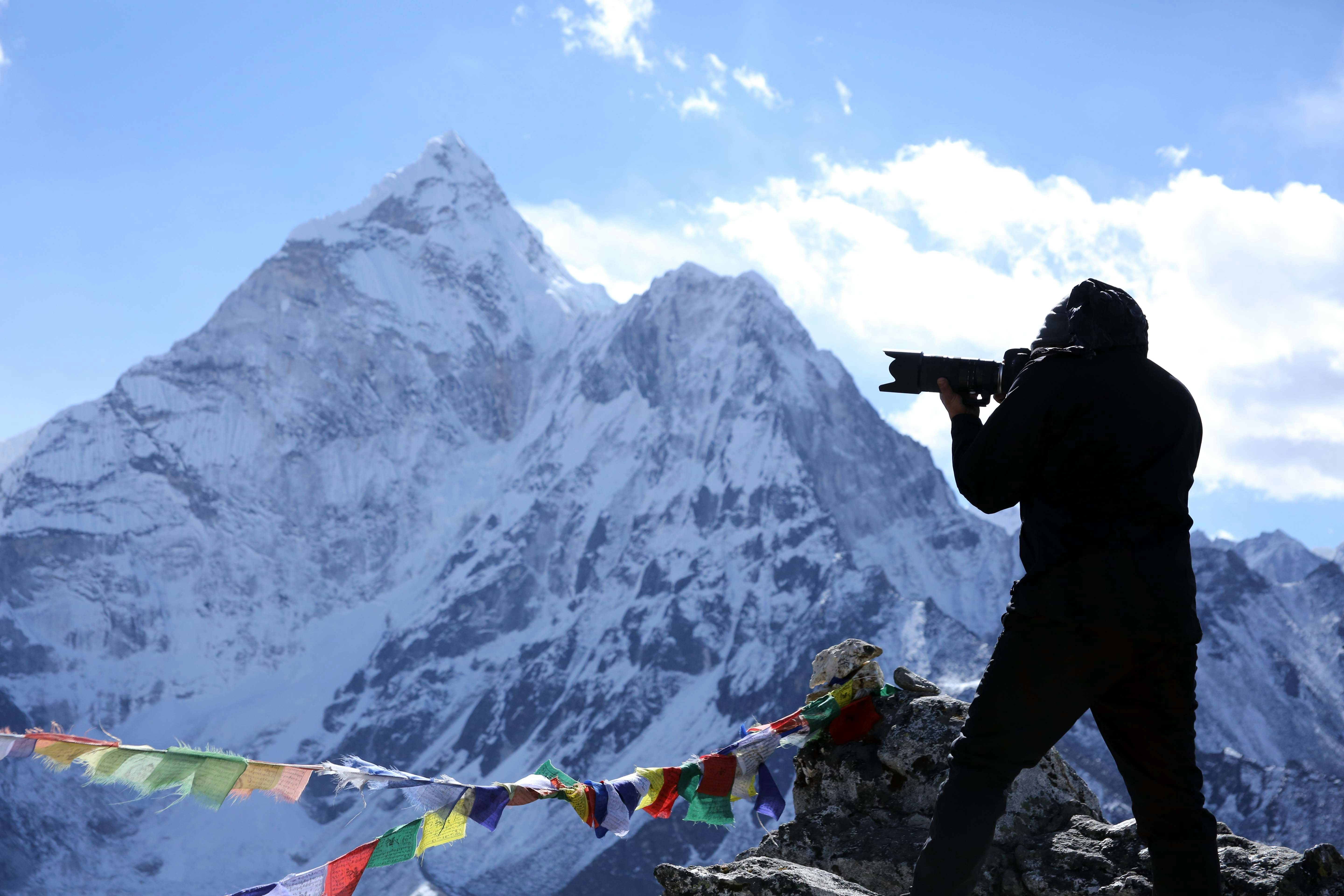
Introduction to Wildlife Photography in Tibet
Tibet is an extraordinary destination for wildlife photography, offering an unparalleled opportunity to explore the rich biodiversity that thrives within its expansive landscapes. Nestled amidst the majestic Himalayas, this unique region presents an array of habitats, from lofty mountains to lush valleys and alpine meadows, each supporting a variety of wildlife species. Photographers can capture the essence of elusive animals, such as the snow leopard, Tibetan antelope, and blue sheep, in their natural habitats.
The advantages of wildlife photography in Tibet extend beyond merely documenting species. Capturing images in this breathtaking environment invites photographers to witness and portray the intricate relationship between the region’s wildlife and its local culture. The Tibetan people hold deep-rooted spiritual connections with the natural world, often leading to compelling stories that intertwine with the flora and fauna. This relationship creates a rich tapestry of life that is waiting to be documented through the lens of a camera.
Moreover, the varying altitudes and climatic conditions in Tibet allow for a diverse range of photographic opportunities throughout the year. Each season unveils a new dimension of the landscape, providing vivid backdrops for wildlife encounters. Whether it is the vibrant hues of spring flowers attracting wildlife or the stark beauty of winter’s snow-covered terrain, Tibet encourages photographers to adapt their techniques and perspectives, ensuring that each visit offers fresh visual narratives.
In summary, photographing wildlife in Tibet is not solely about capturing images of elusive species; it is about immersing oneself in an ecosystem steeped in culture and awe-inspiring landscapes. As one embarks on this photographic journey, the goal becomes not only to document but to celebrate the unique symbiosis found in the Tibetan wilderness.
Top Locations for Wildlife Photography in Tibet
Tibet, with its stunning landscapes and rich biodiversity, offers many extraordinary locations for wildlife photography. Among these, Namtso Lake stands out as a prime destination. This breathtaking lake, located at an altitude of 4,718 meters, serves as a critical habitat for Tibetan antelopes and various migratory birds, making it an ideal spot for photographers aiming to capture elegant wildlife against a backdrop of pristine waters and majestic mountains. The best time to visit Namtso Lake is during the summer months when the weather is mild, and the flora is in full bloom, providing vibrant colors to enhance your photographs.
Another notable location is the Yarlung Tsangpo Grand Canyon. Renowned as one of the deepest canyons in the world, it boasts a unique biodiversity that attracts a variety of wildlife, especially in spring and autumn when many species are more active. Photographers may encounter rare species such as the golden monkey and a variety of birds of prey soaring above the rugged cliffs. The dramatic landscapes, featuring sheer rock faces and lush valleys, afford multiple vantage points for capturing breathtaking photographs of wildlife in their natural habitats.
Lastly, Qomolangma National Nature Preserve, encompassing regions like Golog and Yushu prefectures, is a haven for those interested in alpine wildlife. This vast area is home to unique species such as the snow leopard and the Tibetan wild ass, set against stunning backdrops of snow-capped peaks and rolling plains. The ideal time to explore this preserve is during the late spring and early summer when wildlife comes out of hibernation and the landscapes are particularly picturesque. Each location not only presents ample opportunities for captivating wildlife photography but also reflects the cultural richness and natural beauty of Tibet.
Essential Tips for Wildlife Photography in Tibet
When embarking on wildlife photography in Tibet, a photographer must be equipped with suitable camera gear to ensure the best outcomes. Using a telephoto lens is highly recommended, as it enables photographers to capture stunning images from a distance. This is particularly important in Tibet, where many animals, such as the elusive snow leopard or herds of Tibetan antelope, are often found in rugged and remote areas. A lens with a focal length of at least 300mm can provide the necessary reach to photograph wildlife without disturbing their natural behaviors.
Timing also plays a crucial role in wildlife photography. The early morning and late afternoon golden hours offer exceptional lighting conditions that enhance the quality of images by adding warmth and depth. During these times, the wildlife is typically more active, providing ample opportunities for captivating shots. It is advisable to familiarize oneself with local wildlife habits and seasonal behaviors to optimize photography experiences further.
In addition to technical preparation, photographers should be respectful of local cultures and traditions. Tibet is home to diverse ethnic groups, each with unique customs and beliefs. Engaging with local communities, seeking permission before photographing individuals, and adhering to cultural norms can foster goodwill and a deeper understanding of the landscape.
Another aspect to consider is the physical demands of Tibetan landscapes. The region often lies at high altitudes, which can present challenges such as altitude sickness. It is advisable to acclimatize gradually and remain hydrated while exploring. Furthermore, weather conditions in Tibet can be unpredictable; thus, wearing layered clothing and being prepared for sudden changes in weather will enhance comfort during long photography sessions.
In summary, a thoughtful approach to wildlife photography in Tibet, encompassing the right equipment, ideal timing, cultural sensitivity, altitude awareness, and weather preparedness, will vastly improve the chances of capturing stunning images and experiencing the rich tapestry of life in this extraordinary landscape.
What to Capture: Wildlife, Landscapes, and Cultural Elements
Tibet, known for its breathtaking vistas and diverse wildlife, offers photographers an unparalleled opportunity to capture not just the stunning landscapes but also the unique flora and fauna that inhabit this region. Among the notable mammals, the Tibetan antelope and the elusive snow leopard stand out. The Tibetan antelope, with its striking appearance and grace, can often be seen grazing in the high-altitude plains, providing photographers with a remarkable subject for wildlife photography. Meanwhile, spotting a snow leopard, the so-called “ghost of the mountains,” is a rare privilege; however, the reward for those patient and skilled enough to capture these magnificent creatures is immense.
In addition to mammals, Tibet is home to an incredible array of birds. Photographers should be on the lookout for the black-necked crane, known for its graceful movements and intricate mating dances. Similarly, the Tibetan eared pheasant, with its vibrant plumage, can add a splash of color to nature photography portfolios. These birds, often found in the wetlands and high-altitude areas, present unique challenges and rewards for those willing to invest time in understanding their behaviors and habitats.
While wildlife is undoubtedly a significant focus, the enchanting landscapes of Tibet should not be overlooked. Capturing the majestic mountain vistas, sacred lakes, and sweeping grasslands creates a more profound context for the wildlife images. Integrating these elements into photography not only showcases the beauty of the region but also tells a comprehensive story of the ecosystem and culture intertwined with its natural environment. Photographers are encouraged to capture the interplay between wildlife and their surroundings, which ultimately reflects the rich tapestry of life in Tibet.
Leave a Reply