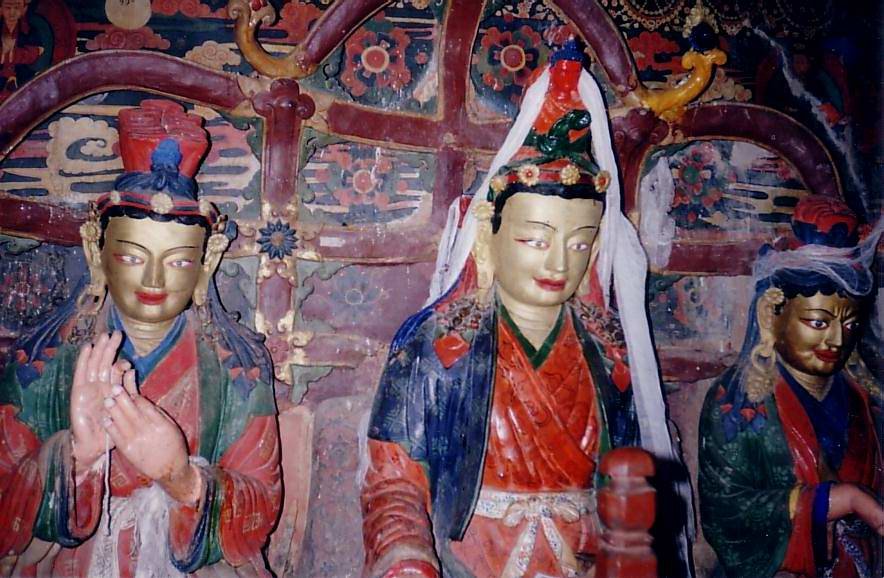
Introduction to Jokhang Temple Jokhang Temple, located in the heart of Lhasa, is a pivotal site in Tibetan Buddhism and an important cultural landmark with deep historical roots. Founded in the 7th century by Songtsen Gampo, the first king of Tibet, it was established to house a sacred statue of the Buddha, the Jowo Shakyamuni,...Read More
Introduction to Everest Base Camp Trek The Everest Base Camp trek is recognized as one of the most iconic trekking experiences globally, attracting adventurers, mountaineers, and travelers from all walks of life. Nestled in the Khumbu region of Nepal, this trek leads hikers through extraordinary landscapes characterized by towering peaks, deep valleys, and pristine glaciers,...Read More
Introduction to Tibetan Festivals Tibetan culture is as rich and intricate as the landscape of its homeland, characterized by its deep-rooted spiritual beliefs and age-old traditions. Central to this cultural tapestry are the numerous festivals celebrated throughout the year, which serve as vital expressions of community identity and collective heritage. Tibetan festivals are primarily anchored...Read More
Introduction to Lhasa Lhasa, situated at an altitude of 3,650 meters, is the capital of the Tibet Autonomous Region of China. Known as the “Land of the Gods,” Lhasa is not only a political center but also a significant cultural and spiritual hub in Tibetan Buddhism. This city holds immense historical relevance, being a focal...Read More
Introduction to Tibetan Culture Tibetan culture, distinguished by its rich and intricate tapestry of traditions, beliefs, and practices, stands as a significant element within the broader Asian cultural landscape. This unique culture has evolved over centuries, shaped profoundly by the introduction and propagation of Buddhism, which has created a spiritual and philosophical foundation that permeates...Read More
Semarkar (赛玛噶), the Daughter of Namri Songtsen, was a pivotal figure in the political landscape of 7th-century Tibet. Active between 633 and 650 AD, her marriage and intelligence-gathering efforts significantly influenced the relationship between the Tibetan Empire and the Kingdom of Zhangzhung. 1. Early Tibetan-Zhangzhung Marital Alliances According to ancient Tibetan manuscripts discovered in Dunhuang,...Read More
Introduction to Xiega Puqu (Shoga Puchu) River Xuega Puqu, (雪嘎普曲) also known as Xiega River or Xiekaqu, (Shoga Puchu) is a significant river flowing through the Milin region of Tibet, China. The name “Xuega” (Shoga)translates to “loves playing dice,” while “Puchu” means “stream and river.” This river originates from the northern slopes of the majestic...Read More
Tashi Raodeng Puchu, meaning “Auspicious and Stable River”, is a significant tributary of the Yarlung Tsangpo River, located west of Milin City in Tibet. This pristine waterway not only adds to the region’s breathtaking landscape but also serves as a lifeline for local agriculture, animal husbandry, and forestry. Rich Agricultural and Pastoral Resources The Tashi...Read More
Everyone has a curiosity for the unknown, but true hidden gems are rare. Some places, even when discovered, may not feel as extraordinary as expected. However, deep within the dense forests along the China-India border in Southern Tibet lies a truly unique and mysterious valley—Nanyi Valley in Milin County, Nyingchi. The Sacred Land of Tibetan...Read More
Nayu Puchu, (纳玉普曲) གནས་ཡུལ་བུ་ཆུ་ also known as Nanyi River (南伊河) or Jiayu Puchu, (加玉普曲) translates to “Sacred Land Stream” in Tibetan. Flowing through Milin City in Tibet, this pristine river originates from the northern slopes of the Himalayas and merges into the Yarlung Tsangpo River near Nanyi Lhoba Ethnic Township. A Land of Natural Abundance...Read More