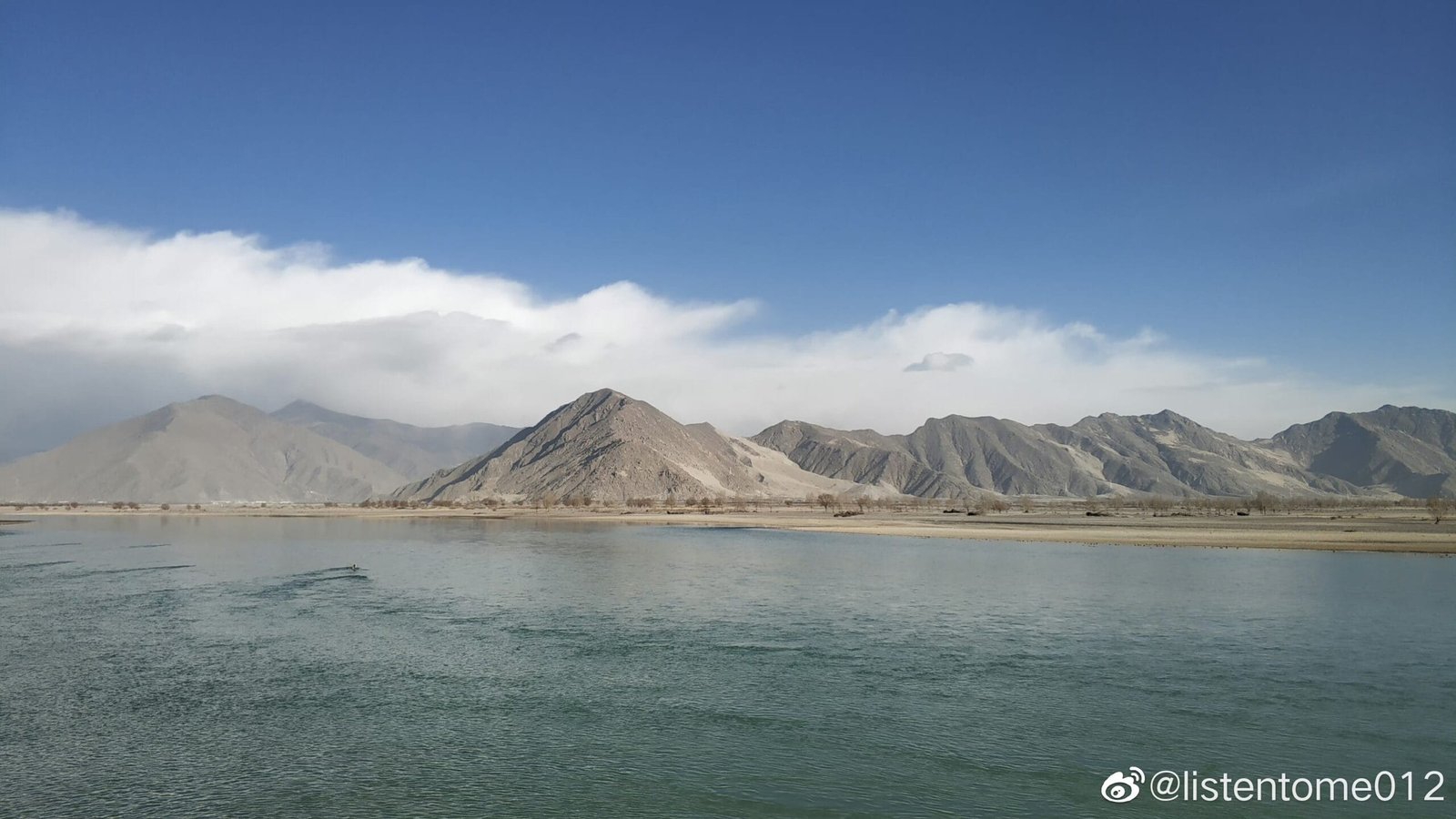
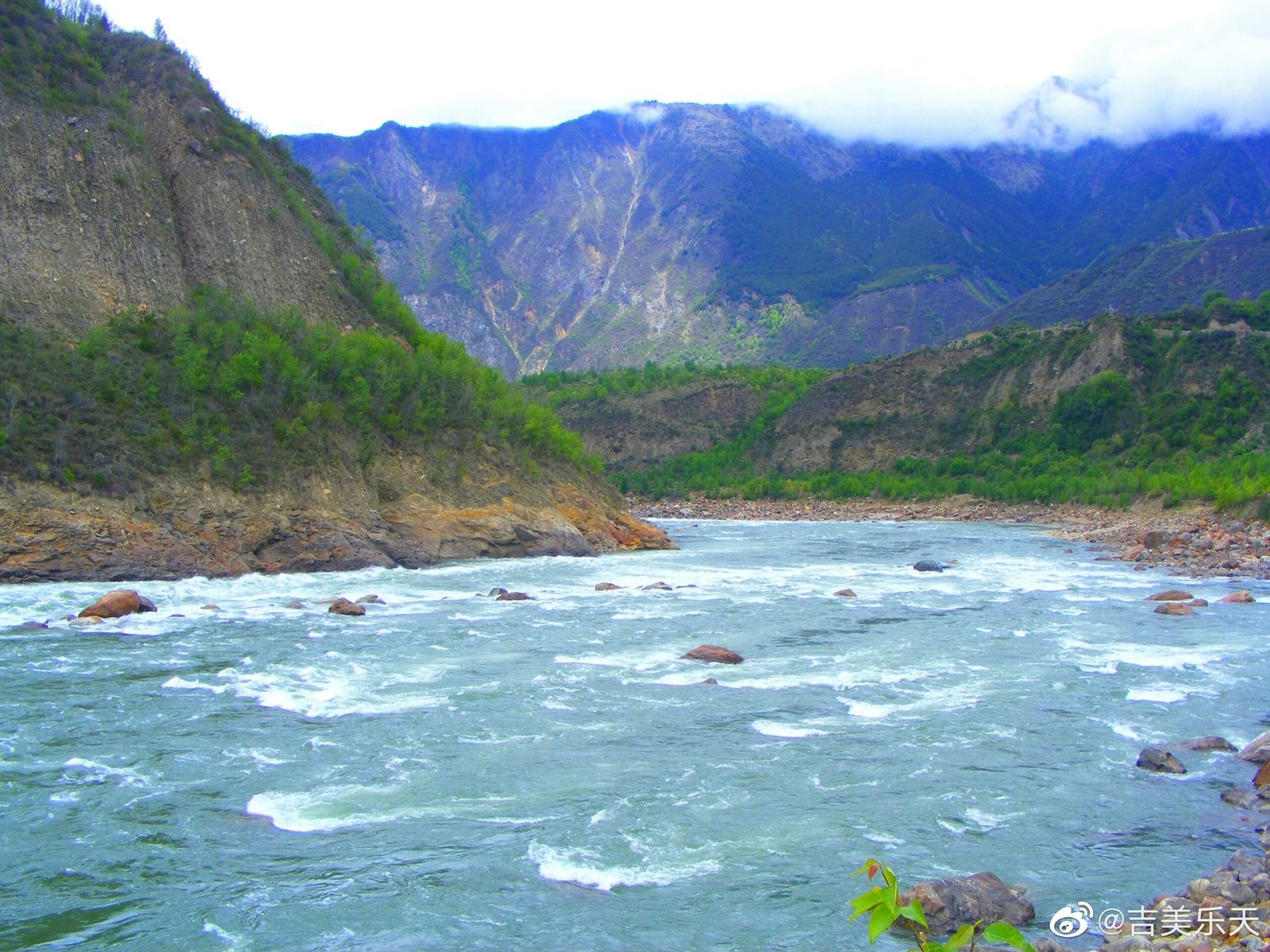
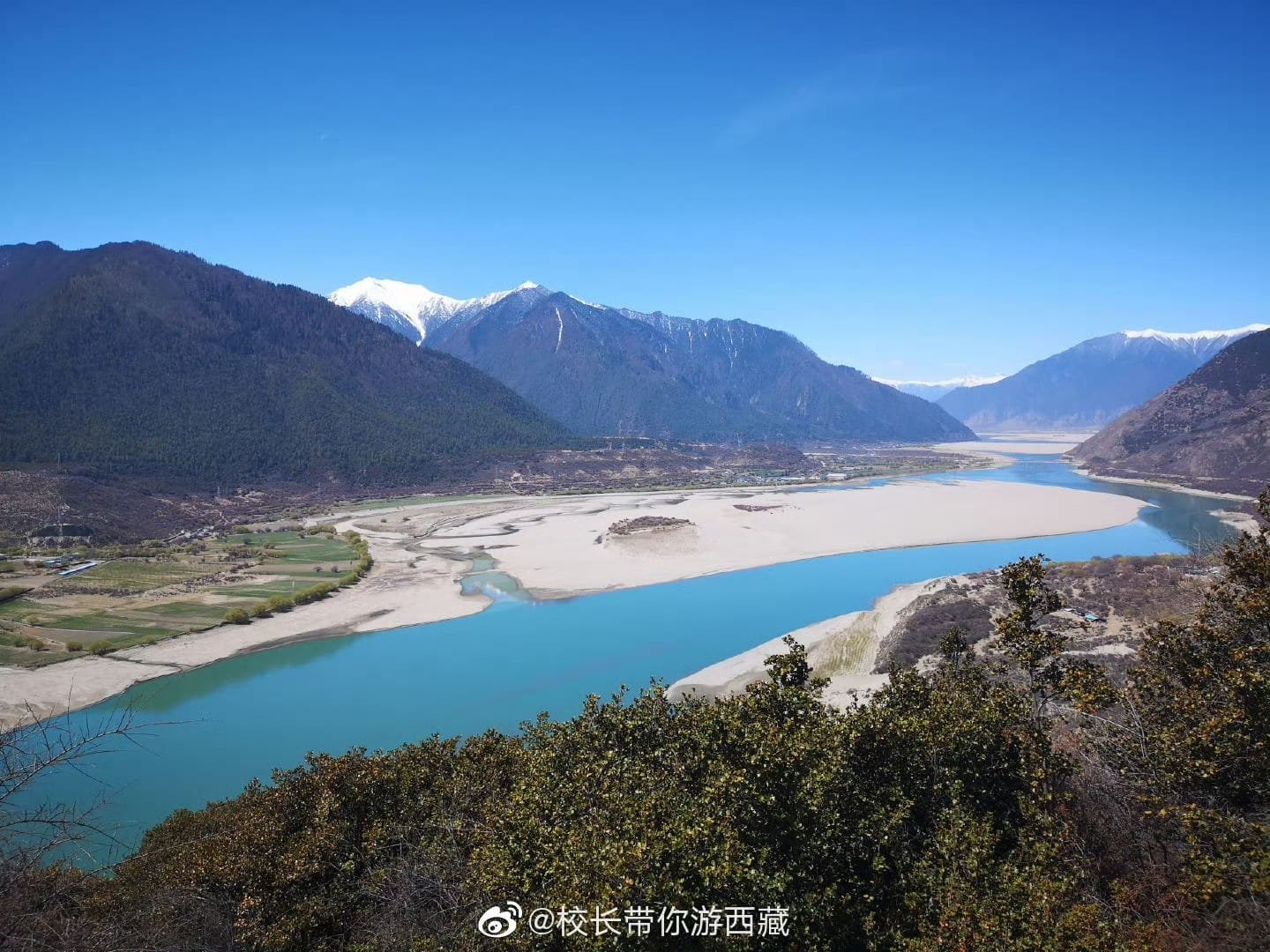
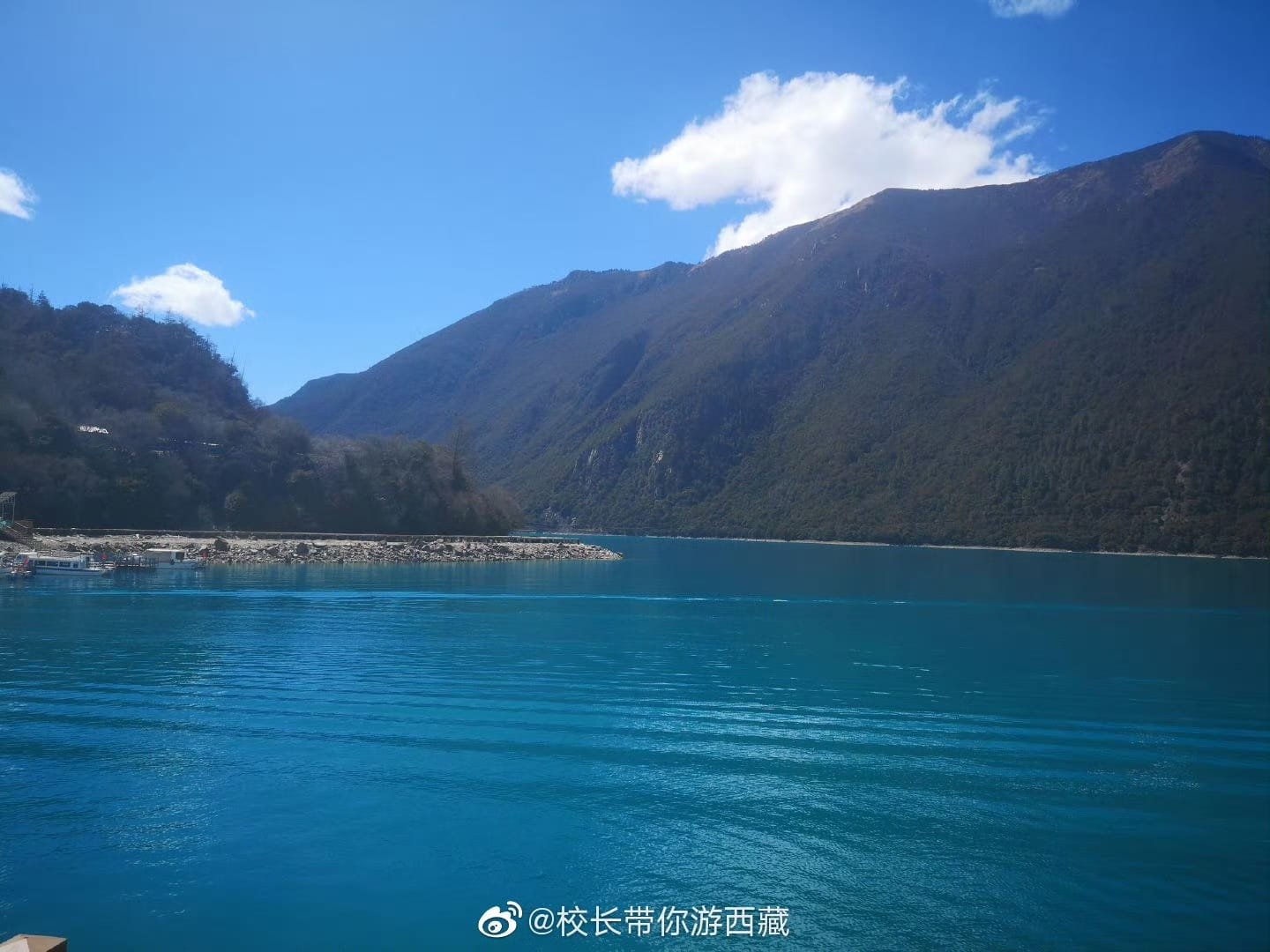
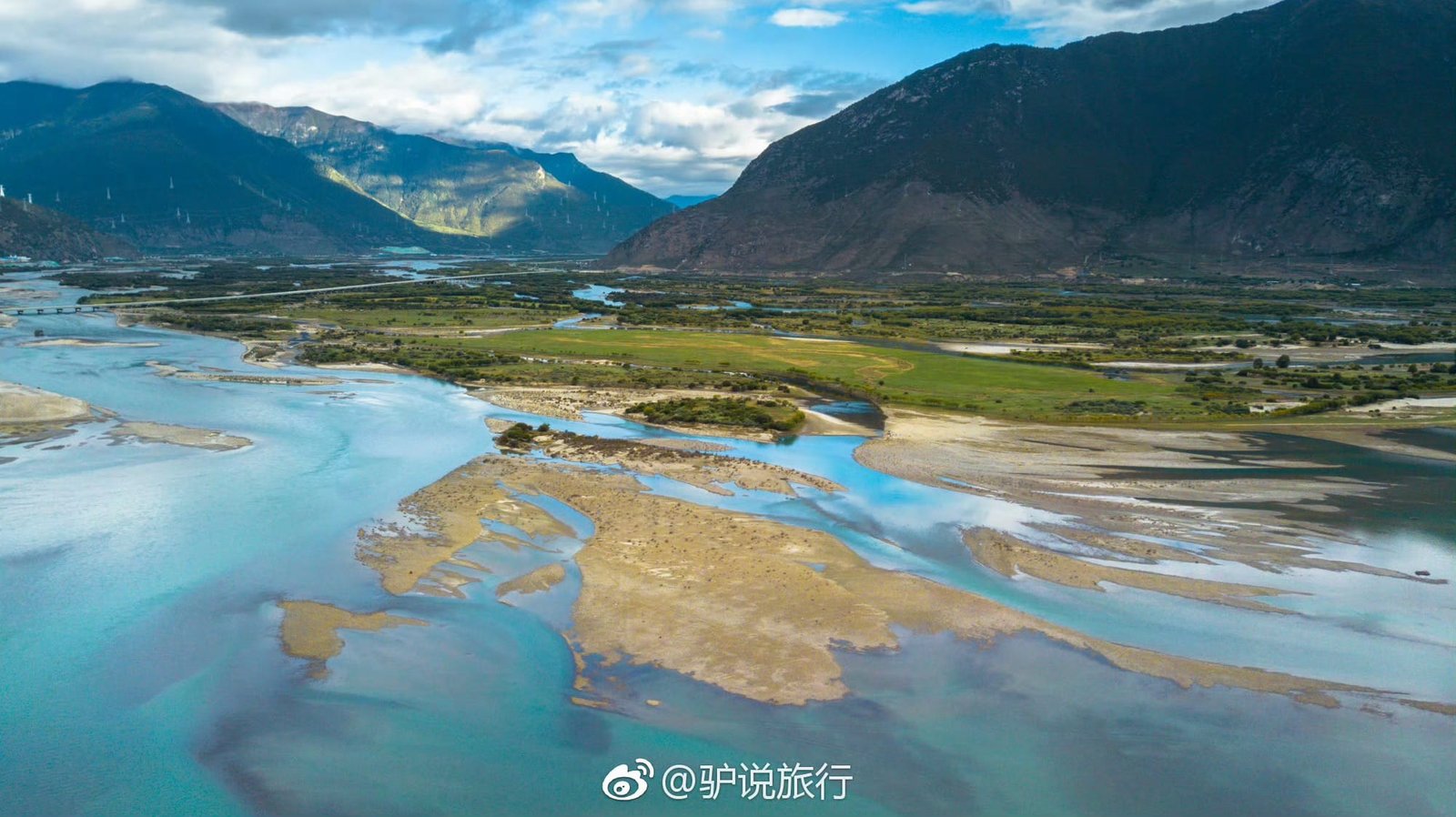
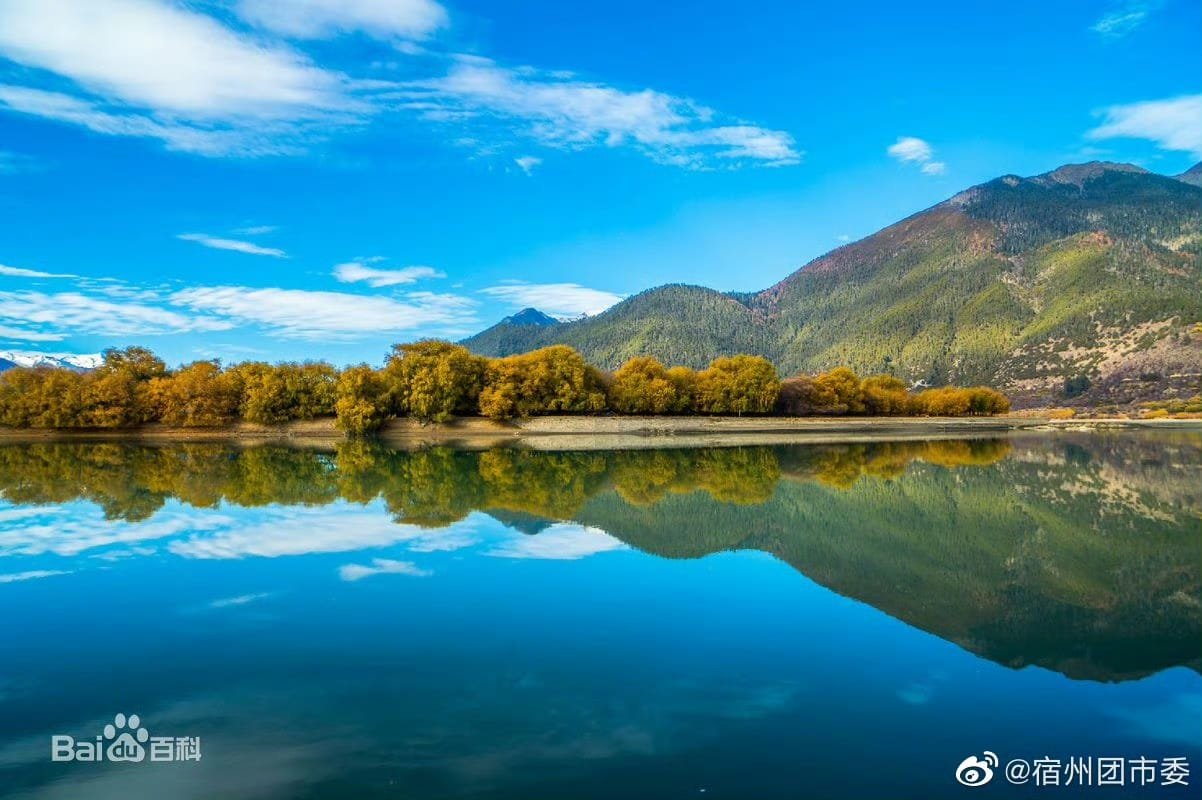
The Sechu River, also known as Serchu (གསེར་ཆུ་) or Jinsha, translates to “Golden River.” It is a significant waterway in Chaya County, Tibet, located northwest of the county seat. As an essential tributary of the Lancang River (Mekong River), it plays a crucial role in the region’s hydrology, ecology, and natural resources. Geographical Overview The...Read More
Introduction to Zi River The Zi chu River (紫曲), also known as “Ziqu” (孜曲) (འཛི་ཆུ ) meaning “The River with a White Spot on the Cow’s Forehead,” is located in Riwoche County (རི་བོ་ཆེ་རྫོང་།) , Tibet, to the northwest of the county seat. It originates from Dingqing County (སྟེང་ཆེན་རྫོང་།) and extends into Qinghai Province before merging...Read More
The Gequ River is one of the key rivers in Riwoche County and is part of the Lancang River (Mekong) water system. Along with the Ziqu and Jiqu Rivers, it forms the primary hydrological network of Riwoche County. With an abundant annual runoff, the river provides a stable water supply for the region. Kechu (also...Read More
(གཟི་ / 天珠) – Understanding the Market in 2025 Dzi beads, also known as Sky Beads (གཟི་ in Tibetan, 天珠 in Chinese), have a reputation for extreme price fluctuations in the collectible market. Their value can range from just a few dozen yuan for souvenir-grade pieces to astronomical sums for rare, ancient treasures. The price...Read More
The armed conflict between Chinese and Tibetan forces erupted once again along the de facto Sino-Tibetan border established in 1912, as tensions escalated in the Riwoche (Leiwuch’i) region, located 40 miles from Chamdo. Although skirmishes had never fully ceased, this crisis marked a significant flare-up. Situated along the Dza Chu (Sze Chu) River—a tributary of...Read More
The Dolma Nangtso River (卓玛朗措曲), meaning “Mother Tara’s Superior Lake River,” is a sacred waterway flowing through Lhorong County, Tibet, west of the county seat. As a tributary of the Gyalmo Ngulchu (Salween River), one of the major rivers in the region, it plays a crucial role in the local ecosystem, economy, and Tibetan spiritual...Read More
Introduction to Yangchu River: A Lifeline of Tibetan Nomadic Culture The Yangchu River (羊曲), also known as “Yangmu Yong” (羊木涌), meaning “Stone Slab River,” is a crucial waterway originating in Dingqing County (སྟེང་ཆེན་རྫོང), Tibet. Flowing northward into Qinghai Province, this river serves as an essential natural resource, supporting the local ecosystem, Tibetan nomadic culture, and...Read More
Introduction to Tachu River The Tachu River (Daqu, 打曲, རྟ་ཆུ་), also known as the “Horse River,” flows through Dingqing County (丁青县, སྟེང་ཆེན་རྫོང་།) in eastern Tibet, playing a vital role in the region’s pastoral economy and diverse ecosystem. The river derives its name from a mountain at its source that resembles a horse, adding cultural and...Read More
Introduction to the Nujiang River The Nujiang River (怒江), also known as Gyalmo Ngulchu (རྒྱལ་མོ་རྔུལ་ཆུ།) in Standard Tibetan, is one of the most significant rivers in Tibet and southwestern China. As Tibet’s second-largest river, it originates in the remote Tanggula Mountains on the Qinghai-Tibet Plateau and carves its way through breathtaking landscapes before reaching Myanmar,...Read More
Introduction to the Yuchu River (Yuqu) The Yuchu River (玉曲), གཡུ་ཆུ། also known as Yuqu, translates to “Shining River” in Tibetan. Flowing through Zogang County in Tibet’s Chamdo region, this pristine waterway plays a crucial role in the region’s ecology, economy, and culture. Eventually, it merges into the Nujiang River (怒江, Salween River) in Zayul...Read More