Understanding Tibet’s Climate for Hiking Tibet’s climate is a complex interplay of altitude, geography, and seasonality, which ultimately shapes the experience of those who seek to explore its diverse landscapes. The Tibetan Plateau, at an average elevation of over 4,500 meters, significantly affects weather patterns, leading to a variety of climatic conditions that can make...Read More
Eligibility Criteria To join Kailash Tours, Indian passport holders must adhere to specific eligibility criteria that ensure the safety and well-being of all participants. The age limit for travelers is set between 12 and 80 years. This range accommodates young adventurers and seasoned travelers alike, allowing a diverse group to experience the spiritual and cultural...Read More
Introduction to Birdwatching in Tibet Birdwatching in Tibet offers an extraordinary opportunity to experience an environment that is unlike any other. Characterized by its vast high-altitude landscapes, the region boasts an array of habitats that are home to a remarkable diversity of avian species. Tibet’s unique ecosystems—ranging from the snow-capped peaks of the Himalayas to...Read More
Choosing the Right Departure City When planning a trip to Tibet, the selection of the right departure city is crucial in securing affordable flights. Domestic cities in China, such as Chengdu, Chongqing, Xining, and Kunming, are often associated with the most economical flight options to Tibet. Each of these cities serves as a key point...Read More
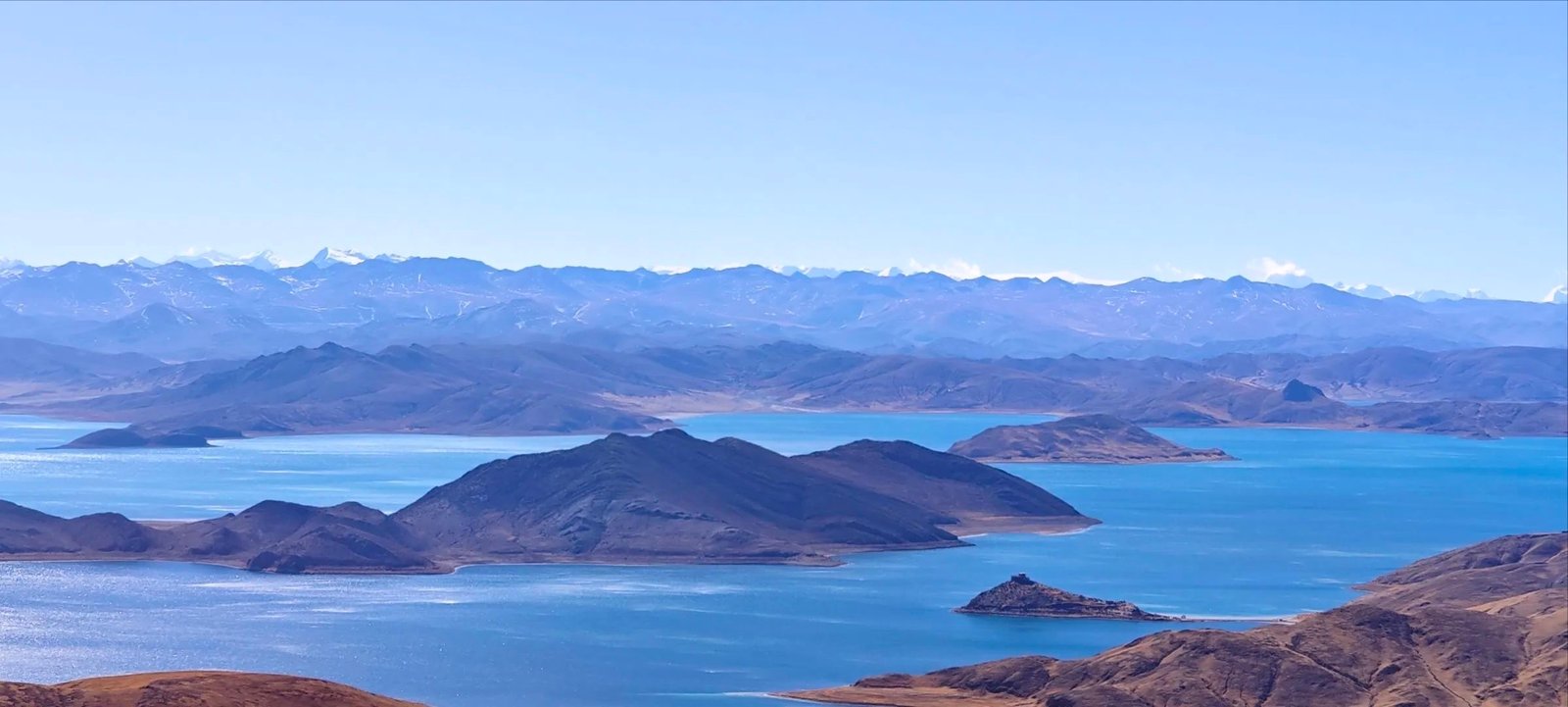
Location and Geography of Yamdrok Lake Yamdrok Lake, one of the most breathtaking natural wonders of the Tibetan Plateau, is situated in the Shannan Prefecture of Tibet, approximately 70 kilometers (43 miles) southwest of Lhasa, the capital city of the Tibetan Autonomous Region. This lake is positioned at an impressive altitude of about 4,441 meters...Read More
Historical and Spiritual Significance The Drak Yerpa Cave Monastery holds a prominent place in the landscape of Tibetan Buddhism, demonstrating a rich tapestry of both history and spirituality. Nestled in the mountains near Lhasa, it is believed to have been a significant meditation site for centuries. The origins of Drak Yerpa date back to the...Read More
Historical and Spiritual Significance of Rongbuk Monastery Rongbuk Monastery, established in 1902 by Lama Ngawang Tenzin Norbu, holds a prominent place in the pantheon of Tibetan Buddhism. Nestled at the foothills of Mount Everest, this monastery is renowned as the highest in the world, attracting both pilgrims and trekkers from around the globe. As a...Read More
Overview of Namtso Lake Namtso Lake, perched in the heart of the Tibetan Plateau, is not only the highest saltwater lake in the world but also a remarkable geographical spectacle that captivates both travelers and spiritual seekers alike. Situated approximately 250 kilometers north of Lhasa, the capital city of Tibet, this stunning body of water...Read More
Understanding Tibet’s Unique Landscape Tibet, often referred to as the “Roof of the World,” exhibits a phenomenal diversity of landscapes that provide a rich canvas for photography enthusiasts. The region is characterized by its towering mountains, expansive plateaus, winding rivers, and lush valleys, each contributing to the dramatic natural scenery. The presence of the Himalayas,...Read More
Introduction to Yangpachen Hot Springs Located approximately 80 kilometers north of Lhasa, the Yangpachen Hot Springs is a distinguished destination known for its remarkable geothermal features. Nestled amidst the scenic backdrop of the Tibetan Plateau, these natural thermal springs are celebrated not only for their therapeutic benefits but also for their cultural significance within Tibetan...Read More