Spiritual Importance of Lake Manasarovar
Lake Manasarovar, situated near Mount Kailash in Tibet, is revered across multiple religions, including Hinduism, Buddhism, Jainism, and Bon. This celestial body of water is not merely a natural wonder but a site imbued with profound spiritual meaning and significance. Each religious tradition lays claim to unique narratives and beliefs that elevate Lake Manasarovar to a position of veneration and pilgrimage.
In Hinduism, Lake Manasarovar is regarded as a heavenly abode created by Lord Brahma, the creator god. It is believed that immersing oneself in its purifying waters can lead to moksha, or liberation from the cycle of birth and rebirth. The lake is seen as a spiritual gateway, which enhances the significance of the Yatra, or pilgrimage, to Mount Kailash, believed to be the abode of Lord Shiva. The rituals performed at the lake, such as circumambulation and offerings, are integral to the spiritual journey of devotees.
Buddhism recognizes Lake Manasarovar as the earthly counterpart of the revered Anavatapta Lake, where Queen Maya is said to have conceived the Buddha. Its water is considered sacred and a source of wisdom and enlightenment. Pilgrims visiting the lake engage in meditative practices, seeking spiritual awakening and purification, thus reinforcing the lake’s role in Buddhist spiritual traditions.
In Jainism, Lake Manasarovar is associated with Rishabhadeva, the first Tirthankara, who played a central role in the establishment of Jain principles. For Jains, the lake embodies spiritual teachings and virtues that guide followers in their quest for enlightenment. Rituals at the lake underscore this belief, making it a pivotal pilgrimage site.
Additionally, followers of Bon, the indigenous spiritual tradition of Tibet, view Lake Manasarovar as a life-giving source, essential for both physical and spiritual well-being. It represents the interconnectedness of nature and spiritual essence, reflecting the Bon ethos of harmony with the environment.
Thus, the diverse spiritual significance attributed to Lake Manasarovar by these religions demonstrates its status as a unifying pilgrimage site where believers embark on sacred journeys, fostering a sense of spiritual community and shared reverence.
Natural Beauty and Geography of Lake Manasarovar
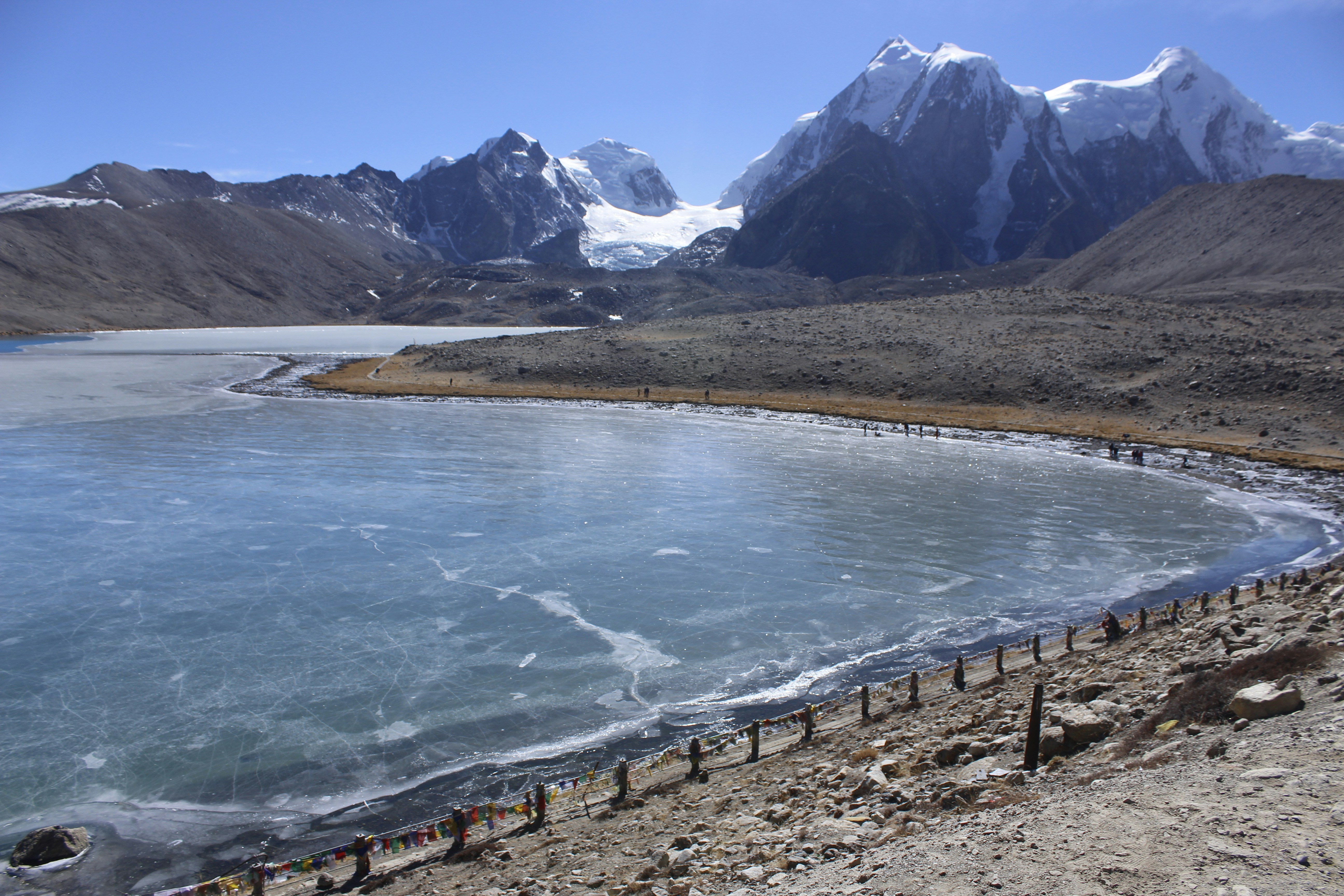
Lake Manasarovar, a revered body of water located at an impressive altitude of 4,590 meters in Tibet’s Ngari Prefecture, stands out for its breathtaking natural beauty and geographical significance. Covering an area of approximately 88 square kilometers, Lake Manasarovar is often considered the highest freshwater lake in the world. Its depth averages around 90 meters, creating a stunning contrast with the snow-capped peaks surrounding it. The lake boasts an impressive mirror-like surface that reflects the grandeur of the Tibetan sky, a visual spectacle that attracts pilgrims and tourists alike.
The rugged landscape enveloping Lake Manasarovar enhances its charm. The lake is flanked by the majestic Himalayan mountain range, with Mount Kailash, a peak revered in numerous religions, standing nearby. The stark yet captivating climate plays a significant role in shaping the environment around the lake. The region experiences a high level of solar radiation, low humidity, and fluctuating temperatures, making it both harsh and beautiful. The unique climatic conditions contribute to the lake’s distinctive turquoise hue, a feature that further elevates its allure.
In terms of biodiversity, Lake Manasarovar supports a variety of native wildlife that has adapted to the challenging conditions. The lake is known to be a habitat for the bar-headed goose, which migrates over the Himalayas during the breeding season. Additionally, the Tibetan wild ass, known as the Kiang, can often be spotted grazing along the lake’s shores. These species contribute to the rich ecological tapestry of the region and serve as a reminder of the importance of such unique environments in preserving biodiversity.
Overall, the geographical attributes and natural beauty of Lake Manasarovar create a site of profound spiritual and environmental importance, attracting individuals seeking spiritual solace and natural wonders.
Pilgrimage Practices and Cultural Traditions
Lake Manasarovar holds a prominent place in the hearts of millions of devotees who embark on a pilgrimage to this sacred site. The journey to the lake is not merely a physical trek but a profound spiritual expedition, deeply interwoven with the rich tapestry of cultural traditions. Among the many practices observed by pilgrims, the Kora stands out as a significant ritual. This tradition involves the circumambulation of the lake, a practice that symbolizes spiritual cleansing and the quest for blessings. The act of walking around Lake Manasarovar is believed to purify the mind, body, and soul, allowing devotees to connect with the divine presence of the lake.
In addition to the Kora, several festivals are celebrated in honor of the sacred lake, with Saga Dawa being one of the most noteworthy. This festival commemorates the enlightenment of the Buddha and attracts numerous pilgrims who gather at the lake to participate in various prayers and rituals. The festivities during this period are vibrant, marked by a heightened sense of community as individuals come together to celebrate their shared beliefs and devotion.
The spiritual experience of visiting Lake Manasarovar is further enhanced by the presence of ancient monasteries, such as Chiu Gompa. These monasteries not only provide a place for spiritual retreat and reflection, but they also serve as a support system for pilgrims. The monks within these monasteries often offer guidance and engage in prayers with the visitors, enriching their pilgrimage. The combination of these cultural traditions, the Kora ritual, and the monastery’s influence makes the pilgrimage to Lake Manasarovar a profoundly transformative experience for many, fostering a deep sense of spirituality and connection to their faith.
A Destination for Spiritual Seekers and Travelers
Lake Manasarovar, often revered as a sacred site, holds a profound allure that attracts not only devoted pilgrims but also adventurous travelers from around the globe. Nestled at an elevated altitude in the Tibetan plateau, this pristine lake is known for its breathtaking beauty and spiritual resonance, drawing individuals who seek both tranquility and a deeper understanding of themselves and the world.
For many visitors, a journey to Lake Manasarovar transcends mere physical travel; it represents a quest for spirituality and self-discovery. Pilgrims, particularly from Hindu and Buddhist traditions, flock to this site to perform rituals and seek blessings. They often share transformative experiences that have significantly impacted their personal spiritual journeys. These encounters are not only limited to the local faiths but resonate across diverse cultural backgrounds, fostering an environment of mutual respect and understanding.
Adventurous travelers, on the other hand, find themselves captivated by the lake’s unspoiled natural beauty and its serene environment, which provides a perfect backdrop for reflection and inner peace. Many find that the tranquility of Lake Manasarovar allows for introspection, prompting profound insights and emotional healing. It is not uncommon for visitors to leave with a renewed sense of purpose and connection to the larger world.
The universal appeal of Lake Manasarovar continues to nurture a sense of community among both religious adherents and secular explorers alike. This unique blend of spirituality and adventure highlights the lake’s significance as a place that unites diverse cultures in their shared quest for meaning. As the waters of Lake Manasarovar glisten in the sunlight, they serve as a reminder of the spiritual legacy that draws hearts and minds to this remarkable destination, creating a lasting bond between its visitors and their experiences.
Leave a Reply