Introduction to Tibet’s Unique Access
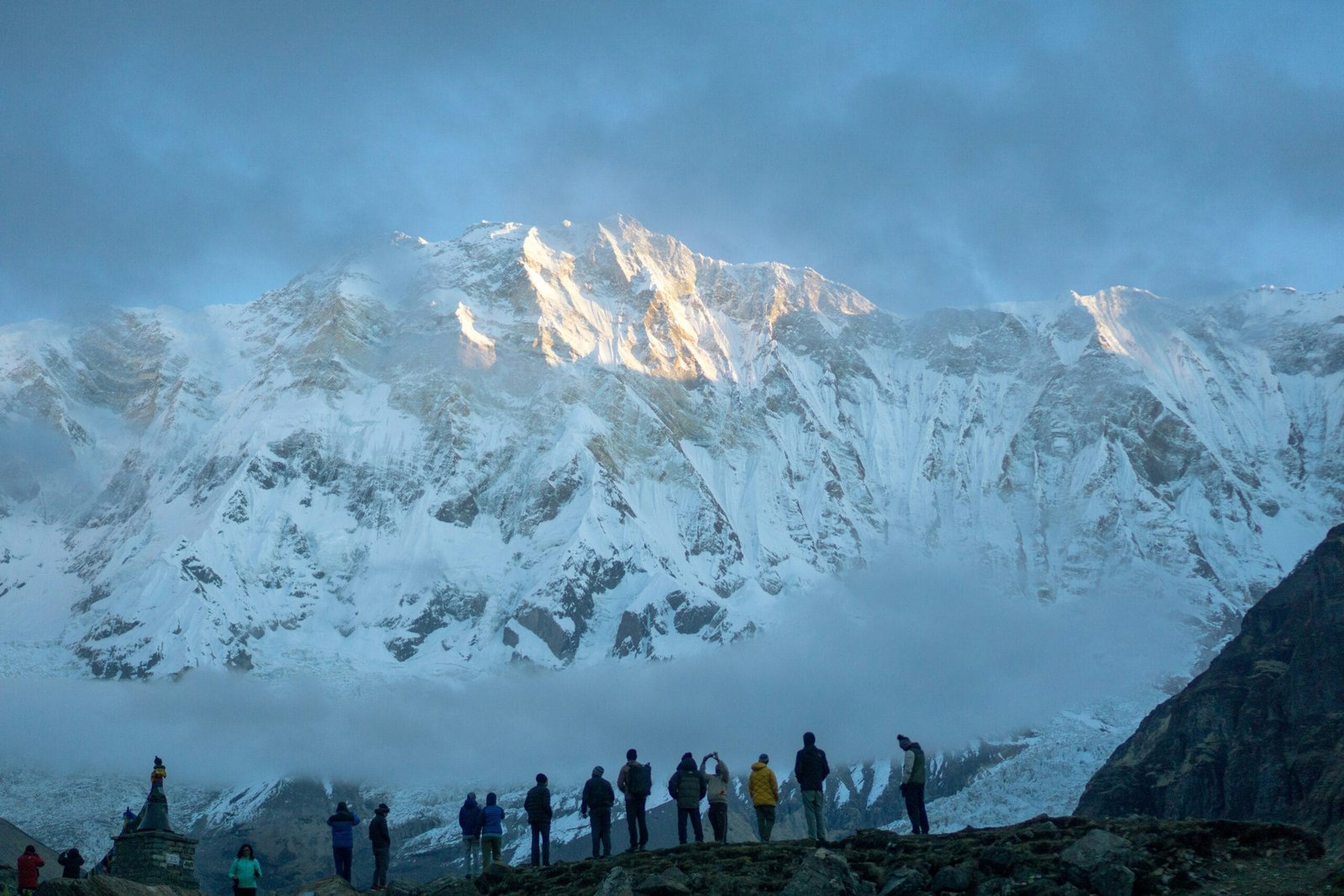
Tibet’s Everest Base Camp (EBC) presents a unique and unparalleled experience, distinguished from its counterpart in Nepal. Situated at a staggering altitude of 5,364 meters (17,598 feet), Tibet’s EBC offers adventurers an opportunity to experience the majestic beauty of the world’s highest peak, Mount Everest, from a perspective that is both captivating and serene. The journey to this coveted destination involves not only breathtaking vistas but also insightful cultural encounters, as travelers traverse through diverse landscapes and traditional Tibetan villages.
One notable aspect of accessing Tibet’s Everest Base Camp is the requirement of a special permit to enter the Tibet Autonomous Region. This necessity sets an intriguing tone for the journey, as visitors are afforded a sense of exclusivity. Unlike the more accessible trekking routes in Nepal, where trails are frequented by numerous trekkers, the road to the Tibetan EBC is relatively tranquil, allowing adventurers to immerse themselves in the untouched wilderness without the distraction of large crowds. This sense of seclusion enhances the overall allure of the expedition, attracting those who seek a more intimate connection with nature and the local culture.
The adventure begins typically in Lhasa, the capital of Tibet, where travelers can acclimatize to the altitude and explore the rich heritage of Tibetan Buddhism. From Lhasa, a well-planned itinerary takes eager explorers through picturesque valleys, alongside shimmering lakes, and up to the iconic Rongbuk Monastery. This route not only emphasizes the remote beauty of the Tibetan landscape but also provides insight into the unique lifestyle of the Tibetan people, making the journey to EBC an enriching experience that transcends mere travel.
The Paved Road from Lhasa to EBC
The journey from Lhasa to Everest Base Camp (EBC) has been significantly improved with the construction of the newly paved road, offering travelers an enhanced experience as they venture towards the breathtaking landscapes of Tibet. This well-maintained route spans approximately 620 kilometers, guiding adventurers through the heart of the Tibetan plateau. As one embarks on this journey, the first leg of the trip offers glimpses of the expansive Tibetan terrain, where vast grasslands meet rugged mountains, creating a dramatic backdrop that is both awe-inspiring and humbling.
As one progresses along the road, the scenery evolves, showcasing the enchanting beauty of traditional Tibetan culture and stunning geographical features. One may encounter incredible sights such as turquoise lakes, lush valleys, and various livestock grazing peacefully across the fields. Notably, the majestic views of the Himalayan range culminate at the north side of Mount Everest, with its towering peaks looming majestically as travelers approach their destination. This route is not only picturesque but also strategically constructed to ensure safety and comfort, making the trip more accessible for both seasoned trekkers and casual travelers.
Additionally, the newly paved road reduces travel time significantly, allowing visitors to spend more time absorbing the rich culture and natural wonders of the region. The ease of transportation provided by this infrastructure means that travelers can enjoy a smoother ride, facilitating better acclimatization to the high altitudes they will encounter near EBC. Enhanced accessibility creates opportunities for a broader audience to experience the beauty of Tibet, making the journey to Everest Base Camp a more inviting prospect for curious explorers and mountain enthusiasts alike.
Logistical Perks of Vehicle Support
Embarking on a journey to Tibet’s Everest Base Camp involves significant planning and considerations, particularly when it comes to logistics. One of the most notable advantages of having vehicle support during this ambitious road trip is the ease of transportation for luggage. With a designated vehicle to carry your belongings, travelers can minimize the physical burden associated with traditional trekking. This ensures that participants can focus on the breathtaking scenery and experiences, rather than being encumbered by heavy packs.
Moreover, traveling in a vehicle offers a level of comfort that is often absent from arduous hikes. The long drives through the stunning Tibetan landscapes can be quite arduous, and having the ability to relax in a comfortable vehicle makes the entire journey significantly more enjoyable. This ease of travel is particularly beneficial for families or groups that may have varying levels of endurance, allowing everyone to partake in the adventure with a manageable level of exertion.
Another key benefit of vehicle support is the ability to customize the itinerary. Unlike a rigid trekking schedule that adheres strictly to walking paths, vehicle support allows for greater flexibility. Travelers can spend additional time exploring areas of interest or adapt their plans based on weather conditions or personal preferences. This additional freedom not only enhances the experience but also enables participants to truly immerse themselves in the rich culture and stunning vistas that Tibet offers.
In contrast to the challenging treks found in Nepal, vehicle-assisted journeys to the Everest Base Camp in Tibet present a more versatile approach to exploration. This vehicle support ultimately transforms what could be a demanding expedition into a more relaxed and enriching adventure, allowing travelers to appreciate their surroundings fully and create lasting memories.
Cultural Experience at Rongbuk Monastery
Rongbuk Monastery, nestled at an altitude of 5,000 meters, holds the title of the highest monastery in the world. This spiritual landmark offers travelers a unique opportunity to immerse themselves in Tibetan culture while gaining a closer perspective of Mount Everest. Established in 1902, the monastery has been a significant site for Tibetan Buddhism and a vital stop for trekkers making their ascent towards Everest Base Camp. Its rich history is intertwined with local traditions and exhibits Buddhist architectural design that reflects the harmonious relationship between man and nature.
The monastery presents a serene ambiance, where the lush valleys and towering mountains converge, creating a breathtaking backdrop for reflection and spirituality. Visitors can engage with resident monks who maintain the site, offering insights into the daily practices of Tibetan Buddhism. This interaction allows travelers to gain a deeper understanding of the spiritual significance of the monastery, as well as facilitating discussions on local customs and beliefs. Travelers are often welcomed to participate in daily chanting sessions, enhancing their experience through direct involvement in the rituals that have taken place here for centuries.
Moreover, the panoramic views from Rongbuk Monastery provide yet another compelling reason to stop during the journey. From the monastery’s courtyard, one can witness the majesty of Mount Everest, often referred to as “Chomolungma” in Tibetan. This vantage point not only fuels the perspective of the size and power of the world’s highest peak but also embodies the spiritual essence that has attracted worshippers and travelers for generations. Ultimately, a visit to Rongbuk Monastery enriches the road trip to the Everest Base Camp by blending cultural immersion with awe-inspiring natural beauty, leaving an indelible mark on every traveler’s journey.
Leave a Reply