
 phurbutsering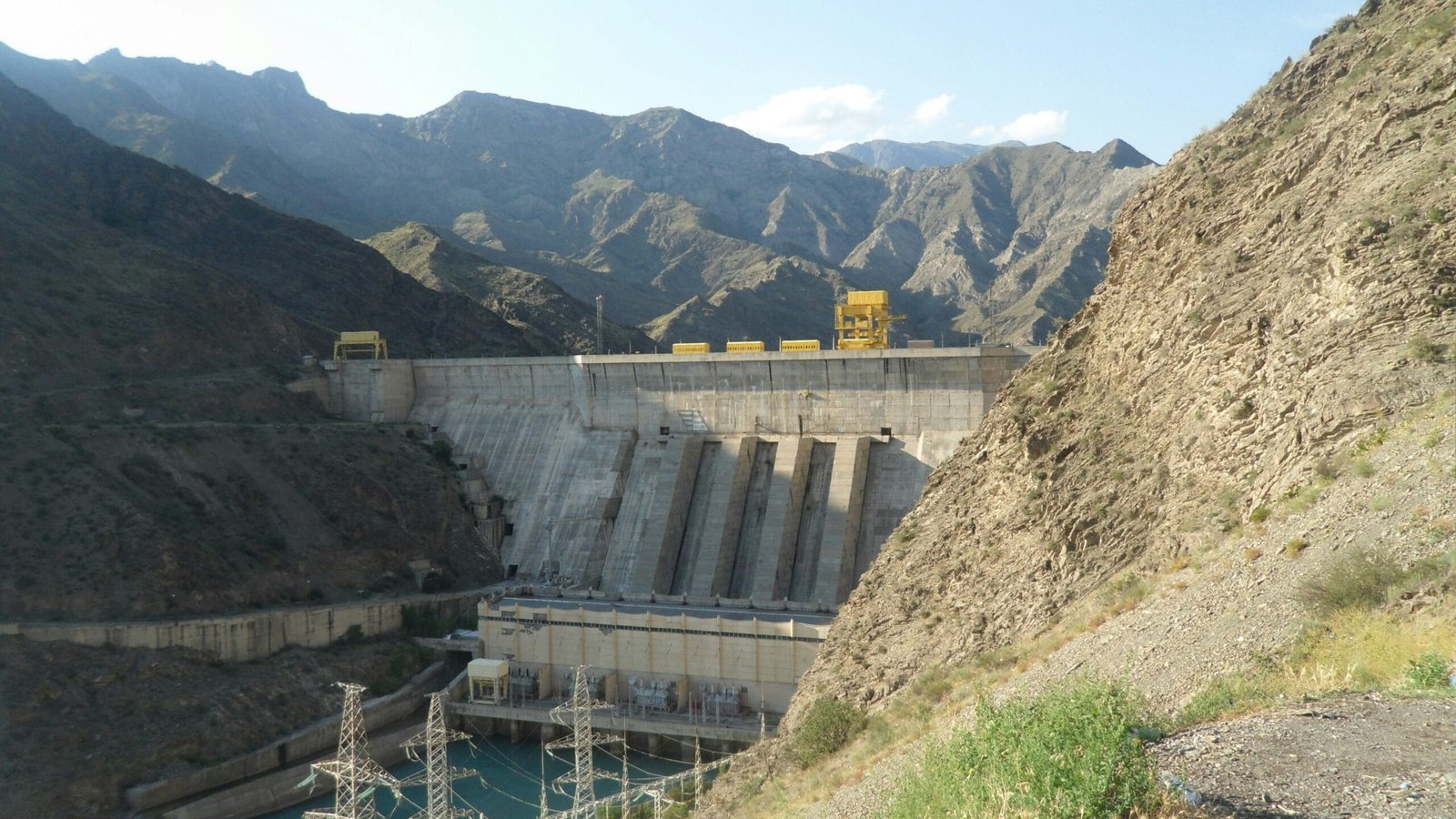
Leadership and Vision Behind the Project
The development of the Dokde Hydroelectric Power Plant represents a collaborative effort marked by the leadership and vision of various Tibetan leaders and British experts, whose combined efforts significantly contributed to this landmark project. Central to the initiative were key figures such as Ringang Rinzin Dorje, Kibuwa Wangdu Norbu, Monjong Khyenrab Kunzang, and Gokarwa Sonam Gönpo, who each played vital roles in steering the project towards its ambitious goals.
Ringang Rinzin Dorje emerged as a crucial figure, leading efforts to navigate the challenges associated with construction and ensuring that the project met both modern engineering standards and the cultural expectations of the Tibetan populace. His leadership style emphasized collaboration, fostering an environment where local knowledge could be effectively integrated with imported technical expertise.
Kibuwa Wangdu Norbu provided insight into local infrastructure needs, facilitating communication between the engineers and the community. He was instrumental in laying down the power lines, which were essential not only for the generation of electricity but also for the overarching aim of enhancing the quality of life in the region. Wangdu Norbu’s understanding of both the technical aspects of the project and the socio-cultural nuances of Tibetan society played a critical role in driving the vision forward.
Monjong Khyenrab Kunzang’s contributions focused on ensuring that the development process remained mindful of Tibetan culture. He championed initiatives that sought to preserve cultural heritage while permitting modernization. Meanwhile, Gokarwa Sonam Gönpo worked tirelessly to establish necessary infrastructure, facilitating the smooth operation of the power plant and improving transportation networks. His dedication ensured that the project could sustain long-term benefits for the local community.
Overall, the Dokde Hydroelectric Power Plant is a testament to the power of collaboration, illustrating how diverse expertise and shared vision can effectively drive forward ambitious projects while respecting and preserving the rich cultural heritage of the Tibetan people.
The Construction Process at Dokde Gorge
The construction of the Dokde Hydroelectric Power Plant in the rugged terrains of Dokde Gorge was a formidable undertaking that involved overcoming numerous challenges. The site presented natural obstacles, including steep slopes and unpredictable weather, which significantly complicated logistics and task execution. Essential materials had to be transported over difficult terrain, often relying on local knowledge and traditional methods to maneuver through the mountains. This integral step emphasized the critical role of skilled laborers and artisans who not only worked tirelessly but also engaged their cultural heritage in the construction process.
Bridging the gap between modern engineering and traditional Tibetan architecture, the teams involved included a mix of local craftsmen, skilled stonemasons, and carpenters. These individuals employed age-old techniques to create structures that harmonized with the environment, an essential consideration for a project of this magnitude. The artisans were crucial in ensuring that the aesthetic and structural integrity of the plant aligned with both functionality and cultural significance. Their expertise not only facilitated the actual building process but also helped in seamlessly integrating the hydroelectric power facility into the existing landscape.
Moreover, the project witnessed significant support in terms of funding and technical guidance from British sources, which further exemplified the collaboration between global innovations and local resources. This partnership not only equipped the project with necessary financial backing but also introduced advanced engineering practices. Despite limited resources, the collective ingenuity of both local workers and international consultants ultimately contributed to the successful completion of the Dokde Hydroelectric Power Plant. This endeavor not only marks a pivotal development in sustainable energy generation in Tibet but also signifies the region’s willingness to embrace modernization while respecting its cultural heritage.
Transforming Lhasa and Beyond
The opening of the Dokde Hydroelectric Power Plant marked a significant milestone in the modernization efforts of Tibet, particularly impacting Lhasa and its surrounding regions. Upon its commencement of operations, the plant ushered in a new era characterized by the availability of electricity, which fundamentally transformed daily life for the inhabitants. The introduction of electric power enabled the illumination of homes, streets, and essential institutions, thereby fostering a foundation for modern urban development in Lhasa.
The electrification not only improved the living conditions of residents but also enhanced economic activities by facilitating the operation of businesses and public facilities. As power lines spread across the region, they connected significant landmarks such as the Potala Palace, a UNESCO World Heritage site, and Gyangtse. This infrastructural integration ensured a reliable flow of energy to these vital locations, further intertwining them with the urban lifestyle fostered by electrification.
Moreover, the establishment of power lines extending beyond Tibet’s borders to India symbolizes a crucial shift towards greater connectivity and integration with the outside world. This relational expansion enhances not just energy exchange but also paves the way for potential economic collaboration and cultural exchange. The energy generated at the Dokde Hydroelectric Power Plant serves as a testament to Tibet’s aspirations for modernization and progressive development.
In perceiving the interconnected power system, one can appreciate the broader implications for social development and regional stability. The availability of consistent electricity serves as a catalyst for technological advancements and improved quality of life, while also solidifying Tibet’s position as an emerging player in the evolving landscape of energy production and consumption. The transformation brought forth by the Dokde Hydroelectric Power Plant is, therefore, not merely confined to Lhasa but resonates throughout the entirety of Tibet, heralding a bright future through modernization and interconnectedness.
A Legacy of Modernization
The Dokde Hydroelectric Power Plant stands as a landmark in the evolving landscape of Tibet, bridging traditional values with modern advancements. This facility has not only functioned as a significant energy source for the region but has also served as a strategic base for operations near the iconic Potala Palace. In its dual role, the power plant has become emblematic of Tibet’s modernization journey, showcasing the region’s commitment to sustainable energy solutions while honoring its rich heritage.
The establishment of the Dokde Hydroelectric Power Plant was significantly influenced by the 13th Dalai Lama’s forward-thinking vision, which emphasized the integration of Tibetan traditions with the demands of modern society. The Dalai Lama aspired to see an empowered Tibet, where advancements in technology would go hand-in-hand with the preservation of cultural identity. In this sense, the power plant operates as a testament to his aspirations, highlighting how progress can be achieved without sacrificing tradition. As such, it has become a cornerstone in the narrative of Tibet’s development into a more self-reliant region.
Over the years, the achievements linked to the Dokde Hydroelectric Power Plant have inspired future generations to pursue similar paths of innovation and sustainability. The ongoing operations and maintenance of this facility illustrate the journey toward energy independence—a goal that resonates throughout the Tibetan community. It emits a strong message that modernization and self-reliance can be realized through harnessing local resources, thereby ensuring that development is both purposeful and respectful of the region’s unique cultural context.
By recognizing and celebrating the legacy of the Dokde Hydroelectric Power Plant, contemporary Tibetans can draw motivation and lessons from its history, striving toward a brighter future that continues to honor their ancestral roots while embracing the possibilities of modernity.
