
 phurbutsering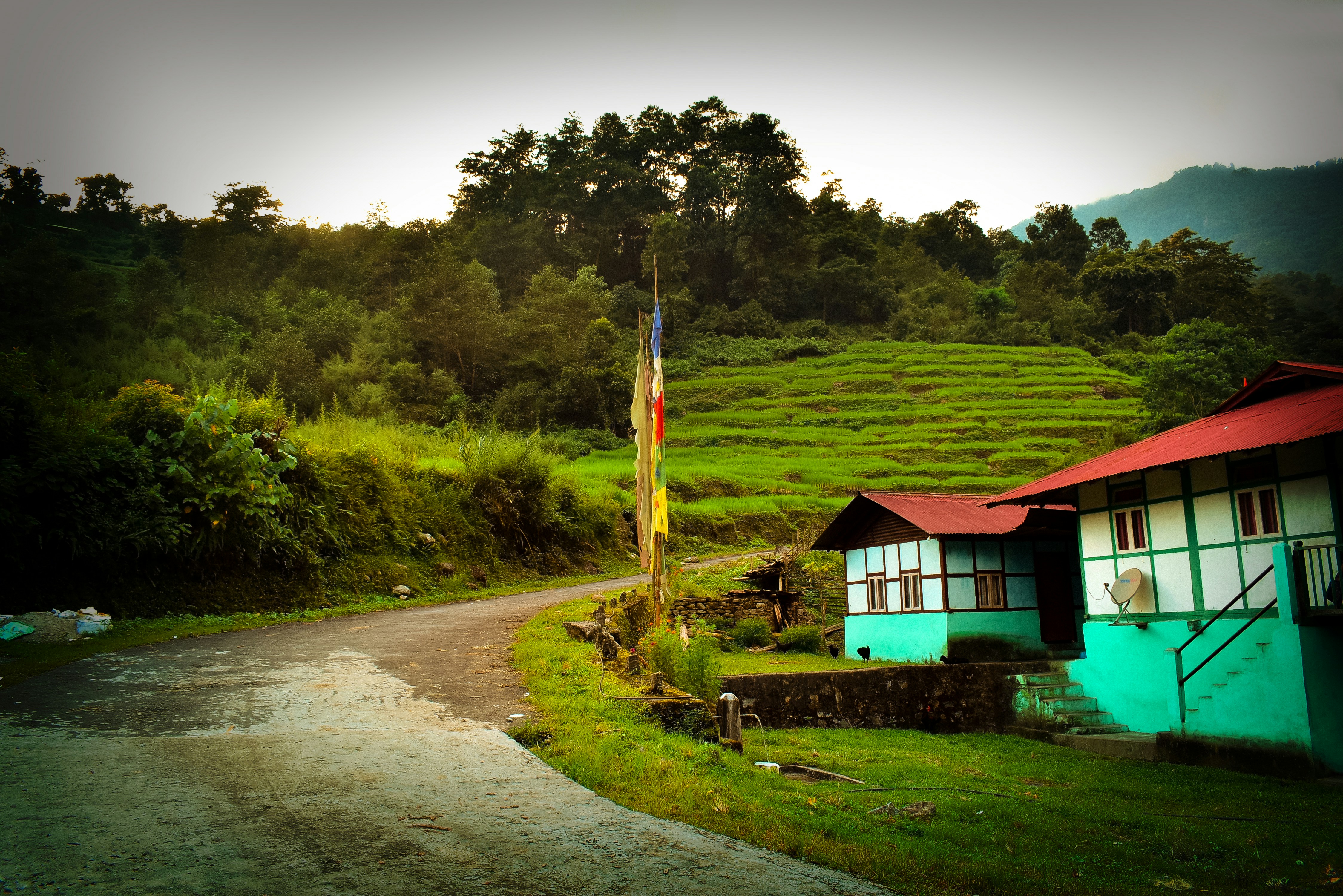
Introduction
The Shungchu River (Xiongqu) (隆子雄曲) is a significant waterway flowing through Lhünzê County (ལྷུན་རྩེ་རྫོང་།, 隆子县) in Shannan Prefecture, Tibet. Also known as Niexiongqu, its name translates to “The river from atop Mountain.” Originating west of the Lhünzê county seat, it travels eastward, bends southward to merge with the Jiayu River, and eventually joins the Xibaxiaqu River. This river is not only a crucial natural resource but also an integral part of the region’s cultural and economic landscape.
Geographic and Ecological Features
The Shungchu River traverses diverse landscapes, from wide river valleys to deep gorges. Its upper and middle reaches lie at elevations between 3,900 and 4,300 meters, characterized by broad riverbeds, rolling hills, and lush pastures, including the Sangzotang, Lagong, and Maimujiangdong grasslands. In contrast, its lower reaches cut through rugged mountain gorges at altitudes of 3,000 to 3,600 meters, creating striking V-shaped valleys with steep terrain.
The river basin boasts abundant water resources that nourish extensive farmlands and verdant pastures. These conditions make the valley an agricultural and pastoral hub, supporting both traditional Tibetan farming and livestock practices.
Economic and Agricultural Importance
Livestock Farming
The fertile valley sustains the grazing of Tibetan yaks, yellow cattle, and Tibetan sheep, playing a vital role in the region’s economy and nomadic lifestyle. The rich pastures provide ample nourishment, ensuring high-quality dairy and meat production.
Agricultural Production
Thanks to its favorable climate and fertile soil, the river valley is one of the most important agricultural areas in Shannan Prefecture. Farmers cultivate staple crops such as barley, wheat, and rapeseed, contributing to local food security and economic stability.
Aquatic Resources
The river is home to the Schizothorax fish, a native species of the Tibetan Plateau, adding to the region’s rich biodiversity and offering potential for sustainable fisheries.
Hydrological Significance
As the primary water system in Lhünzê County, all local rivers belong to the Shungchu River basin. The main tributaries include Sechu, Lochu, and Yumai Chu, along with 41 smaller streams that flow continuously through the high-altitude gorges. Five of these tributaries have catchment areas exceeding 100 square kilometers.
The Shungchu River is an upper tributary of the Xibaxiaqu River, originating from the Zhenbuzha Mountains in eastern Cuomei County at an elevation of 5,200 meters. It flows northeastward toward Rangzong, then turns southeast, receiving the Langmai Chu before heading eastward past Lhünzê and Lerong. It then makes a sharp turn southward toward Jiayu Township, where it is renamed the Jiayu River. After merging with the Luochu tributary, it becomes the Xibaxiaqu River.
The river’s hydrology is shaped by the influence of the South Asian monsoon, leading to substantial precipitation. The average annual discharge reaches 1,350 cubic meters per second, with an annual runoff of 42.4 billion cubic meters. Due to its steep gradient, the total elevation drop along the river’s course is 5,090 meters, with an average slope of 13‰, offering significant hydroelectric potential estimated at 10.46 million kilowatts.
Cultural and Historical Importance
Beyond its ecological and economic value, the Shungchu River holds immense cultural significance for Tibetan communities. The river nourishes not only the land but also the spiritual heritage of the region, with numerous Tibetan monasteries and traditional settlements thriving along its banks.
Lhünzê County itself is steeped in history, with connections to legendary Tibetan figures such as Thonmi Sambhota, the creator of the Tibetan script, and Lu Dongzan, an influential minister of the Tibetan Empire. The region also features ancient fortress ruins, unique monastery architecture, and deeply rooted Tibetan traditions.
Why Visit the Shungchu River Valley?
- Breathtaking Landscapes: Snow-capped peaks, verdant meadows, and traditional Tibetan villages create a picturesque setting.
- Authentic Tibetan Pastoral Life: Visitors can experience the nomadic traditions that have shaped Tibetan culture for centuries.
- Ecological and Biodiversity Hotspot: The valley is home to diverse wildlife, pristine grasslands, and rare aquatic species, making it a paradise for nature lovers and ecotourists.
- Rich Cultural Heritage: The region’s historical sites, monasteries, and ancient Tibetan traditions offer deep cultural insights.
- Agricultural and Livestock Exploration: Discover the traditional farming techniques and nomadic lifestyles that sustain Tibetan communities.
Conclusion
The Shungchu (Xiongqu) River in Lhünzê is far more than a mere waterway; it is a lifeline for agriculture, ecology, and Tibetan heritage. From its vital role in supporting farming and livestock to its breathtaking landscapes and deep cultural connections, this river remains one of Southern Tibet’s most essential natural treasures. Whether for its historical significance, ecological richness, or scenic beauty, the Shungchu River Valley is a must-visit destination for travelers exploring Tibet’s hidden gems.


