
 phurbutsering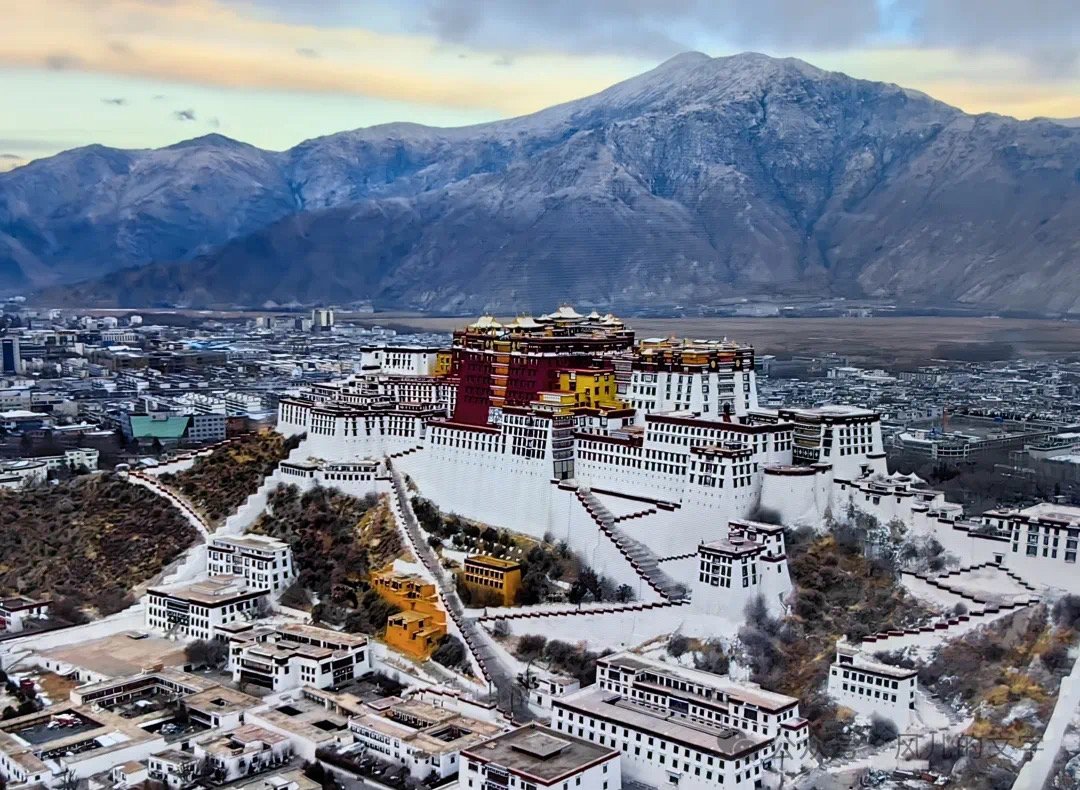
Potala Palace: A Glimpse into Tibetan History
The Potala Palace, perched majestically on Marpo Ri hill, is an emblematic symbol of Tibetan culture and identity, attracting visitors from all corners of the globe. This architectural marvel served as the winter residence of the Dalai Lamas for several centuries and has become a prominent highlight in Lhasa, reflecting the rich history of the region. The palace’s design showcases the unique coexistence of Tibetan architectural styles and Buddhist spiritual elements, characterized by its distinctive white-and-red buildings, which rise dramatically against the backdrop of the Lhasa skyline.
Constructed during the reign of the Fifth Dalai Lama in the 17th century, the Potala Palace is a UNESCO World Heritage Site that houses over a thousand rooms, each steeped in historical significance. Among its treasures are the intricately designed golden stupas, which contain the remains of past Dalai Lamas, and numerous chapels adorned with exquisite thangkas and murals depicting Buddhist teachings. Visitors can wander through its vast corridors, immersing themselves in the serene atmosphere that resonates with centuries of spiritual devotion.
This monumental structure not only serves as an architectural wonder but also as a testament to the resilience and continuity of Tibetan culture despite centuries of political upheaval. The visit to Potala Palace is essential for anyone seeking an in-depth understanding of Tibetan history and the profound spiritual depth that this region embodies. As you ascend the steps of the palace, one can feel the echoes of history, spirituality, and tradition that have shaped Tibet’s past and continue to influence its present. Thus, Potala Palace stands not just as a historical site but as a living, breathing monument to Tibetan heritage.
Jokhang Temple: The Heart of Tibetan Spirituality
Jokhang Temple stands as a testament to the rich spiritual and cultural heritage of Tibet, often regarded as the holiest site within this deeply religious region. Established in the 7th century during the reign of King Songtsen Gampo, the temple has become a focal point for both spiritual seekers and tourists alike. Situated in the bustling Barkhor Square, this revered site attracts thousands of pilgrims who converge to pay homage throughout the year.
At the core of Jokhang Temple lies the statue of Jowo Shakyamuni Buddha, which is believed to have been made during the lifetime of the Buddha himself. This statue is not just an artistic masterpiece, but also a profound source of spiritual inspiration for devotees who come from all corners of the Tibetan plateau. The aura surrounding the statue draws visitors into a contemplative state, making it an integral part of their sacred experience. The reverence for the Jowo is palpable; many pilgrims prostrate themselves before it, reflecting their deep devotion and commitment to their faith.
The architectural grandeur of Jokhang Temple complements its spiritual significance. The structure showcases a blend of Indian, Nepali, and Chinese influences, which is characteristic of Tibetan Buddhist architecture. The intricate carvings, vivid murals, and prayer flags fluttering in the wind create an inviting yet reverent atmosphere. The temple complex is adorned with various chapels and shrines, each dedicated to different deities, further enriching the spiritual ambiance and allowing visitors to engage with Tibetan Buddhism’s intricate rituals.
Given its historical importance, aesthetic value, and spiritual essence, Jokhang Temple is an essential stop for anyone exploring Lhasa. As visitors immerse themselves in the atmosphere, they gain profound insights into Tibetan culture and the enduring legacy of its spiritual traditions.
Barkhor Street: A Fusion of Faith and Commerce
Barkhor Street embodies the vibrant spirit of Lhasa, offering a unique fusion of spirituality and commerce. As a circular marketplace that surrounds the revered Jokhang Temple, this bustling thoroughfare attracts both pilgrims and tourists alike. The significance of Barkhor Street lies in its role as a kora path—a sacred route for the devout to circumambulate the temple, which holds immense religious value in Tibetan Buddhism. Pilgrims often walk this path, turning their prayer wheels and reciting mantras, thus enriching the atmosphere with a profound sense of devotion.
The marketplace is lined with an intriguing array of shops that offer a variety of traditional Tibetan crafts and religious artifacts. Visitors can find exquisite thangkas, which are meticulously painted or embroidered images depicting Buddhist deities, tales, and mandalas. Additionally, prayer wheels—symbolic devices used in prayer rituals—are available in various sizes, reflecting the craftsmanship and spiritual significance of these items. Furthermore, the presence of turquoise jewelry displays the rich cultural heritage of the region, as these pieces are often believed to possess protective qualities.
Shopping in Barkhor Street can be both a rewarding and culturally enriching experience. As you navigate through this vibrant marketplace, it is advisable to engage in friendly bargaining, which is a common practice and adds to the thrill of the shopping experience. Interacting with local artisans can provide deeper insights into the cultural context of the items on display. Travelers should also take the time to explore the adjacent side streets, where lesser-known shops may offer unique handcrafted treasures. Barkhor Street is not merely a shopping destination; it is a microcosm of Tibetan culture, spirituality, and artistry, making it an indispensable stop for those visiting Lhasa.
Norbulingka: Summer Palace of the Dalai Lamas
Norbulingka, often referred to as the Summer Palace of the Dalai Lamas, stands as an iconic testament to the cultural and historical significance of Lhasa. Designated a UNESCO World Heritage Site, Norbulingka is not merely a palace; it epitomizes the serene lifestyle and intricate artistry of Tibetan royal life. This expansive complex boasts lush gardens, which span over 36 acres, offering a remarkable retreat amidst the hustle and bustle inherent to city life. The meticulously maintained flora against the backdrop of the majestic Tibetan landscape provides a peaceful ambiance for visitors.
The palace itself features a series of traditional Tibetan buildings, each adorned with captivating murals that vividly depict aspects of Tibetan culture, religion, and history. These murals not only serve as decorative elements but also as significant narratives, capturing pivotal moments from the life of the Dalai Lamas who once inhabited this sacred place. As one meanders through the intricately designed halls and rooms, the essence of Tibetan Buddhism and its harmonious existence with nature becomes palpable. Visitors are encouraged to take their time, absorbing the art and architecture, as they reflect on the rich narratives embedded within the walls.
One of the highlights of Norbulingka is its garden, which showcases a variety of flora that blooms vibrantly during the summer months. This garden serves as an ideal space for relaxation, allowing visitors to appreciate the tranquil environment while contemplating the historical weight of the site. The serenity offered by the gardens makes it apparent why Norbulingka has remained a favored location for the Dalai Lamas for centuries. In essence, Norbulingka is a vital piece of Lhasa’s heritage, inviting all who visit to engage with its beauty, history, and serene surroundings.
Sera Monastery: The Great Debate
Sera Monastery, situated approximately 5 kilometers north of Lhasa, stands out as one of the renowned ‘great three’ Gelug monasteries alongside Drepung and Ganden. Established in the early 15th century, it has long been a bastion of Tibetan Buddhist learning and culture. One of the most captivating aspects of Sera Monastery is the vibrant display of monk debates that take place within its walls, providing visitors with a unique insight into Tibetan intellectual traditions and practices.
The monk debates occur daily from 2 PM to 5 PM, drawing not only the monks but also many tourists and locals who are curious to witness this rich cultural phenomenon. The lively debates are centered around various Buddhist philosophical topics, and they are conducted in a dynamic manner, where monks engage in spirited discussions, often accompanied by expressive gestures and claps to emphasize points. This interactive form of discourse serves not only as a learning tool for the monks but also as an intriguing spectacle for those observing.
Drepung Monastery: The Largest Monastic University
Drepung Monastery, located a few kilometers southwest of Lhasa, is renowned for its historical significance as one of the most important monastic universities in Tibetan Buddhism. Established in 1416, Drepung was once the largest monastery in the world, boasting a remarkable population of approximately 10,000 monks at its peak. This impressive institution played a crucial role in the spiritual and educational development of Tibetan Buddhism, producing many influential scholars and religious leaders.
The monastery is strategically perched on the hillside of the Ganpoi Utsang mountain range, providing visitors with breathtaking panoramic views of the surrounding landscape. As one approaches the monastery, the majestic sight of its sprawling white buildings, adorned with traditional Tibetan architectural features, draws in numerous pilgrims and tourists alike. The tranquil atmosphere of Drepung offers a unique opportunity for visitors to immerse themselves in the serene ambiance that has been preserved over centuries.
Historically, Drepung was divided into several colleges, each specializing in different aspects of Buddhist philosophy and practice. The rigorous curriculum encompassed extensive studies in logic, arts, and scriptures, making it an essential center for learning in pre-1959 Tibet. The monastery served not only as a religious sanctuary but also as a powerhouse of intellectual discourse, shaping the future of Tibetan Buddhism.
In addition to its educational legacy, Drepung Monastery is the site of various important rituals and ceremonies, which continue to attract devotees and scholars who seek to connect with the spiritual heritage of Tibetan culture. The numerous chapels and stupas within the complex host invaluable relics and sacred texts that reflect the depth and richness of Tibetan Buddhism. Therefore, a visit to Drepung Monastery is a profound journey into the heart of Tibet’s religious and educational history, making it an unmissable destination for those fascinated by the legacies of Tibetan monasteries.
Tibet Museum: A Cultural Journey
The Tibet Museum stands as a modern testament to the rich cultural tapestry of Tibetan heritage. Located in Lhasa, this contemporary cultural hub provides an engaging exploration of the art, culture, and history that define Tibet. Upon entering, visitors are greeted by a striking architectural design that embodies the spirit of Tibetan aesthetics, setting the stage for an unforgettable journey into the region’s past.
One of the highlights of the Tibet Museum is its extensive collection of thangka paintings, which are intricate, detailed artworks portraying Buddhist deities and scriptures. These vibrant pieces not only showcase the skill of Tibetan artists but also offer insights into the spiritual beliefs and practices that have shaped Tibetan culture over centuries. The museum’s thangka exhibition is complemented by informative displays that guide visitors through the historical significance of each painting, promoting a deeper understanding of this unique artistic tradition.
In addition to thangka art, the museum houses an impressive array of ancient Tibetan scripts that illustrate the linguistic evolution of the region. These scripts are crucial for understanding the development of Tibetan literature and philosophy, offering a glimpse into the thoughts and beliefs of past generations. Furthermore, the museum features archaeological finds, including artifacts that reveal the daily lives and customs of Tibetans throughout history. This diverse range of exhibits is instrumental in contextualizing Tibet’s past and its cultural evolution.
For those keen on understanding Tibet’s cultural heritage, the Tibet Museum serves as a vital venue for exploration. Each exhibition is curated to educate visitors on the significance of its collections, making it an indispensable stop for anyone seeking to enrich their knowledge of Tibetan art and history during their visit to Lhasa.
Travel Tips: Getting Around Lhasa
Navigating Lhasa, the capital of Tibet, can be both an exciting and challenging experience for travelers. With its unique cultural landscape and high altitude, it is essential to plan your journey thoroughly. One of the most effective ways to get around the city is by utilizing local transportation options, which include taxis, buses, and even bicycles for the more adventurous. Taxis are widely available and reasonably priced, providing a hassle-free means to reach various attractions. For travelers looking to immerse themselves in the local atmosphere, using public buses is a suitable alternative, albeit with considerations of language barriers, as most signage is in Tibetan and Chinese.
When planning your visits to major sites like the Potala Palace or Jokhang Temple, timing is crucial. Early mornings are often less crowded, allowing for a more peaceful exploration of these spiritual sites. Additionally, consider visiting during the shoulder seasons, such as late spring or early autumn, when the weather is generally mild and the tourist crowds are thinner. This ensures a more enjoyable experience, as it allows travelers to appreciate the serenity and beauty of the surroundings without feeling rushed.
Acclimatization is vital for a successful visit to Lhasa due to its high altitude of over 3,600 meters (11,800 feet). It is advisable to spend the first couple of days adjusting to the altitude; take it easy and avoid strenuous activities during this period. Staying hydrated and considering some basic over-the-counter medications for altitude sickness can also be beneficial. Furthermore, showing respect for the local culture is essential. When visiting monasteries and other significant sites, be mindful of dress codes and always ask permission before taking photographs of individuals or sacred areas. These practices will foster positive interactions with the locals and enhance your overall experience in Lhasa.
Conclusion: Embracing the Spirit of Lhasa
As we reflect on the remarkable sites and experiences that Lhasa offers, it becomes evident that this city is far more than just a destination. Each attraction visited—be it the spiritual majesty of the Potala Palace, the serene ambiance of Jokhang Temple, or the vibrant atmosphere of Barkhor Street—serves as a testament to Lhasa’s rich cultural tapestry and historical depth. Together, these components weave an intricate narrative that showcases the city’s unique identity, deeply rooted in Tibetan spirituality and tradition.
Visitors to Lhasa often find themselves captivated by the profound sense of history that envelops its streets, where centuries-old customs coexist with the vibrant rhythms of modern life. The sacred practices observed in local monasteries, the artistry displayed in traditional crafts, and the communal spirit seen during festivals all contribute to cultivating a deep appreciation for the Tibetan way of life. It is this striking juxtaposition of historical significance and cultural vibrancy that makes Lhasa a truly compelling place to explore.
To fully embrace the spirit of Lhasa, travelers are encouraged to approach their visit with open hearts and minds. Engaging with the local community, participating in traditional festivals, and appreciating the sacred narratives interwoven throughout the city enrich the travel experience. Furthermore, recognizing the importance of preserving Lhasa’s cultural heritage ensures that future generations can continue to experience its treasure trove of history and spirit. In Lhasa, one does not merely visit; one participates in a living legacy that is as enlightening as it is transformative.
