1. Historical Background Tibet has a long and rich history. In the early 7th century, Songtsen Gampo, the leader of the Yarlung Valley tribe, unified Tibet and established the Tubo Kingdom. He strengthened ties with the Tang Dynasty through marriage alliances. During the Yuan Dynasty, Tibet was formally incorporated into China’s territory. In the Qing...Read More
Tibet: One of China’s Most Seismically Active Regions Tibet is one of China’s most earthquake-prone regions, second only to Taiwan in seismic activity. The region experiences frequent and strong earthquakes due to its location on the collision boundary between the Indian and Eurasian plates. Historical Seismic Activity Since 1900, Tibet has recorded 642 earthquakes of...Read More
On March 13, 2025, China’s Supreme People’s Procuratorate announced that Wu Yingjie, former Party Secretary of the Tibet Autonomous Region, had been officially charged with bribery. A high-ranking official who spent 47 years shaping Tibet’s political landscape, Wu ultimately fell due to corruption. Prosecutors accused him of abusing his position to accept vast sums of...Read More
Understanding the Regulations Traveling to Tibet from mainland China requires a thorough understanding of specific regulations and permits that apply to this unique region. The first and most crucial requirement is the Tibet Travel Permit, which is necessary for all foreign travelers. This permit is issued by the Tibet Tourism Bureau and is generally obtained...Read More
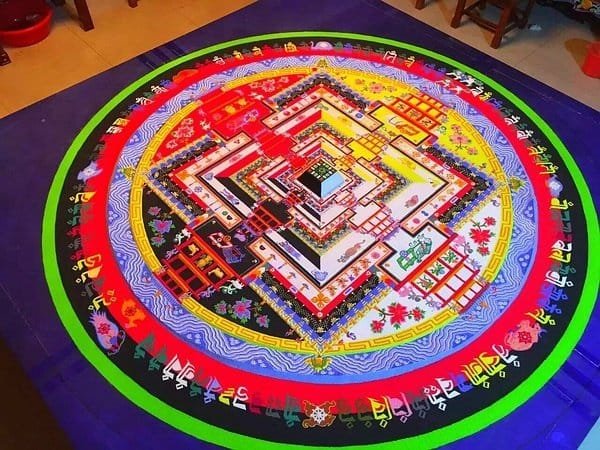
Introduction to Tibetan Sand Mandalas Tibetan sand mandalas are intricate spiritual creations representing a unique artistic tradition deeply embedded in Tibetan Buddhism. Traditionally, monks engage in this elaborate process, utilizing colored sands to craft visually stunning mandalas that possess profound spiritual significance. The term “mandala” originates from the ancient Indian language of Sanskrit, meaning “circle,”...Read More
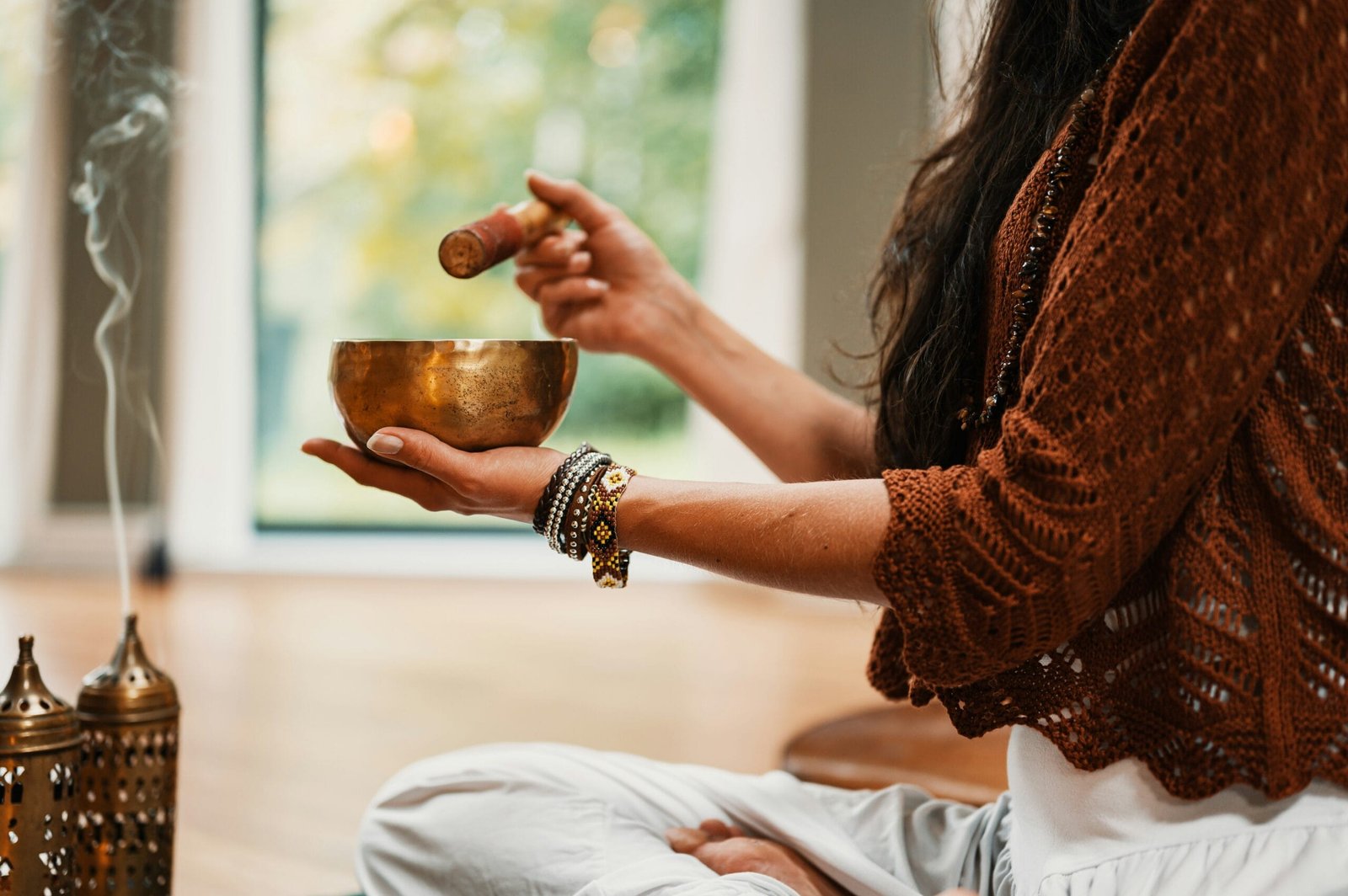
The Unique Aroma of Tibetan Incense Tibetan incense is renowned for its distinct and captivating aroma, which offers a sensory experience unlike any other. This unique fragrance is crafted from a blend of natural ingredients, many of which are sourced from the pristine landscapes of the Himalayas. Notable components such as sandalwood, juniper, and cedar...Read More
Introduction to Tibetan Sacred Lakes The sacred lakes of Tibet hold a prominent place within the rich tapestry of Tibetan culture and spirituality. These lakes are not merely geographical features; they represent deep-rooted beliefs and profound connections to the Tibetan identity. Revered as sacred sites, lakes such as Yamdrok, Namtso, and Mansarovar serve as destinations...Read More
Introduction to Ganden Monastery Nestled in the rugged mountains of Tibet, Ganden Monastery serves as a beacon of spiritual devotion and cultural heritage within Tibetan Buddhism. Founded by the eminent philosopher and scholar, Tsongkhapa, in the early 15th century, this monastic institution plays a critical role in the preservation and dissemination of the Gelug school...Read More
The Significance of Tibetan Tea in Daily Life Tibetan tea holds a profound place in the daily lives of the people living in the region, transcending its basic function as a mere beverage. In Tibetan culture, tea is not only a source of nourishment but also a symbol of hospitality and respect, particularly in social...Read More
The Rock Ogress and the Monkey Ancestor The myth of the rock ogress, known as draksin, and her union with the monkey ancestor holds a significant place in Tibetan mythology, particularly within the context of the Yarlung region. This narrative not only reflects the cultural beliefs of the Tibetan people but also serves as a...Read More