

 phurbutsering
- Blog , Nyingchi Rivers , Tibet Rivers
- March 30, 2025
- 163 views
 phurbutsering
Discovering Xiega Puqu (Shoga Puchu): A Hidden Gem in Tibet’s Ecological and Cultural Landscape
Introduction to Xiega Puqu (Shoga Puchu) River Xuega Puqu, (雪嘎普曲) also known as Xiega River or Xiekaqu, (Shoga Puchu) is a significant river flowing through the Milin region of Tibet,…

- phurbutsering
- Nyingchi Rivers , Tibet Rivers
- March 30, 2025
- 162 views
Tashi Rabten Puchu: A Picturesque Tributary of the Yarlung Tsangpo River
Tashi Raodeng Puchu, meaning “Auspicious and Stable River”, is a significant tributary of the Yarlung Tsangpo River, located west of Milin City in Tibet. This pristine waterway not only adds…

- phurbutsering
- Nyingchi Rivers , Tibet Rivers
- March 30, 2025
- 118 views
Nayu Puchu: The Sacred River of Milin
Nayu Puchu, (纳玉普曲) གནས་ཡུལ་བུ་ཆུ་ also known as Nanyi River (南伊河) or Jiayu Puchu, (加玉普曲) translates to “Sacred Land Stream” in Tibetan. Flowing through Milin City in Tibet, this pristine river…

- phurbutsering
- Chamdo River , Tibet Rivers
- March 30, 2025
- 139 views
Sechu River: A Vital Tributary of the Lancang River in Tibet
The Sechu River, also known as Serchu (གསེར་ཆུ་) or Jinsha, translates to “Golden River.” It is a significant waterway in Chaya County, Tibet, located northwest of the county seat. As…

- phurbutsering
- Blog , Chamdo River , Tibet Rivers
- March 30, 2025
- 102 views
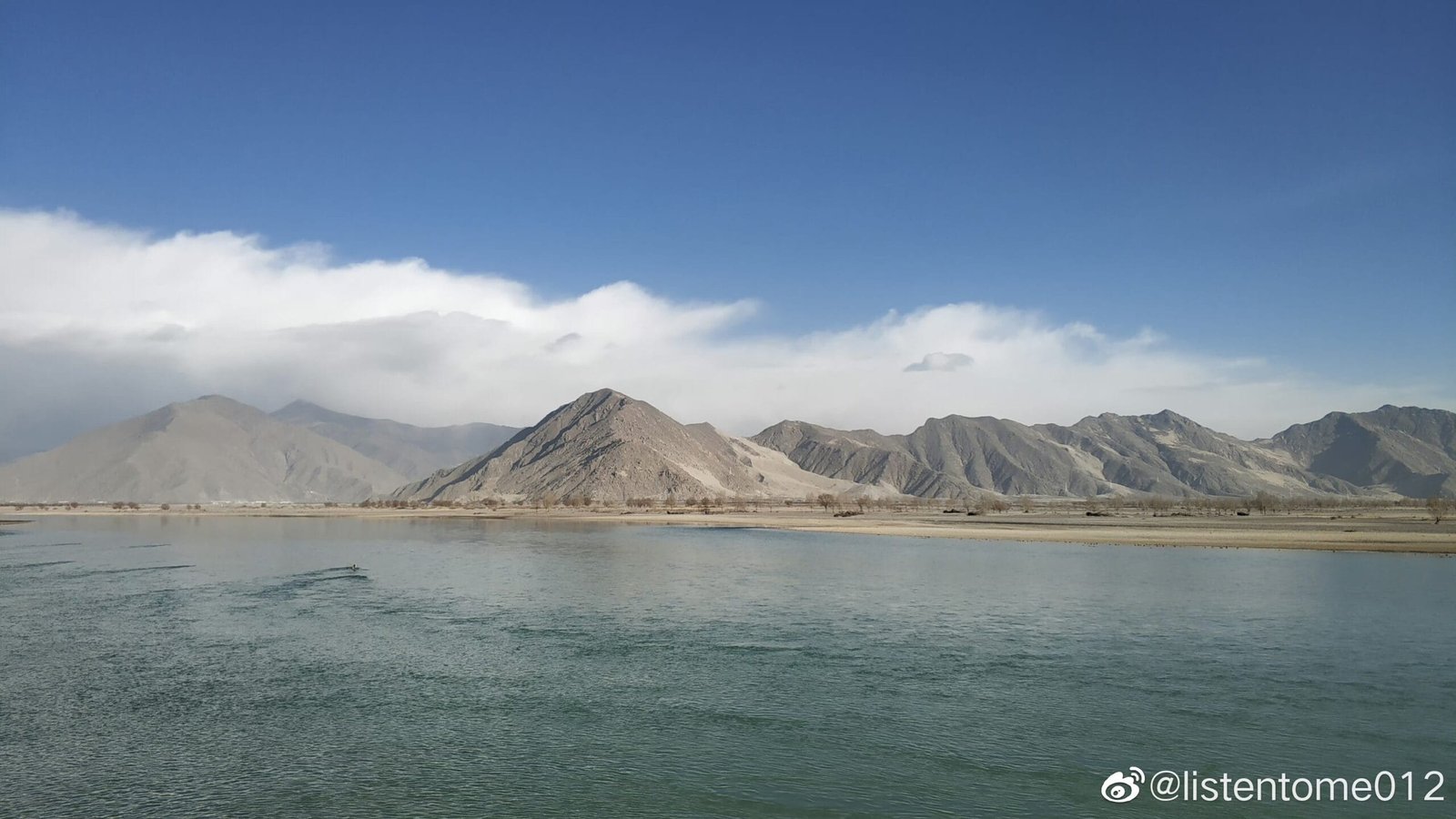
Zi River: The “White Spot on Cow’s Forehead” River in Riwoche County
Introduction to Zi River The Zi chu River (紫曲), also known as “Ziqu” (孜曲) (འཛི་ཆུ ) meaning “The River with a White Spot on the Cow’s Forehead,” is located in…
- phurbutsering
- Chamdo River , Tibet Rivers
- March 29, 2025
- 92 views
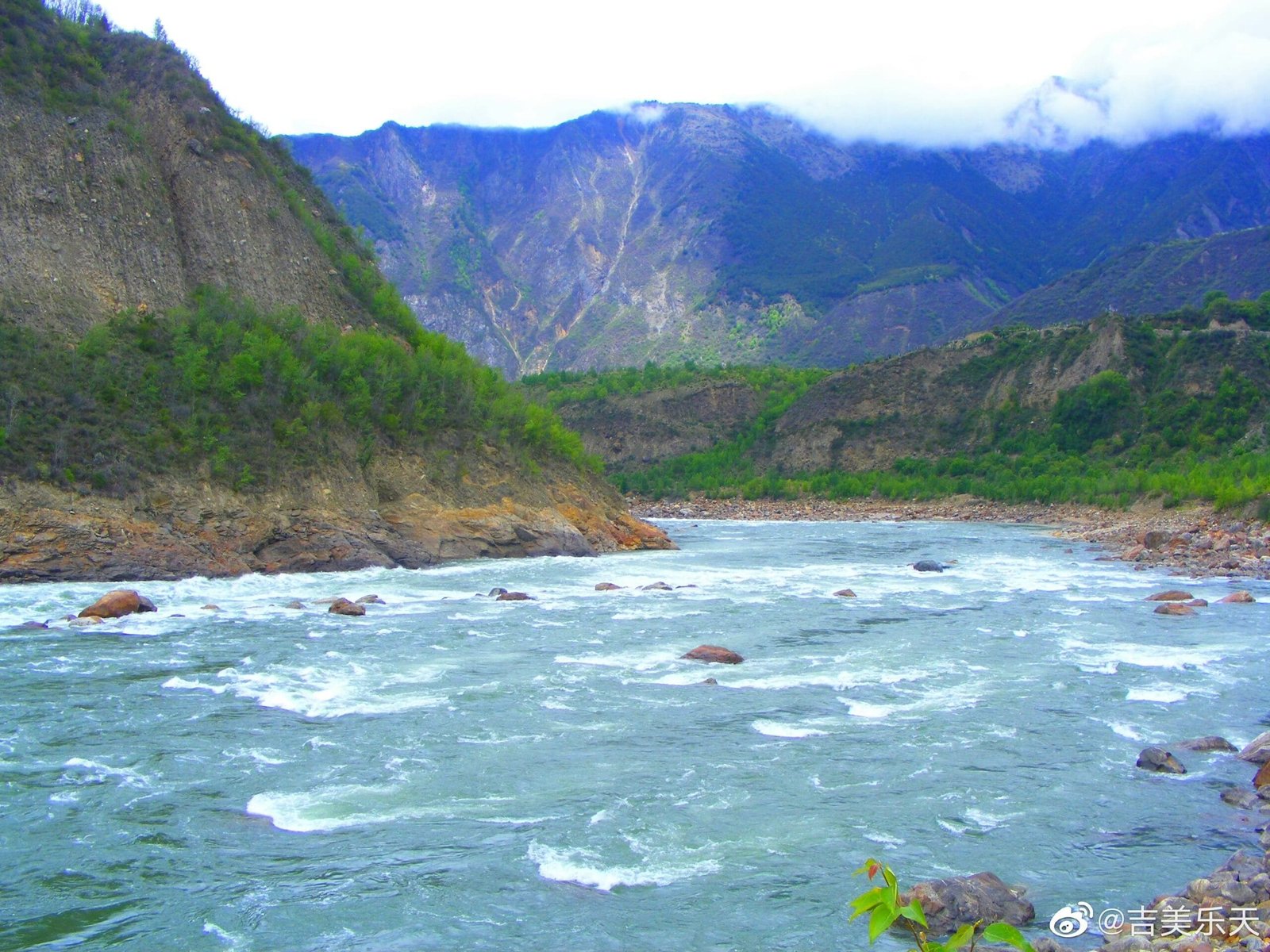
Kechu (Gequ) River in Riwoche County
The Gequ River is one of the key rivers in Riwoche County and is part of the Lancang River (Mekong) water system. Along with the Ziqu and Jiqu Rivers, it…
- phurbutsering
- Chamdo River , Tibet Rivers
- March 28, 2025
- 117 views
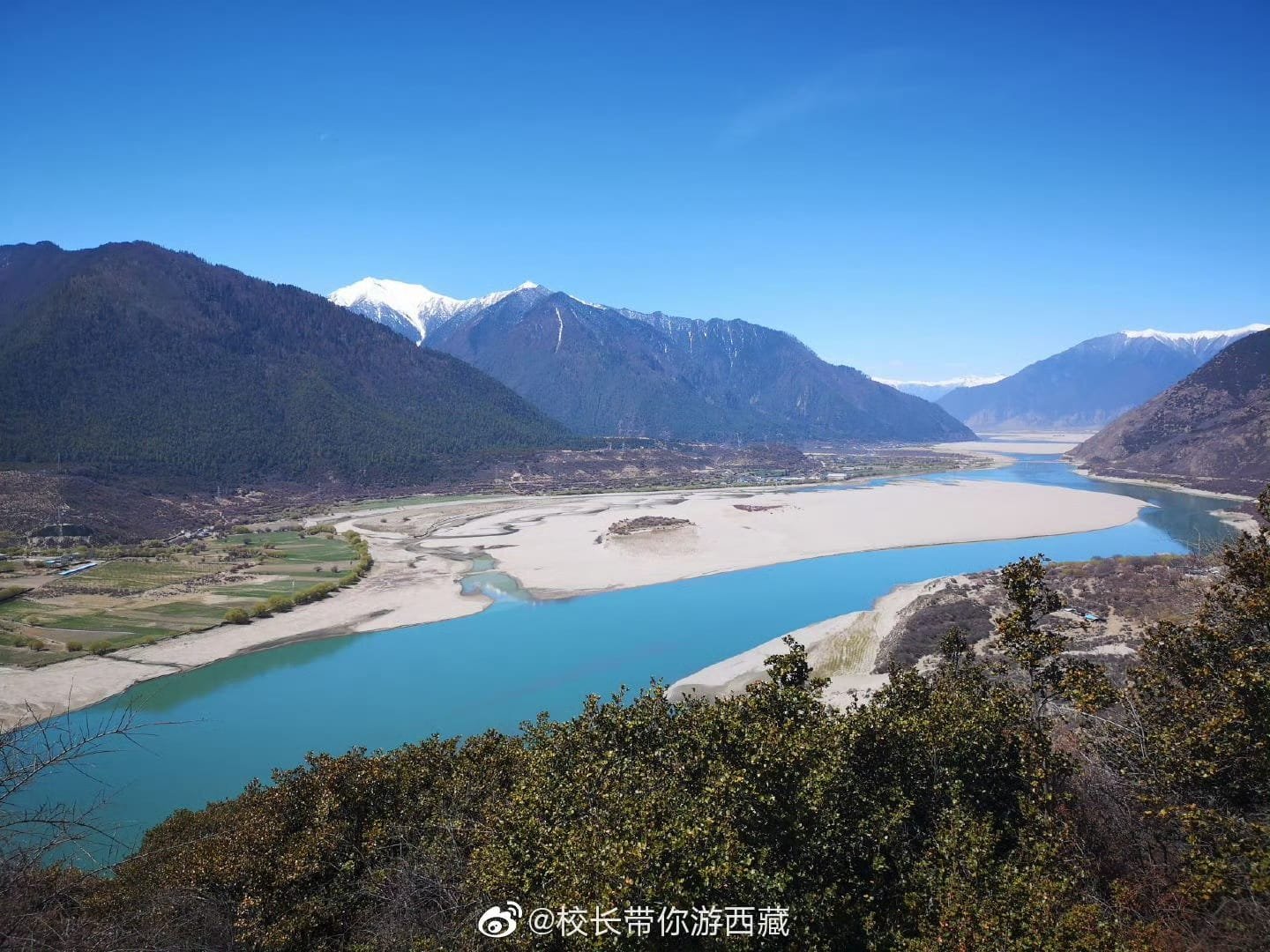
Dolma Nangtso River: A Sacred and Ecologically Vital Waterway in Tibet
The Dolma Nangtso River (卓玛朗措曲), meaning “Mother Tara’s Superior Lake River,” is a sacred waterway flowing through Lhorong County, Tibet, west of the county seat. As a tributary of the…
- phurbutsering
- Chamdo River , Tibet Rivers
- March 28, 2025
- 95 views
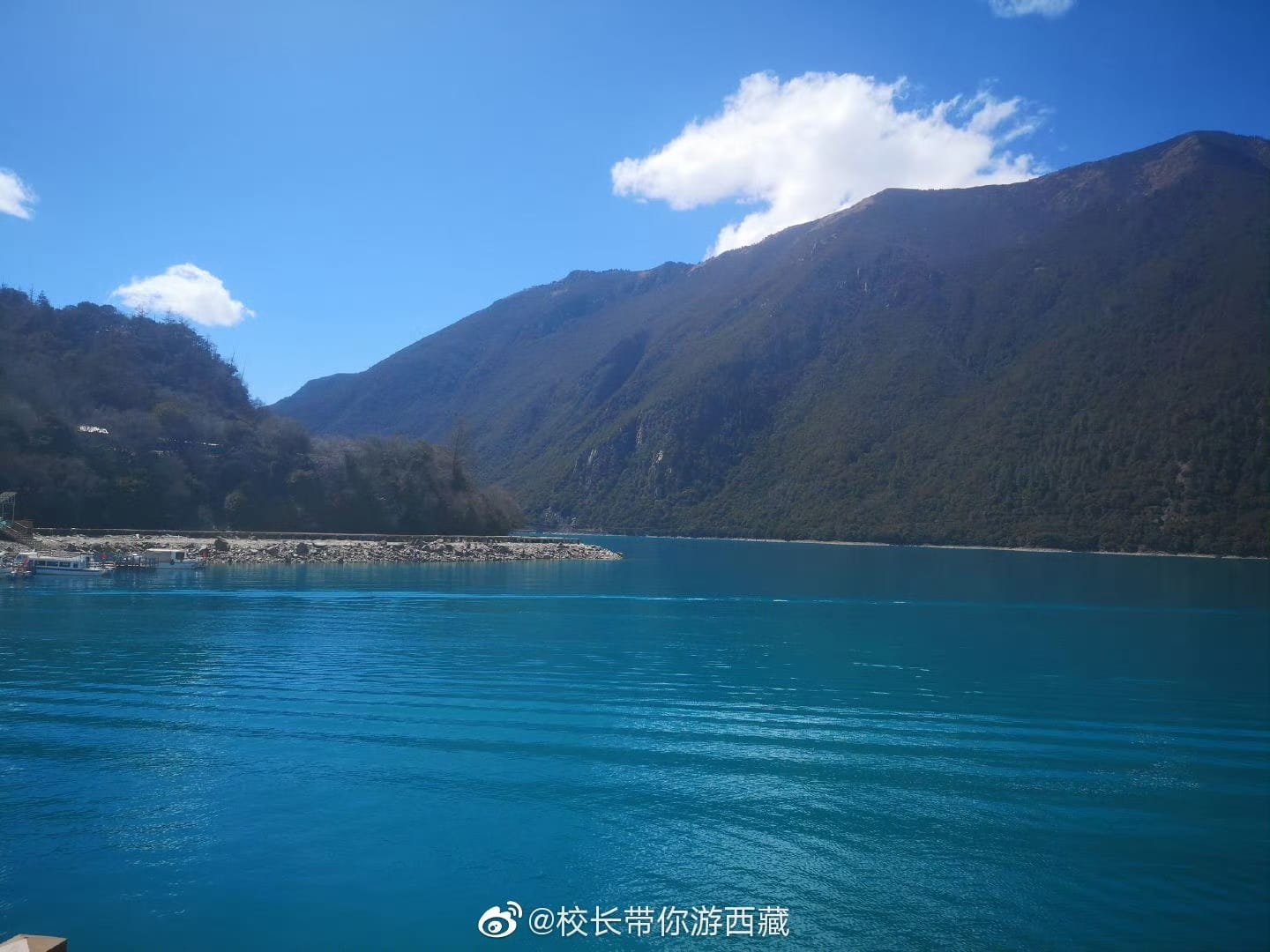
Yangchu River: The “Stone Slab River” of Dingqing
Introduction to Yangchu River: A Lifeline of Tibetan Nomadic Culture The Yangchu River (羊曲), also known as “Yangmu Yong” (羊木涌), meaning “Stone Slab River,” is a crucial waterway originating in…
- phurbutsering
- Chamdo River , Tibet Rivers
- March 28, 2025
- 52 views
Tachu River (Daqu) – The Lifeline of Dingqing, Tibet
Introduction to Tachu River The Tachu River (Daqu, 打曲, རྟ་ཆུ་), also known as the “Horse River,” flows through Dingqing County (丁青县, སྟེང་ཆེན་རྫོང་།) in eastern Tibet, playing a vital role in…
- phurbutsering
- Chamdo River , Tibet Rivers
- March 28, 2025
- 72 views
The Nujiang River: Tibet’s Second Largest Waterway
Introduction to the Nujiang River The Nujiang River (怒江), also known as Gyalmo Ngulchu (རྒྱལ་མོ་རྔུལ་ཆུ།) in Standard Tibetan, is one of the most significant rivers in Tibet and southwestern China.…